


TL;DR
- Negotiation is a Mutually Beneficial Process: It’s defined as a discussion between two or more parties to reach a satisfactory, mutually acceptable agreement, which is essential for decisions like walking away from a deal or accepting it.
- Skill Application Drives Key Outcomes: Negotiation skills are vital for everyone, impacting conflict resolution, allowing entrepreneurs to secure beneficial deals, and driving career advancement through self-advocacy (salary, promotions, projects).
- Thorough Preparation is the Core Differentiator: Success begins with comprehensive research on the issues and parties involved, defining clear goals, and establishing a fallback plan using strategies like MESOs (Multiple Equivalent Simultaneous Offers) and BATNA (Best Alternative to a Negotiated Agreement).
- Confidence and Active Communication are Imperative: Effective negotiators project self-assurance through subject-matter knowledge and the “Four Ps” of vocal tone, while also building trust by maintaining positive non-verbal communication and actively listening to understand the other party’s perspective, often utilising reflective listening.
Have you ever been in a job interview, a sales pitch or an investment deal and felt – How can I improve my negotiation skills? Most of us sit at the negotiation table with absolute determination to get what we want from that negotiation. Still, we often end up accepting the offers of the other party.
From transactions like purchasing a house to raising investment for your company, everything requires good negotiation skills. That is why, today, in this blog, we will discuss the correct course of action and frameworks using which you can master negotiation skills. Let’s begin!
What Are Negotiation Skills?
Before we understand what are negotiation skills, let’s briefly discuss what is negotiation first. Negotiation is a process where two or more parties engage in discussions to reach an agreement acceptable to both sides. The negotiation process can help you decide whether you want to walk away from a deal or accept it.
Negotiation skills, on the other hand, are essential qualities that help you engage in discussions with the other party to reach a mutually acceptable agreement on an issue. Negotiation skills have always been within us – for instance, imagine the period of barter system when there was no education but still everyone used to negotiate on what to trade and how much to trade. We need to recognise these skills within us, nurture them and leverage them in our regular dealings.
Now, one important question: Are negotiation skills relevant for everyone? Do you as an HR or a Manager, need negotiation skills and if yes, why? Keep reading to find the answer.

Why Are Negotiation Skills Important?
If you are a lawyer drafting contracts for your clients, negotiation skills are important for you. If you are an entrepreneur and have to negotiate investments, then negotiation skills are important. If you are someone looking for a good job and specific remuneration, and you want to negotiate your salary, then negotiation is also essential for you.
In simple words, negotiation skills are important for everyone, sometimes in your personal life and sometimes in your professional life. Let’s see why this skill is important.
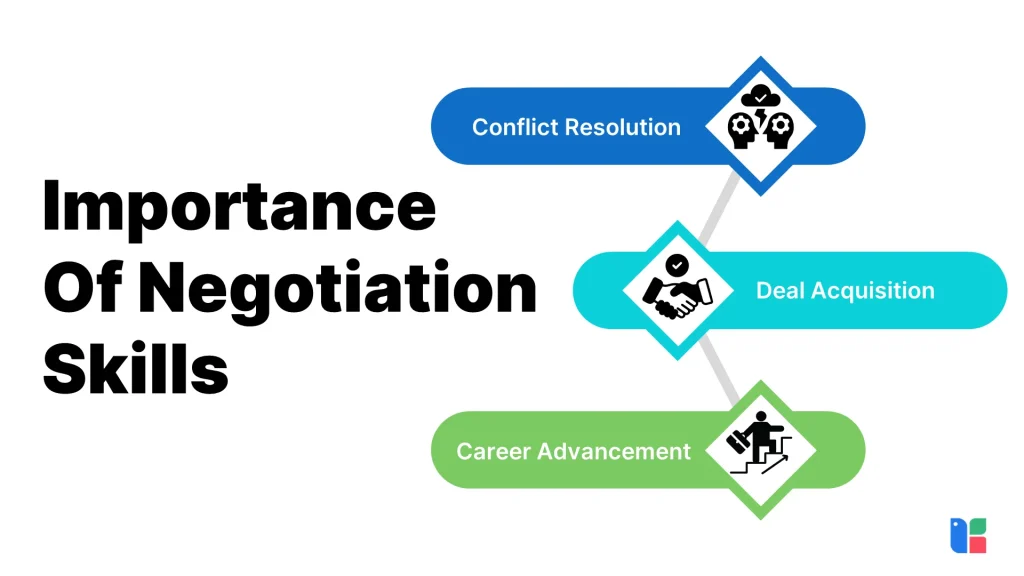
Conflict Resolution
Conflicts are inevitable, both in personal and professional settings. Negotiation skills play a significant role in resolving conflicts amicably. By understanding the underlying issues and working towards common ground, negotiators can transform conflicts into opportunities for collaboration and growth.
Deal Acquisition
Entrepreneurs constantly navigate negotiations with clients, suppliers, and investors to secure creative and beneficial deals. A keen understanding of negotiation dynamics is crucial for entrepreneurs to secure favourable deals, establish partnerships, and navigate business challenges.
Career Advancement
Successful negotiation is not just about securing the best deal but also about growing your career. If you’re negotiating a salary, promotions, or project assignments, the ability to advocate for yourself and your ideas can set you apart from your peers.
We are certain now that negotiation skills are extremely important. So, how do you improve these skills? The next section will discuss the 4 most pivotal ways to improve your negotiation skills. Let’s roll!
The most effective negotiators develop their skills by reflecting on each conversation and applying those lessons to the next one. Discover how Kapable builds this cycle of continuous improvement.
“I knew I had to overcome my fear of being judged on how I speak. Kapable’s sessions helped me organise my thoughts and articulate them clearly. I now confidently present ideas and communicate effectively with my team and external partners, creating a remarkable change in my workplace.”
– Anandi Kapoor (Private Label Head At KW)
How To Improve Negotiation Skills?
Firstly, improving negotiation skills is an ongoing process involving a combination of knowledge, practice, and self-awareness. Here are some key strategies to enhance your negotiation skills:

Prepare Thoroughly
Preparation is the foundation of successful negotiation. Gather as much information as possible about the issues at hand, understand the interests and priorities of the parties involved, and comprehend potential challenges. Clearly define your goals and interests for the negotiation, considering tangible and intangible factors.
For example, In a real estate negotiation, your goal might be to sell a property at a certain price. However, understanding the buyer’s situation in a quick closing or specific property features allows you to tailor your offers to meet both sets of objectives.
One of the most important strategies for thorough preparation is to keep Multiple Equivalent Simultaneous Offers (MESOs). MESO is the process of presenting multiple offers simultaneously rather than a single proposal. This allows you to be more flexible and creative, showcasing different options that meet the interests of both parties. By presenting multiple offers, you demonstrate that you’re willing to explore various solutions and increase the likelihood of finding a win-win solution.
Another significant strategy to effectively negotiate is identifying your BATNA (Best Alternative to a Negotiated Agreement). In simple words, BATNA is the best possible proposal you can offer to the other party if your first negotiation does not result in a satisfactory agreement. Knowing the best alternative to a negotiated agreement before the negotiation commences gives you a lower limit and can help you decide whether to walk away from the deal or accept it. Hence, thorough preparation is extremely important to have an effective negotiation.

Speak Confidently
Confidence is a key attribute of successful negotiators. Believe in your abilities, stay composed, and project confidence during negotiations. Confidence is contagious and can influence the perceptions of the other party. However, it’s essential to strike a balance and avoid coming across as overly aggressive or arrogant, as this can hinder collaboration.
The first step to being confident at anything is to have profound knowledge of the subject matter. So, thoroughly understand the subject matter of the negotiation. If you’re negotiating a business deal, a salary, or a contract, being well-versed in the details instils confidence.
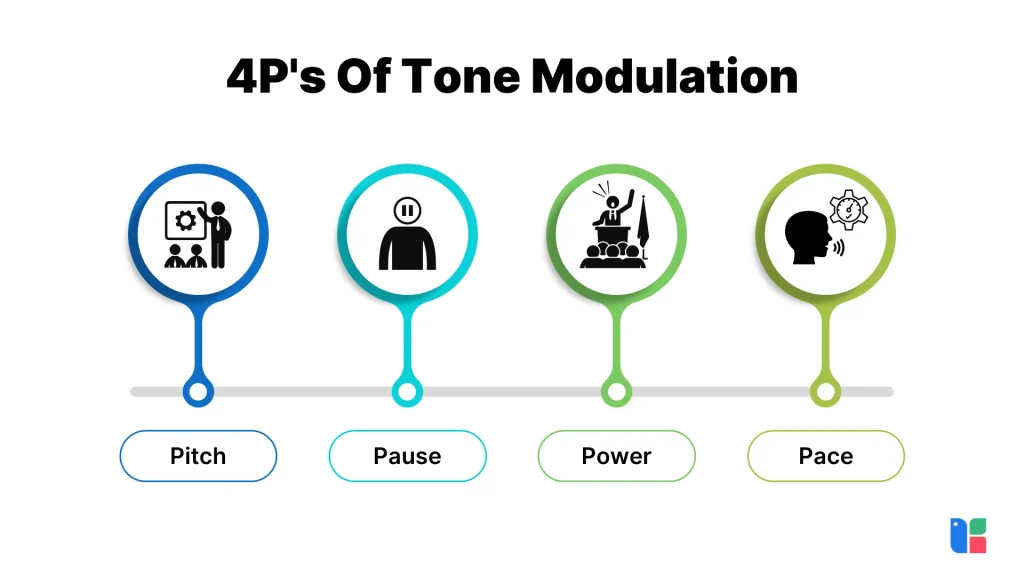
Another important part of displaying confidence at a negotiation table is your tone of voice. For the right vocal tone, remember the Four Ps – power, pace, pause, and pitch. Power relates to the strength and assertiveness in your voice; pace conveys urgency and adds weight to the words. Strategic pauses allow for reflection and emphasise key points, and Pitch influences the rhythm of your speech.
Besides these techniques, there are some simple activities to incorporate in your negotiations to increase your confidence. For example, prepare a vision board for every negotiation, listing what you want to achieve.
Communicate Non-Verbally
Non-verbal communication plays a significant role in negotiation. Pay attention to your body language to ensure it aligns with your verbal messages. Additionally, observe the body language of the other party to gain insights into their feelings and intentions. Maintain eye contact, use open and welcoming gestures, and be mindful of your posture. Effective body language can build trust and rapport, contributing to a positive negotiation atmosphere.
One simple action you can take to work on your body posture is to notice how you sit, stand, and move. Identify any habits or tendencies that contribute to your poor posture. Simple exercises like raising and lowering eyebrows or forming exaggerated smiles can help enhance expressiveness. Engage in activities like yoga or Pilates, focusing on flexibility, balance, and core strength.
Three important body language practices to follow during negotiations are eye contact, right vocal tone and mirroring. The triangle technique is one of the most effective eye contact strategies where you shift your gaze between the left eye, right eye and nose area instead of staring at someone. Lastly, mirroring refers to subconsciously imitating the gestures of the other side, such as crossing arms, leaning forward, or even mirroring the pace of someone’s movements.

Listen Actively
Active listening is a critical component of effective negotiation. Focus on what the other party is saying, and consciously try to understand their perspective. Avoid interrupting and give the speaker your full attention. By listening attentively, you can uncover underlying concerns, identify common ground, and customise your responses to address the needs of both parties.
You can improve your listening skills by practising reflective listening. In reflective listening, you paraphrase and summarise the other party’s statements to demonstrate your commitment to understanding their viewpoint. You can integrate reflective listening with the Socratic method of asking questions to enhance the process of your negotiation.
For example, Let’s say you are negotiating your salary with your prospective employer. Your expectation is somewhere between ₹12 – 15 LPA, but HR offers you a CTC of ₹8 LPA. At this moment, three things are extremely important: asking questions, listening intently to the answers, and making proposals that empathise with HR’s requirements. You begin by paraphrasing the words of the HR, such as, “I understand that the company has a specific budget for human resources and also that the sales are lower”, and then posing a question like, “If I propose an effective sales strategy in the 1st three months, will the company consider revising the CTA?”
Conclusion
Are you ready to improve your negotiation skills? – because the first step is whether you are willing to improve. The frameworks explained in this article are highly effective and have transformed many curious learners around the globe like you. You can implement these strategies in your day-to-day life while bargaining for your purchases, talking to your managers, or in your next job interview. If you feel these frameworks have done their job, negotiation is a skill you can also learn through formal training.
It is said that a successful negotiation also depends on your luck – as to who happens to be sitting across the table from you. It’s time to work on your skills to the extent that it does not matter anymore who sits across from you at the negotiation table.
If improving your negotiation skills is one of your professional priorities, Kapable can help you evaluate whether its learning approach matches the way you want to grow.


