


TL;DR
- Technical Translation Role: It acts as an essential translator in the tech world, converting complicated information into simple, understandable language for both specialists and general users.
- Pillars of Importance: Effective technical communication is crucial for efficient team collaboration, quick problem-solving, building user trust, and fueling continuous organisational learning.
- Forms and Foundational Skills: The practice is delivered through written (manuals, reports), visual (charts, diagrams), and verbal (presentations, training) mediums, requiring core skills like adaptability and empathy.
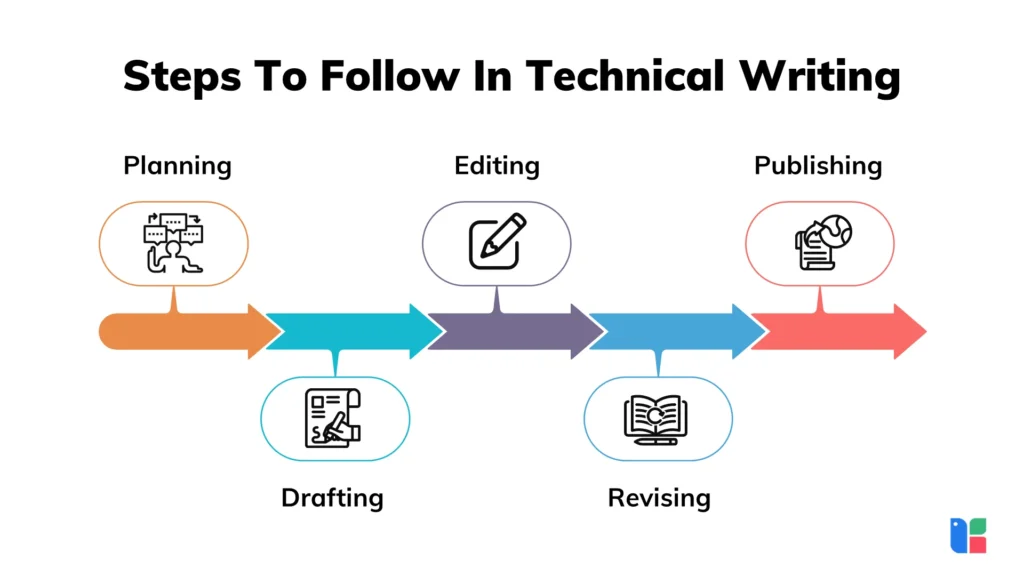
- The Structured Creation Pipeline: Clear technical documentation is achieved through a systematic five-step process: Planning, Drafting, Revising, Editing, and the final step of Publishing the polished content.
In the fast-paced world of technology, where innovation is the driving force, the ability to convey complex information clearly and understandably is a skill that holds paramount importance. Welcome to our exploration of technical communication, a crucial aspect of the tech landscape that often operates behind the scenes yet plays a pivotal role in shaping our understanding of intricate concepts.
In this journey, we’ll unravel the layers of technical communication, from its fundamental definition to the core skills that make it an indispensable tool for professionals across various industries.
So, let’s dive in and discover the nuances of technical communication that make it an art and science in its own right.
What Is Technical Communication?
Think of technical communication as the unsung hero in the world of tech. It’s like a translator that turns complicated tech into simple, understandable language. This skill is super important because it helps everyone, tech experts and regular folks, get a grip on complex information.
So, what does technical communication involve? It’s not just about writing manuals or reports. It also includes using visuals like diagrams and graphs. And it’s not just about writing, speaking clearly in presentations or training sessions is part of it too.
In simple terms, the field of technical communication is all about making complicated things easy to understand. It’s like being a language expert in the world of technology.
“This journey transformed my confidence and communication skills, enabling me to deliver impactful presentations, including a town hall for 500 people and a compelling business pitch to a senior stakeholder. Kapable has been a game-changer in my professional growth.”
– Ajay Deshmukh (Director At JPMorgan Chase)
Why Is Technical Communication Important?
Technical communication is pivotal in various aspects of the tech industry, and its importance cannot be overstated.
Let’s explore why mastering the art of technical communication is a key ingredient for success:
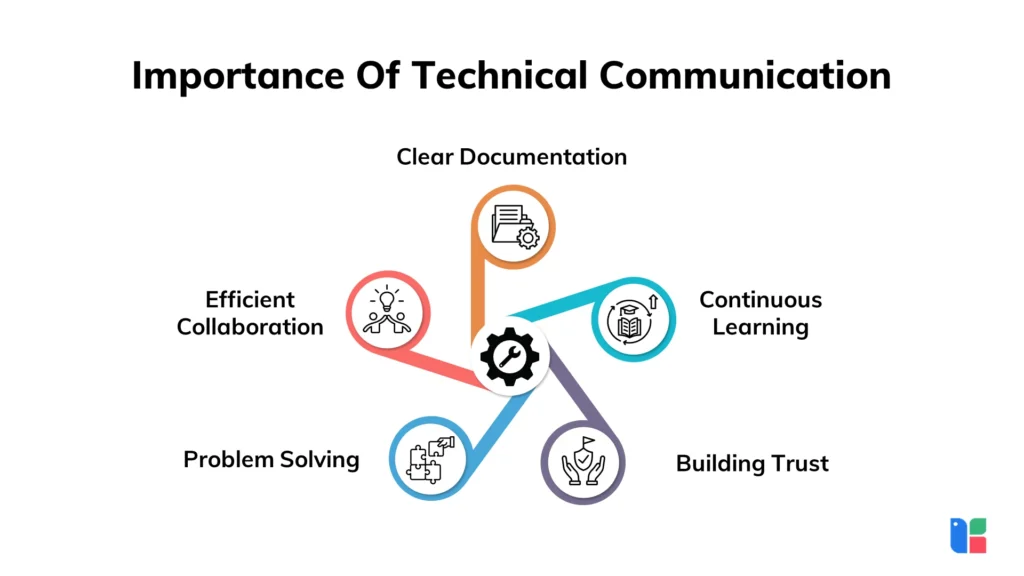
1. Clear Documentation
Clear and concise documentation is the key to empowering users with the knowledge they need to navigate and make the most of technological tools. When users encounter a detailed user manual for a smartphone, they not only gain insights into the device’s features but also find step-by-step instructions for troubleshooting common issues.
This comprehensive documentation transforms users into informed and confident individuals, enhancing their overall experience with the technology.
2. Efficient Collaboration
In the dynamic world of technology, collaboration is often multidisciplinary for technical communicators, involving individuals with diverse expertise. Effective technical communication becomes the glue that binds these teams together. Imagine a software development project where developers, UX designers, and quality assurance teams work collaboratively.
Through clear technical communication, such as detailed specifications and regular progress updates, each team member gains a holistic understanding of the project’s goals and progress, fostering efficient collaboration.
3. Problem-Solving
Technical communication shines as a problem-solving tool, providing users and support teams with the means to identify and resolve issues swiftly. Consider an error message in a software application that comes accompanied by a clear troubleshooting guide. This guide not only diagnoses the problem but also guides users through the resolution process.
By offering a structured approach to problem-solving, technical communication minimises downtime, reduces frustration, and enhances the overall user experience.
4. Building Trust
Trust is the cornerstone of any successful relationship, and transparent communication is the pathway to building that trust. In the tech industry, transparency is often demonstrated through clear and open communication about security measures, data protection, and company practices. For instance, when a technology company openly communicates its security protocols to protect user data, it not only builds trust but also establishes a positive brand perception.
This transparency assures users that their privacy is a priority, fostering loyalty to the brand.
5. Continuous Learning
In a field where technology is ever-evolving, continuous learning is essential for professionals to stay competitive. Technical communication acts as a valuable knowledge repository, offering articles, tutorials, and best practices. Imagine an organisation maintaining a knowledge base filled with resources related to a programming language.
This curated collection supports developers in staying updated on new features, mastering coding practices, and keeping pace with industry trends. Through technical communication, professionals engage in a perpetual cycle of learning, adapting, and innovating in the dynamic tech landscape.
Now that we have understood why technical communication is important, let’s understand how to differentiate between the various types of technical communication.
Explore how Kapable helps you build the clarity, collaboration, and problem-solving communication skills needed to make technical information easier for others to understand.
What Are The Different Types Of Technical Communication?
Technical communication is like a toolkit full of different ways to share information for technical communicators.
Documentation, including manuals, reports, and documentation itself are various forms of technical writing.
Each type has a specific job, making it useful in different situations:
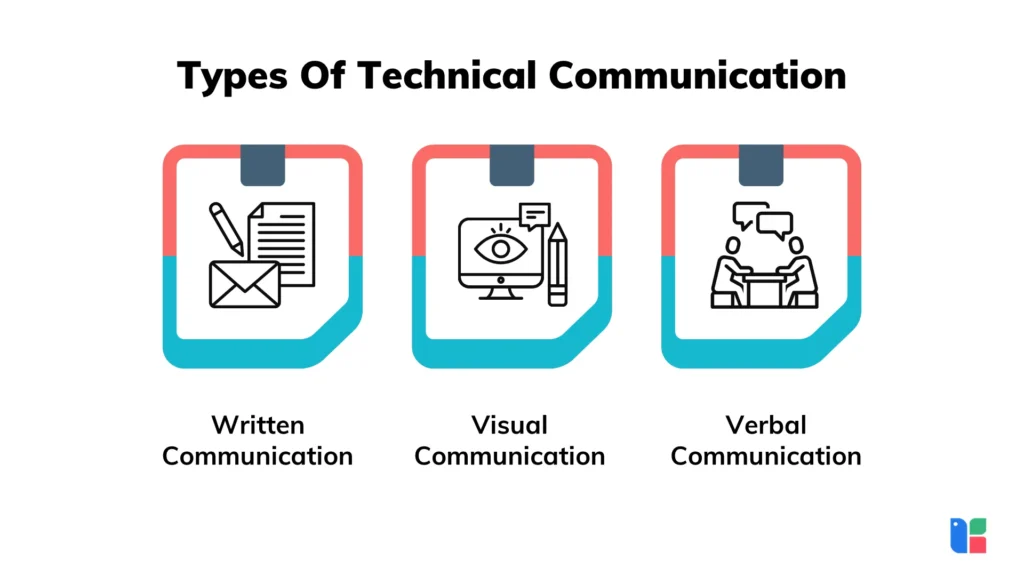
1. Written Communication
In written communication, manuals offer step-by-step guidance, reports present detailed tech narratives, and documentation serves as a comprehensive guide for understanding and troubleshooting tech systems.
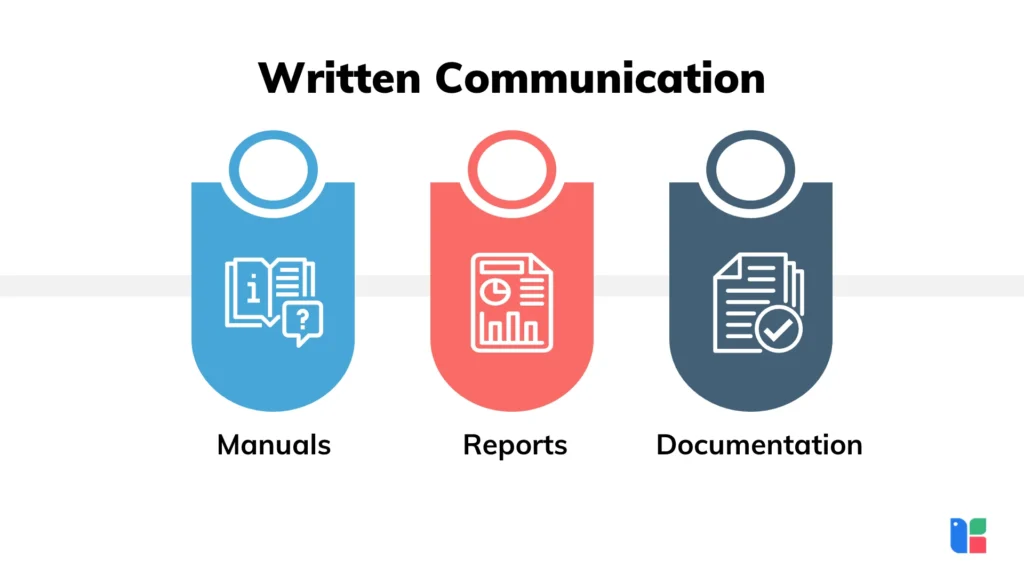
Manuals: These are detailed guides that help you use a new product or system. They give step-by-step instructions and help troubleshoot common issues. For example, the manual that comes with your new smartphone guides you through setup, feature usage, and problem-solving.
Reports: Think of technical reports as stories about the tech world. They tell you about experiments, projects, or research findings in a detailed way. If you conduct a scientific experiment, your detailed report becomes a story that others can read to understand what you did and discovered.
Documentation: This is like keeping a detailed diary for your tech systems. If someone else needs to understand how things work or fix something, documentation is the go-to guide. For instance, keeping detailed documentation for a software system ensures that anyone new to the project can easily understand and contribute.
2. Visual Communication
Visual communication employs diagrams to simplify complexity, charts to transform data into a visual story, and graphs to represent trends and patterns in data.
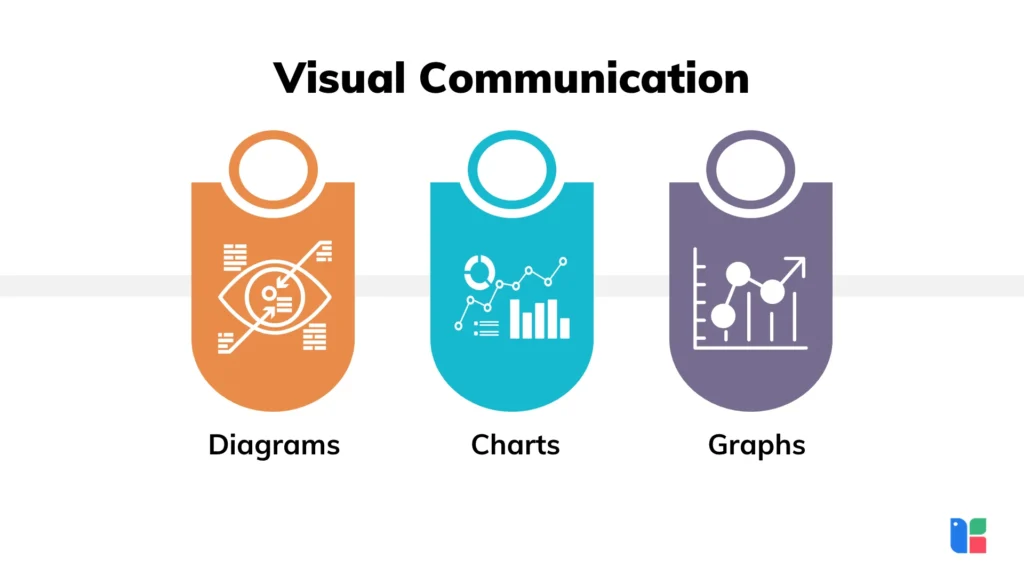
Diagrams: Visuals like diagrams make complex things simple. They show you how things work, like the layout of a network or the parts of a software system. For example, a network diagram in an office acts like a map, making it easy for anyone, even without tech expertise, to understand the setup.
Charts: Suppose you’re analysing sales data for a new product. A chart can turn those numbers into a visual story, making it clear which products are doing well and where improvements are needed. A sales chart might visually represent the performance of different products over time.
Graphs: Picture a graph tracking website visits over a year. It helps you see if there are busy seasons or if changes to the website impact visitor numbers. Graphs provide a visual representation of trends and patterns in data.
3. Verbal Communication
Verbal communication includes presentations that combine slides and words for easy understanding and training sessions that offer hands-on learning experiences.
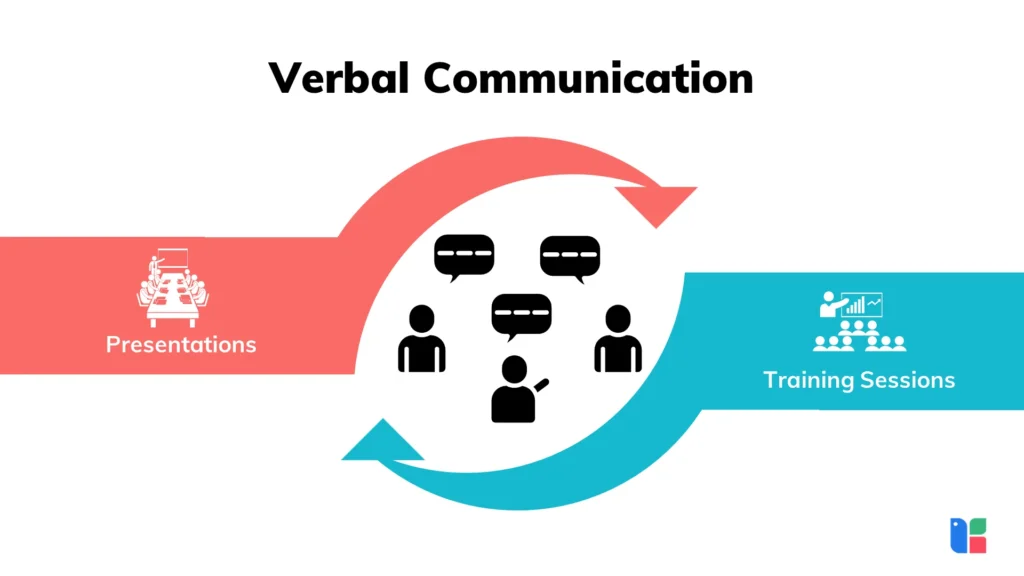
Presentations: These are like talks where slides and words work together. They help explain complex ideas in a way that’s easy to understand. For instance, a tech expert might use a presentation to explain a new software update, using visuals and spoken words to make it accessible to everyone.
Training Sessions: Think of these as learning by doing. They’re hands-on sessions that help you understand technical things better, like coding workshops or system demonstrations. In a coding workshop, instead of just reading about it, you’re guided through writing code hands-on, making the learning experience interactive and practical.
Understanding these different types helps tech professionals choose the right way to share information. It’s like having a variety of tools in your toolbox, and knowing when to use each one is key.

What Are The Core Skills For Technical Communication?
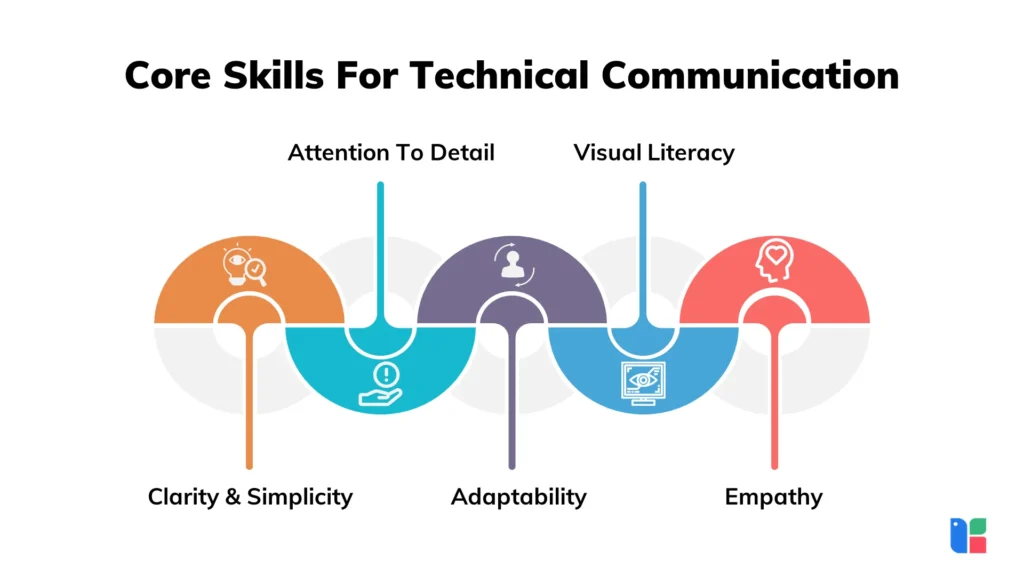
Mastering technical communication requires a set of essential skills that go beyond just knowing the subject matter.
These core skills are the building blocks for effective communication in the tech world:
1. Clarity And Simplicity
Conveying complex information in a clear and simple manner is like being a translator for technology. For technical communicators, it’s about making jargon understandable and ensuring that anyone, regardless of their technical background, can follow along. Whether it’s writing user manuals or crafting software documentation, the goal or task is for the information to be accessible and user-friendly.
2. Attention To Detail
Being meticulous and thorough in presenting information is a must in the tech realm. It’s about leaving no room for confusion or misinterpretation. When creating detailed troubleshooting guides, every possible scenario and solution needs to be considered. It’s the small details that can make a big difference in helping users navigate and understand complex systems.
3. Adaptability
Tailoring communication to suit different audiences is a valuable skill. From explaining intricate technical concepts to a team of experts to breaking down the same concepts for non-tech users, adaptability ensures that your message resonates with everyone. It’s about using the right language and level of detail for a specific audience, fostering understanding across diverse teams.
4. Visual Literacy
The ability to create and interpret visual elements is like adding a universal language to your communication toolkit. Visual aids such as charts, graphs, and diagrams can convey complex ideas quickly and clearly. Designing engaging infographics, for instance, allows you to visually represent information, providing an overview that is not only informative but also visually appealing.
5. Empathy
Understanding the perspective of the audience and anticipating their needs is at the heart of effective technical communication. It’s about putting yourself in the shoes of the end-users and addressing their concerns. Creating user manuals with a focus on common user pain points is an example of how empathy can enhance the user experience, making technical information more approachable and user-centric.

What Steps Should You Follow In Technical Writing?
Technical writing is more than just putting words on paper; it’s a structured process that ensures clarity and effectiveness in communicating complex information.
Here are the key steps that technical writers should keep in mind while they are planning technical writing:
1. Planning
Before starting to write, make a plan. Think of it like deciding where to go on a trip. As the French writer Antoine de Saint-Exupéry wisely said, “A goal without a plan is just a wish.” Understand why you’re writing, jot down the main points, and decide how you want to say things.
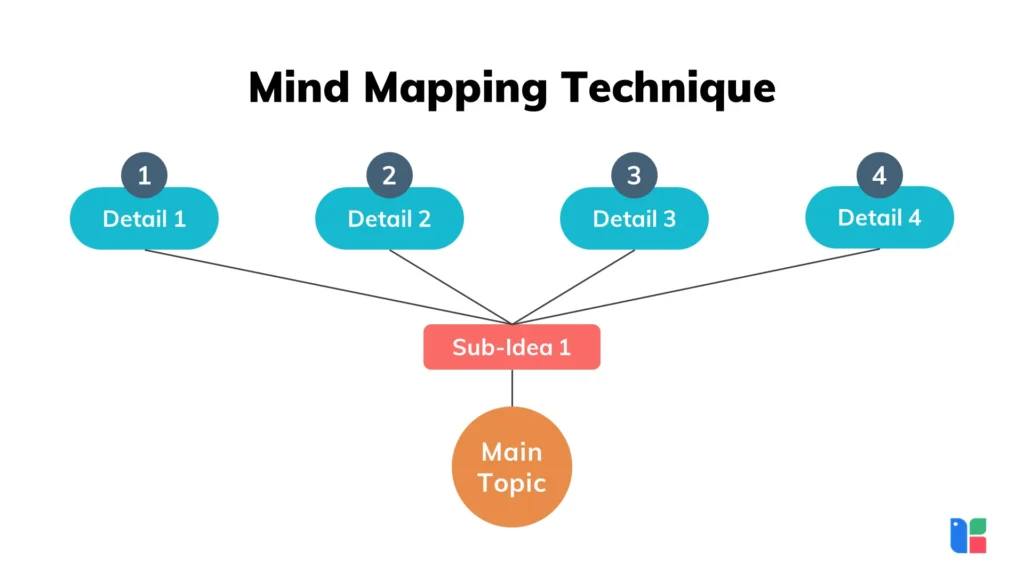
Consider using the Mind Mapping technique, a visual method where you draw connections between ideas, creating a roadmap for your technical content.
2. Drafting
Once you have a plan, it’s time to put words together. This step is like building the frame of a house, one part at a time. As Maya Angelou puts it, “Easy reading is damn hard writing.” The goal is to make the information clear and make sense, just like making a strong base for a building.
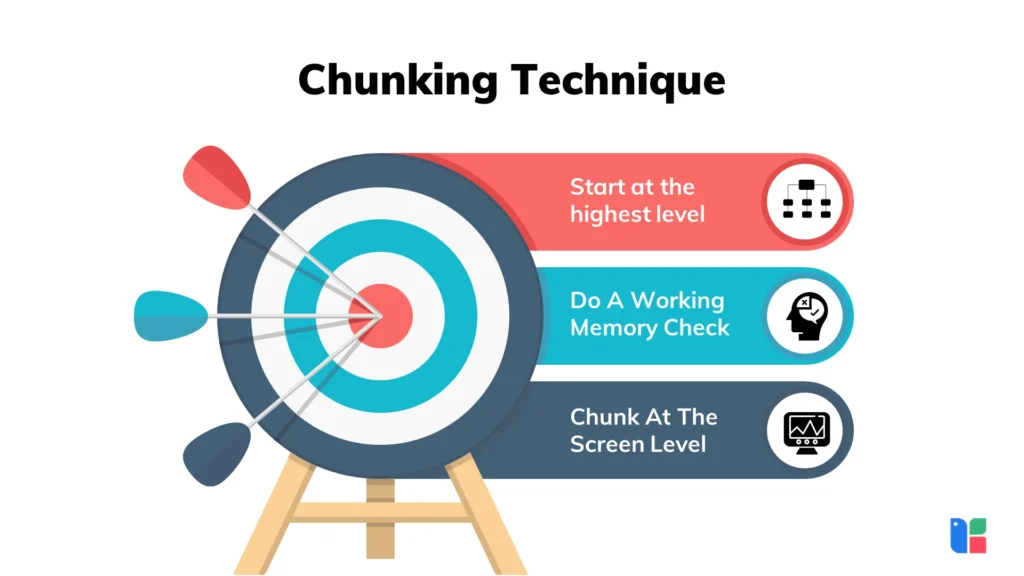
Consider using the Chunking technique, breaking down complex information into smaller, digestible chunks to enhance comprehension.
3. Revising
After writing, go back and make it better. It’s like tuning up a song to make it sound just right. Review and refine the content for clarity, coherence, and completeness. As Ernest Hemingway wisely noted, “The only kind of writing is rewriting.” Check for clearness, fix any confusing parts, and make sure everything fits well together.
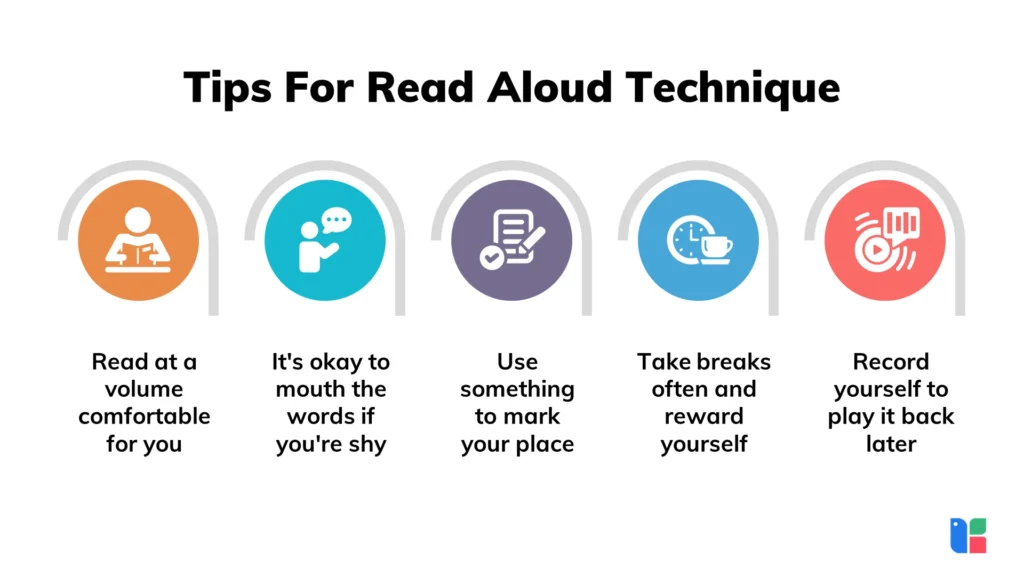
Embrace the Read Aloud technique, reading your work aloud to identify awkward sentences or unclear phrasing.
4. Editing
Editing is not just fixing mistakes; it’s making things perfect. Check for how everything looks and sounds. It’s like adding a final shine to make your writing look professional and put together. As C.J. Cherryh aptly puts it, “It is perfectly okay to write garbage as long as you edit brilliantly.”
Use the Style Guide technique, a set of rules and standards for writing to ensure consistency of the document design in style, formatting, and terminology.
5. Publishing
The last step is showing your work to others. Whether it’s a manual, a report, or sharing with a team, it’s like letting everyone see the finished product. As Seth Godin says, “Don’t find customers for your products; find products for your customers.”
Share your polished document with the world, ready for consumption.
If you’re deciding whether to improve your communication process more intentionally, Kapable helps you check whether this structured learning path fits your goals and readiness.
Conclusion
In the fast-paced realm of technology, technical communication shines as an icon for the creative. From empowering users through clear documentation to fostering efficient collaboration and problem-solving, it’s a superpower that transforms complexity into clarity.
As you navigate this tech landscape, remember that technical communication is not just a skill; it’s the key to unlocking technology’s full potential. Master this art, refine your skills, and let your clear and concise messages guide the way in this ever-advancing world of tech.


