


TL;DR
- Transformative Engagement: Youth leadership is a dynamic, purpose-driven process where young individuals actively engage in decision-making and community initiatives, emphasising their capacity to influence and create positive change.
- Catalyst for Progress: This form of leadership is vital for building resilient communities by fostering innovation, promoting social responsibility, and actively contributing to global efforts like the Sustainable Development Goals (SDGs).
- Essential Toolkit: Successful young leaders balance key characteristics like courage, empathy, and resilience with cultivated practical skills such as critical thinking, problem-solving, communication, and teamwork.
- Navigating the Path: Aspiring leaders must overcome challenges like limited experience and societal biases by identifying core passions, engaging in community service and youth organisations, and proactively taking initiative.
In a world where change is the only constant, the mantle of leadership often finds its way onto the shoulders of the young and the passionate. Did you know there are a whopping 1.2 billion young people aged 15-24 globally, representing a quarter of the world’s population? The rise of youth leadership is not just a phenomenon; it’s a force that shapes destinies and transforms communities.
As we navigate the complex world of the 21st century, the role of young leaders becomes increasingly crucial. This blog explores the dynamic world of youth leadership a space where passion meets action and where the dreams of a better tomorrow are nurtured by those who refuse to wait for change but instead become its architects.
Understanding Youth Leadership
Youth leadership is a dynamic and transformative process in which young individuals actively engage in decision-making, community initiatives, and projects aimed at creating positive change. It rises above conventional notions of authority, emphasising the capacity of young people to influence, inspire, and contribute meaningfully to society. Youth leaders are characterised by passion, purpose, innovation, collaboration, and empathy. They are driven by a deep commitment to causes that matter, approach challenges with creativity, work collaboratively with diverse groups, and actively listen to understand the needs of others.
The impact of youth leadership extends beyond immediate outcomes, creating a ripple effect that influences individuals, communities, and societies. These positive changes contribute to developing resilient, engaged, and socially responsible communities. Youth leadership is very important as it provides a platform for young individuals to contribute to society actively, shaping the present and future. Empowering young leaders fosters a culture of innovation, inclusivity, and social responsibility, creating a more vibrant and dynamic community.
“My journey with Kapable has been truly valuable. The sessions helped me gain confidence and handle impromptu speaking and assertiveness. I successfully led high-level meetings, which I used to avoid, and received positive feedback from my director. I now feel confident and empowered.”
– Ruchika Bagga (Senior Manager At Mankind Pharma)
Importance Of Youth Leadership
Recognising the profound significance of youth leadership is essential in understanding its transformative role in shaping communities and societies. The importance of youth leadership extends across various dimensions, contributing to the holistic development of both individuals and the collective:
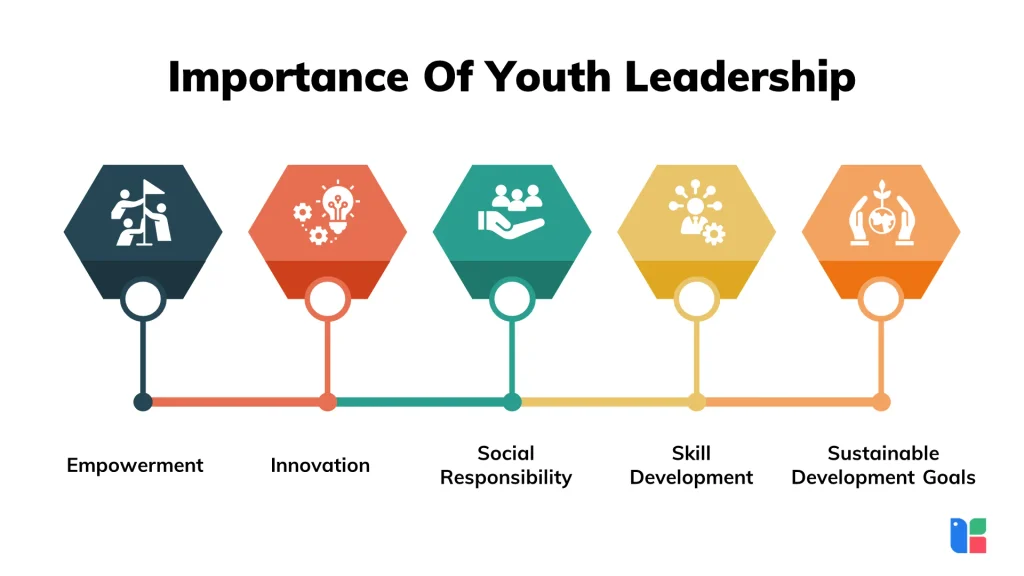
Empowerment
Youth leadership empowers young individuals, allowing them to voice their concerns, ideas, and aspirations. By actively participating in decision-making processes, young leaders contribute to creating more inclusive and representative environments, ensuring that diverse perspectives are heard and considered.
Jack Andraka, a young scientist, is a perfect example of empowerment through youth leadership. At the age of 15, he developed a groundbreaking test for pancreatic cancer, showcasing the impact of youthful ingenuity on global health issues.
Innovation
The energy and creativity inherent in youth leadership bring a fresh perspective to problem-solving and decision-making. Young leaders are often more open to embracing innovative approaches, challenging established norms, and introducing creative solutions to address complex issues. This spirit of innovation contributes to the adaptability and dynamism of communities.
Boyan Slat, founder of The Ocean Cleanup, is a remarkable youth leader in innovation. Starting his project at the age of 18, Slat devised an ambitious system to clean up plastic from the oceans, demonstrating the power of youthful creativity in environmental conservation.
Social Responsibility
Engaging in leadership roles fosters a sense of social responsibility among young individuals. By actively participating in community initiatives and projects, youth leaders contribute to the betterment of society. This involvement promotes civic engagement, encouraging a culture of active citizenship and a commitment to the well-being of the broader community.
Amanda Gorman, the inaugural National Youth Poet Laureate, illustrates the impact of youth leadership in civic engagement. Through her poetry, Gorman addresses social issues, inspiring positive change and emphasising the importance of youth voices in public discourse.
Skill Development
Youth leadership serves as a valuable platform for skill development and personal growth. Leaders acquire and enhance essential skills such as communication, collaboration, critical thinking, and problem-solving. This prepares them for future leadership roles and contributes to their overall personal and professional development.
Elon Musk, the entrepreneur behind SpaceX and Tesla, is a prime example of youth leadership in skill development. Musk, who started coding young, showcases the transformative impact of continuous learning, innovation, and resilience.
Sustainable Development Goals
Youth leadership aligns with global efforts towards achieving the Sustainable Development Goals (SDGs). Young leaders contribute directly to various SDGs, including quality education, gender equality, climate action, and community well-being. Their active involvement is crucial for creating a sustainable and equitable future.
Kehkashan Basu, a youth environmentalist, exemplifies youth leadership in sustainability. As the founder of the Green Hope Foundation, she actively works towards environmental conservation and promotes the achievement of multiple SDGs.

Characteristics of Effective Youth Leaders
Effective youth leaders possess unique qualities that help them make a real impact. Let’s dive into five essential characteristics that define their success:
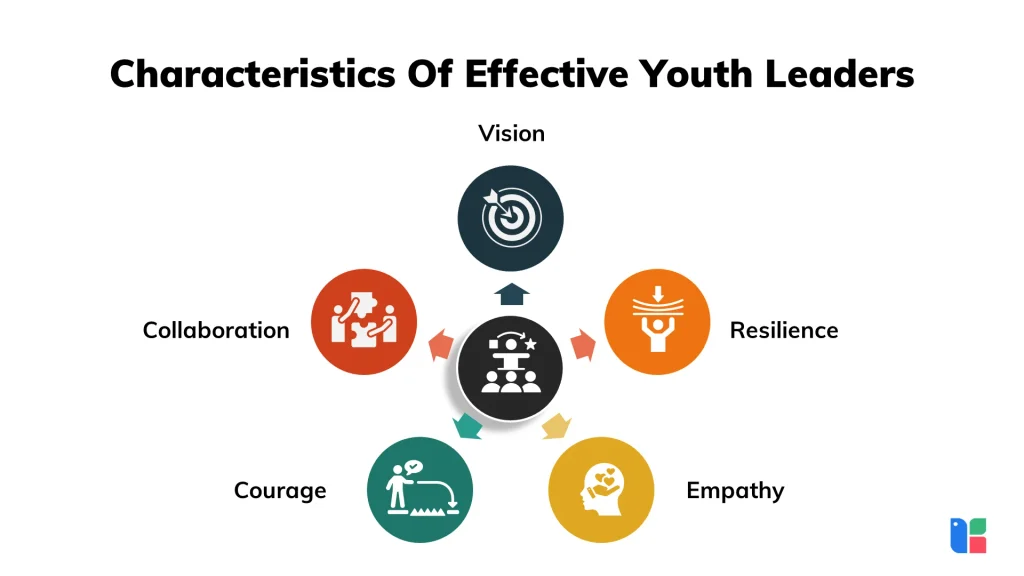
Vision
Effective youth leaders have a clear vision for the future. This isn’t just about imagining a better world; it’s about setting specific goals and creating a roadmap to achieve them. A vision guides their actions, inspiring both themselves and those around them. It’s a practical and focused approach to making positive changes in the world.
Collaboration
Collaboration is at the core of successful youth leadership. Leaders understand the power of teamwork and actively seek out diverse perspectives. Collaboration goes beyond just working together; it involves leveraging the strengths of each team member to achieve common objectives. Youth leaders recognise that collective efforts are more impactful than individual contributions.
Courage
Courage is the backbone of effective youth leadership. It involves facing challenges head-on, taking risks, and navigating through uncertainties. Youth leaders need the courage to stand up for their beliefs, even in the face of opposition. It’s about initiating difficult conversations, making tough decisions, and driving positive change with determination.
Empathy
Empathy is a crucial quality in effective youth leaders. It goes beyond understanding others; it involves actively listening, acknowledging different perspectives, and genuinely caring about the well-being of those around them. Empathy builds trust and fosters a sense of community, creating an environment where everyone feels heard and valued.
Resilience
Resilience is the ability to bounce back from setbacks. Youth leaders encounter obstacles and face failures, but resilience enables them to learn from these experiences and adapt. It’s about maintaining a positive attitude, demonstrating perseverance, and inspiring others to overcome challenges. Resilient leaders view setbacks as opportunities for growth rather than insurmountable barriers.
Early leadership potential becomes stronger when young professionals continuously practise influencing others, solving problems, and making thoughtful decisions. Kapable supports this growth through structured skill development.
Challenges Faced By Youth Leaders
While the journey of youth leadership is undeniably rewarding, it has its share of challenges. Understanding and navigating these hurdles is essential for the growth and resilience of emerging leaders. Let’s shine a light on some common challenges faced by youth leaders:
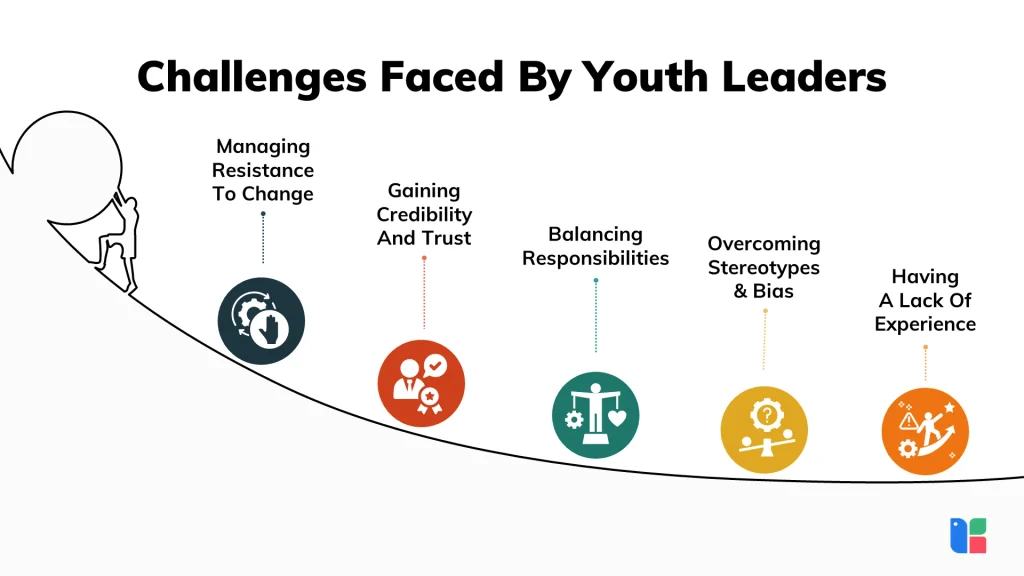
Having A Lack Of Experience
Youth leaders often find themselves in positions where they lack extensive life or professional experience. Navigating uncharted territories requires learning on the go, which can be both demanding and overwhelming. Overcoming the barrier of limited experience is a continuous process of acquiring knowledge, seeking guidance, and learning from each opportunity.
Overcoming Stereotypes And Bias
Stereotypes and biases based on age can be significant obstacles for youth leaders. Some may doubt their capabilities or question their authority due to preconceived notions about young leaders. Breaking through these stereotypes demands resilience and a commitment to proving one’s competence through actions and results.
Balancing Responsibilities
Youth leaders often juggle multiple responsibilities, including academic commitments, personal obligations, and their leadership roles. Striking a balance between these various aspects of life can be challenging, requiring effective time management and prioritisation. Learning to manage responsibilities is a valuable skill that youth leaders cultivate over time.
Gaining Credibility And Trust
Earning the trust and credibility of peers, community members, or team members can be an uphill battle for youth leaders. Building a track record of reliable and impactful leadership is crucial. It involves consistently delivering on promises, being transparent in communication, and showcasing a genuine commitment to the welfare of the community or the team.
Managing Resistance To Change
Youth leaders often advocate for change, and change can be met with resistance. Whether it’s proposing innovative ideas or challenging established norms, leaders may encounter pushback. Navigating this resistance requires effective communication, patience, and the ability to convey the benefits of the proposed changes.

Essential Youth Leadership Skills & How To Improve
Let’s dive into the key skills essential for young leaders and explore how they can cultivate the leader within:
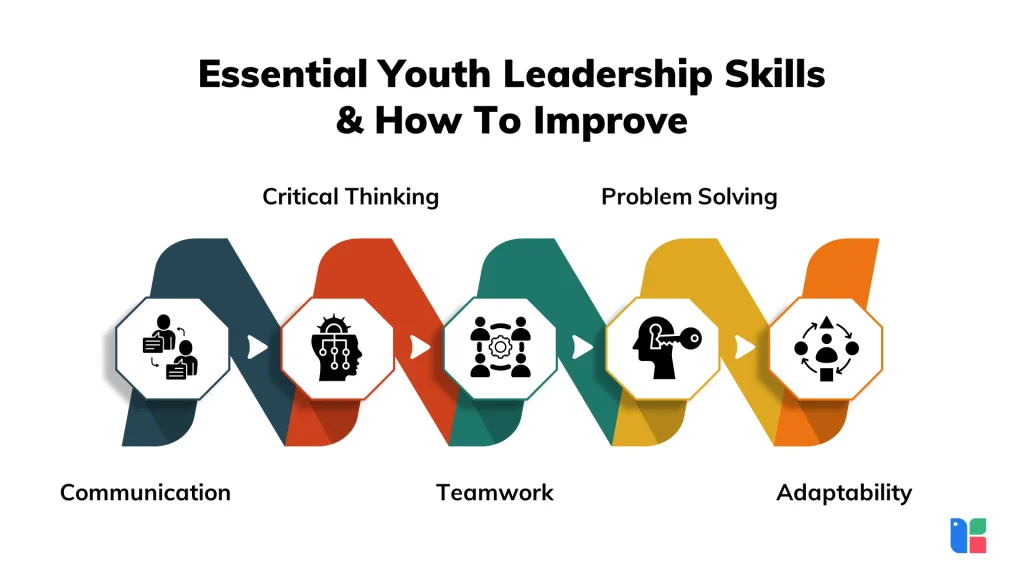
Communication
Effective communication is the cornerstone of successful leadership. Youth leaders must articulate their ideas clearly, actively listen to others, and adapt their communication style to different audiences. Youth leaders can actively engage in activities such as joining public speaking clubs or debate teams. These experiences provide opportunities to practise articulating ideas with confidence, receive constructive feedback, and participate in workshops or courses focused on communication strategies and interpersonal skills.
Critical Thinking
Youth leaders encounter complex issues that require thoughtful analysis. Critical thinking involves evaluating information, considering multiple perspectives, and making informed decisions. Youth leaders can immerse themselves in activities like solving puzzles, engaging in strategic games, or participating in critical thinking workshops. Seeking mentorship from experienced leaders also proves beneficial, providing insights into effective decision-making processes and fostering a habit of analytical thinking.
Teamwork
Leadership is not a solo endeavour; it thrives on collaboration. Youth leaders must learn to work effectively with others, leverage diverse strengths, and foster a culture of teamwork. Youth leaders can enhance this aspect by actively participating in group projects or community initiatives. These experiences offer hands-on opportunities to collaborate with diverse individuals, fostering effective communication and teamwork. Additionally, engaging in team-building activities that promote trust and communication within a group setting contributes to the development of collaborative skills. Seeking feedback from team members and reflecting on ways to improve collaborative efforts further refine these crucial leadership skills.
Problem-Solving
Leaders are often tasked with addressing challenges and finding innovative solutions. Developing problem-solving skills involves approaching issues systematically, brainstorming creative ideas, and implementing effective strategies. Actively engaging in real-world problem-solving scenarios, such as community service projects, provides valuable insights into addressing challenges. Additionally, participation in workshops or courses focused on creative thinking and problem-solving techniques equips youth leaders with a diverse set of tools. Seeking mentorship from experienced problem-solvers enhances their ability to navigate complex issues and find innovative solutions.
Adaptability
In a rapidly changing world, adaptability is a crucial trait for leaders. Youth leaders must be open to new ideas, flexible in their approach, and resilient in the face of uncertainties. Embracing new experiences and stepping outside comfort zones facilitates adaptability. Opportunities to learn from failures and adjust strategies based on lessons learned contribute to the development of this crucial skill. Engaging in diverse projects that require adapting to different environments and circumstances further fortifies a youth leader’s adaptability.
Impact Of Youth Leadership On Communities
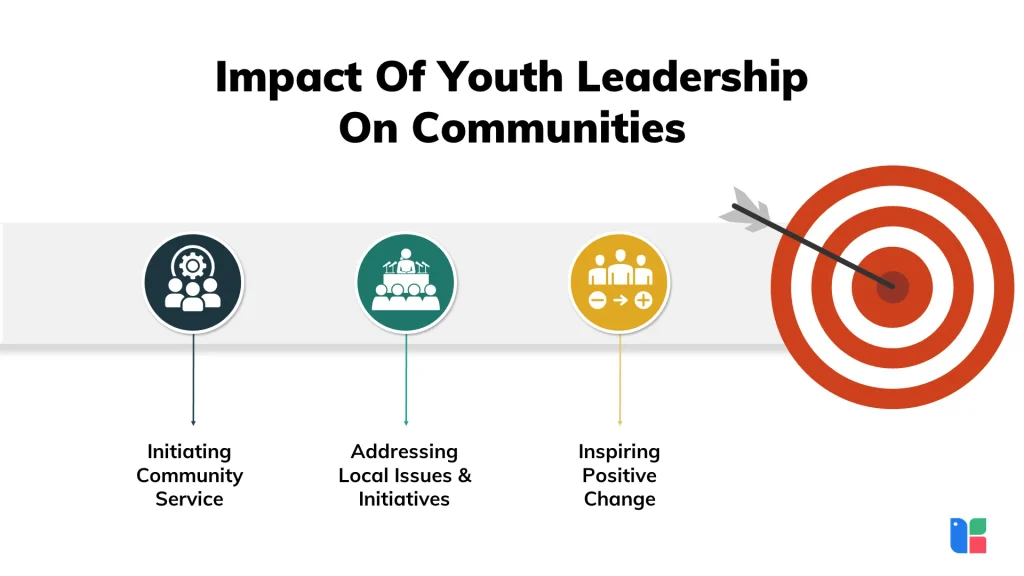
Youth leadership is a catalyst for positive change, not only in the lives of individuals but also within the broader scope of communities. The ripple effects of effective leadership by the youth are profound and transformative. Let’s explore the significant impact youth leadership has on communities:
Initiating Community Service
Youth leaders play a vital role in engaging communities through service initiatives. By identifying local needs and mobilising resources, they contribute to the betterment of the community. Whether it’s organising clean-up drives, food distribution programs, or educational workshops, youth-led initiatives foster a sense of unity and shared responsibility among community members.
One noteworthy instance of youth leadership making a substantial impact on communities is exemplified by Malala Yousafzai. Malala, a Pakistani advocate for female education, started her activism at a young age. Shot by the Taliban for her advocacy, Malala’s resilience and commitment to education have since inspired communities globally. Through her Malala Fund, she actively engages in service initiatives, promoting education for girls in regions facing adversity.
Addressing Local Issues And Initiatives
Effective youth leaders are attuned to the specific needs and challenges faced by their communities. They take proactive measures to address these issues, working collaboratively with community members and stakeholders. From advocating for improved infrastructure to initiating programs that enhance access to education, youth leaders become advocates for positive and sustainable change.
A compelling example of youth leadership addressing local issues is the story of Craig Kielburger. At the age of 12, Craig founded Free The Children, an organisation aimed at combating child labour and supporting education in impoverished communities. His initiative has grown into a global movement, empowering youth to address local issues and contribute to sustainable development. The organisation has impacted communities by building schools, providing healthcare, and promoting economic opportunities.
Inspiring Positive Change
Youth leaders serve as beacons of inspiration, demonstrating that positive change is achievable. Through their actions, they motivate others to become actively involved in community initiatives. This ripple effect creates a culture of empowerment and civic responsibility, fostering a community where individuals are not just passive observers but active contributors to positive change.
The story of Greta Thunberg is a powerful illustration of a youth leader inspiring positive change. Greta, a Swedish environmental activist, began striking from school at the age of 15 to protest government inaction on climate change. Her solitary act grew into a global movement known as “Fridays for Future,” inspiring millions of young people worldwide to participate in climate strikes. Greta’s leadership has catalysed discussions on environmental responsibility and policy changes at both local and global levels.
Every aspiring leader develops at a different pace, making it important to choose a learning experience that fits your goals. Kapable helps you assess whether it is the right fit for your development.
Ways To Become A Youth Leader
Becoming a youth leader is an empowering journey that involves cultivating key skills and actively engaging with your community. Here are practical ways to embark on the path of youth leadership:

Identify Your Passions
Discover what truly matters to you. Whether it’s education, environmental sustainability, social justice, or community development, identifying your passions will give purpose and direction to your leadership journey.
Engage In Community Service
Volunteering is a powerful way to make a positive impact in your community. By actively participating in service initiatives, you not only contribute to the well-being of others but also develop valuable leadership skills and a deeper understanding of community needs.
Join Youth Organisations
Many organisations specifically cater to young leaders. Joining these groups provides a platform to collaborate with like-minded individuals, attend leadership workshops, and participate in community projects. Look for organisations aligned with your interests and values.
Take Initiative
Leadership is about taking initiative and being proactive. Identify areas in your community that could benefit from positive change and take the first steps towards addressing them. Whether it’s starting a community project or organising an event, taking initiative demonstrates leadership potential.
Network And Collaborate
Build a network of diverse connections within your community and beyond. Collaboration with individuals from different backgrounds enriches your perspective and strengthens your ability to work effectively with a variety of people. Attend community events, join forums, and actively seek opportunities to collaborate on projects.


