


TL;DR
- Feedback is a Growth Catalyst: It provides crucial external insight into audience perception, identifies strengths and weaknesses, and validates preferences, making it essential for continuous presentation refinement.
- Multi-Stage Collection: Comprehensive insights are best achieved by gathering feedback before (surveys/stakeholder input), during (interactive tools/participation), and after (post-surveys/debriefs) the presentation.
- Action-Oriented Improvement: To enhance skills, presenters must methodically reflect on feedback, pinpoint specific areas for growth, set concrete goals, and consistently practice implementing those changes.
- Emotional Objectivity is Key: Effectively using critique requires emotional regulation, which means viewing feedback as professional data, maintaining objectivity, and seeking clarification on points for improvement.
You are standing in front of a room filled with expectant faces, your heart racing with anticipation. You’ve spent hours preparing your presentation, meticulously crafting each slide and rehearsing every word. As you begin to speak, you can’t help but wonder: Will your audience connect with your message? Will they find your presentation engaging and informative?
This scenario is familiar to anyone who has ever faced the challenge of delivering a presentation. Whether you’re speaking to a small group of colleagues or addressing a large audience at a conference, the ability to captivate your audience and convey your message effectively is essential.
In presentations, feedback from your audience is invaluable. It provides insights into how your message is received, identifies areas for improvement, and helps you refine your delivery for maximum impact. In this blog, we’ll explore the significance of audience feedback in enhancing your presentation skills.
Join us as we delve into why feedback from your audience matters, how to gather feedback effectively before, during, and after your presentation, and strategies for using feedback to improve your presentation skills. Whether you’re a seasoned presenter or just starting out, this guide will equip you with the tools and insights you need to deliver compelling presentations that leave a lasting impression.

Why Does Audience Feedback Matters?
In presentations, audience feedback serves as a beacon guiding presenters through the often difficult situations of communication skills. Here’s why it holds such immense importance:

Insight Into Audience Perception
Suppose you’re delivering a presentation on the benefits of a new software tool to a group of colleagues. Audience feedback reveals that while they appreciate the tool’s features, they struggle to understand its implementation process. This insight prompts you to adjust your own presentation to provide clearer instructions, ensuring better comprehension among your audience. Feedback, both positive and negative comments, is essential as it helps you communicate key points more effectively.
Identification Of Strengths And Weaknesses
After presenting a sales pitch to potential clients, you receive feedback praising your engaging storytelling but noting a lack of data to support your claims. Recognising this as a weakness, you incorporate relevant statistics and case studies into future presentations, bolstering your credibility and persuasive power. The act of giving feedback is crucial for presenters to identify areas that need improvement.
Enhancement Of Engagement And Connection
During a training session, you encourage participants to share their thoughts and experiences related to the topic. Their helpful feedback fosters a sense of involvement and sparks meaningful discussions and insights. This collaborative interaction deepens the connection between the presenter and the audience, resulting in a more enriching learning experience. It’s important to remember that not all feedback will be immediately actionable, but every bit can contribute to growth.
Validation Of Audience Preferences
Before delivering a keynote speech at a conference, you survey to gauge the audience’s interests and preferences. Feedback reveals a strong interest in real-life case studies and practical examples. With this knowledge, you tailor your presentation to include relevant anecdotes and demonstrations, ensuring maximum relevance and engagement. This approach ensures that even a good presentation can be adapted to meet the specific needs and preferences of your audience.
Opportunity for Continuous Improvement
Following a team meeting presentation, you collect feedback from colleagues on areas for improvement. Constructive criticism highlights opportunities to refine your delivery style, such as speaking more slowly or using more visual aids. Implementing these suggestions enhances your presentation skills over time, making you a more effective communicator. Encouraging your audience to give feedback helps ensure that your presentation material continually evolves and improves, addressing the audience’s needs more effectively.
The best presenters don’t just speak; they observe audience responses and adapt their message in real time. Learn how Kapable helps professionals build this communication agility.
How To Gather Feedback Before The Presentation?
Collecting effective feedback before your presentation is crucial for tailoring your content and delivery to meet the needs and expectations of your audience. Here’s how to gather feedback effectively before stepping onto the stage:
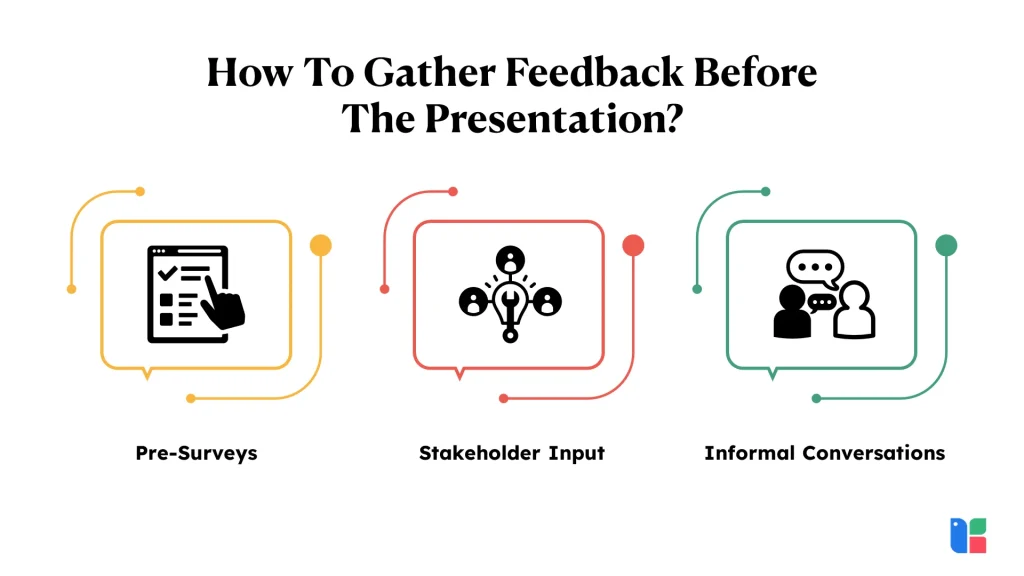
Pre-Surveys
Before the presentation, pre-surveys allow you to gauge your audience’s interests, expectations, and knowledge level. Create a survey or questionnaire using online tools or email platforms. Include questions about key aspects of interest, preferred presentation styles, and specific areas of concern or curiosity.
If you’re delivering a workshop on digital marketing, your pre-survey might ask participants about their familiarity with various digital marketing channels, their primary goals for attending the workshop, and any specific questions or challenges they hope to address. This method ensures that you receive both positive comments and negative comments, allowing you to adjust your presentation in a very organised way.
Stakeholder Input
Engaging key stakeholders or colleagues in discussions before the oral presentation provides valuable insights and perspectives. Schedule meetings or brainstorming sessions with relevant stakeholders to gather good feedback on your content, objectives, and approach.
Encourage open dialogue and solicit input on potential areas for improvement or refinement. Before presenting a project proposal to senior management, seek input from team members, department heads, and other stakeholders involved in the project. Their feedback can help ensure that your presentation addresses key objectives and aligns with organisational objectives.
Informal Conversations
Informal conversations with individuals or small groups can provide valuable insights and perspectives that may not surface through formal feedback mechanisms. Take advantage of opportunities for casual conversations with colleagues, mentors, or subject matter experts who have knowledge or experience relevant to your presentation topic. Ask for their input, opinions, and suggestions to enrich your understanding and refine your presentation.
While grabbing coffee with a colleague, casually mention the topic of your next presentation and ask for their thoughts or feedback. Their insights may offer valuable perspectives or ideas that you hadn’t considered and help you effectively command attention during the actual presentation.
Ensuring that feedback is gathered in a timely manner allows you to refine and perfect your presentation, aiming to create not just a good presentation but a perfect presentation. Each piece of feedback, whether it focuses on improving content or delivery style, plays a critical role in shaping a presentation that truly resonates with your audience and meets their expectations.
“This journey transformed my confidence and communication skills, enabling me to deliver impactful presentations, including a town hall for 500 people and a compelling business pitch to a senior stakeholder. Kapable has been a game-changer in my professional growth.”
– Ajay Deshmukh (Director At JPMorgan Chase)
How To Gather Feedback During the Presentation?
Collecting feedback during your presentation provides valuable real-time insights into audience engagement and comprehension. Here’s how to gather feedback effectively while delivering your presentation:
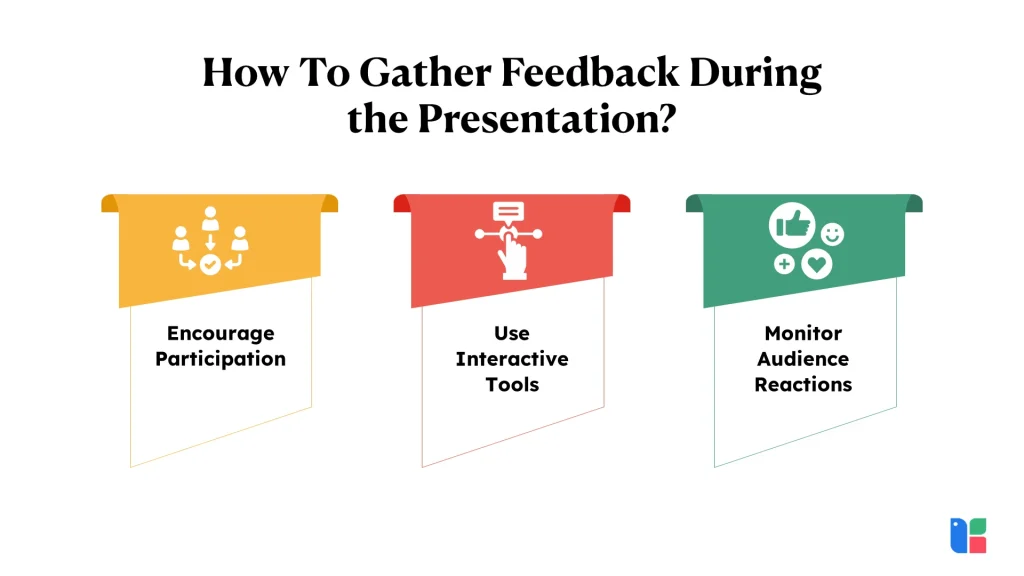
Encourage Participation
Actively encouraging audience participation fosters engagement and allows you to gauge audience reactions and understanding. Throughout your presentation, invite audience members to ask questions, share their thoughts, or provide feedback. Create a welcoming and inclusive atmosphere where everyone feels comfortable contributing. This proactive approach ensures that feedback is not rarely helpful but is instead constructive, providing you with audience clear takeaways.
Pause periodically during your presentation to ask if anyone has questions or if anyone would like to share their experiences related to the topic. This method ensures that the proper context is maintained, helping the audience connect more deeply with the key agenda items. Encourage audience members to raise their hands or use a digital platform to submit questions or comments anonymously.
Use Interactive Tools
Incorporating interactive elements into your presentation encourages engagement and provides immediate feedback on audience reactions. Use interactive tools such as polling software, live chat platforms, or audience response systems to gather real-time feedback from your audience. Pose questions, quizzes, or polls related to your presentation topic and encourage audience members to participate. Asking atleast a couple of direct questions during the session can further enhance the interactivity and effectiveness of your presentation.
Integrate interactive polling questions into your presentation slides and ask audience members to respond using their smartphones or electronic devices. Display the results in real-time to spark discussion and gauge audience opinions or preferences. This strategy helps ensure the person giving the presentation can remain consistent with the audience’s needs and expectations.
Monitor Audience Reactions
Paying attention to audience reactions and body language allows you to assess audience engagement and adjust your delivery as needed. Observe audience members’ facial expressions, body language, and level of engagement throughout your presentation. Look for signs of interest, confusion, or disengagement and adjust your pace, tone, or content accordingly. Observing these reactions is quite the opposite of ignoring your audience; it’s a dynamic way to connect and refine your approach on a positive note.
Notice if audience members are nodding in agreement, leaning forward with interest, or checking their phones or watches. These cues can indicate whether your key message is resonating with your audience or if they’re struggling to stay engaged.

How To Gather Feedback After the Presentation?
Collecting feedback after your presentation provides valuable insights into audience satisfaction, comprehension, and areas for improvement. Here’s how to gather feedback effectively after concluding your presentation:

Post-Presentation Surveys
Post-presentation surveys allow you to gather detailed feedback from your audience on various aspects of your presentation. Create an online survey or feedback form using platforms such as Google Forms or SurveyMonkey. Include questions about the clarity of your message, the effectiveness of your delivery, and areas for improvement. Ensure that the survey design is visually appealing to keep the audience engaged and encourage thorough responses. Distribute the survey to your audience via email or a shared link.
Ask participants to rate the relevance of the content presented, the clarity of the explanations provided, and the overall effectiveness of the presentation on a scale from 1 to 5. Include open-ended questions to allow participants to provide additional comments or suggestions for improvement. Feedback gathered this way can be immensely helpful for tailoring your presentations to varying audiences in the future.
One-on-One Discussions
Engaging in one-on-one discussions with audience members allows for more personalised feedback and deeper insights. Approach audience members individually after the presentation and ask for their feedback. Encourage them to listen carefully and share their thoughts, impressions, and any specific areas where they feel the presentation could be improved. Ensure each person feels heard, which fosters a more genuine exchange of ideas. Take notes on their feedback for future reference.
Approach a few audience members who seemed particularly engaged or had questions during the presentation. Ask them about their key takeaways from the presentation and if there were any aspects they found particularly effective or challenging. Utilise small group chats if the audience size allows, to gather more dynamic feedback.
Debrief Sessions
Hosting debrief sessions with key stakeholders or colleagues provides an opportunity to discuss feedback and insights gathered from the audience. Schedule a debrief session shortly after the presentation to review feedback and discuss areas for improvement. Encourage open dialogue and brainstorm ideas for enhancing future presentations based on the feedback received. This can help maintain audience attention in future presentations and refine the delivery and content.
Gather with members of your presentation team or department to review the feedback collected from the audience. Discuss common themes or areas for improvement identified in the feedback and brainstorm strategies for addressing them in future presentations. These sessions are crucial for ensuring that the feedback loop is closed and that learnings are applied systematically.
Every presenter receives feedback differently, making it important to choose learning that supports continuous improvement. Kapable helps you determine whether its approach fits your goals.
How To Use Feedback To Enhance Your Presentation Skills?
After gathering feedback from various sources, it’s crucial to leverage that feedback effectively to improve your presentation skills and delivery. Here’s how you can use feedback to enhance your abilities and provide even more value to your audience:

Reflect On Feedback
Take the time to reflect on the feedback you’ve received from pre-surveys, audience interactions during the presentation, and post-presentation surveys. Consider both the positive feedback that affirms your strengths and the constructive feedback that points out areas for improvement. Reflecting on feedback allows you to gain valuable insights into how your audience perceives your presentation and what aspects they find most impactful or lacking.
Identify Areas For Improvement
Based on the feedback you’ve received, identify specific areas of your presentation that could benefit from improvement. This could include aspects such as the clarity of your content, the organisation of your ideas, the effectiveness of your delivery style, or the engagement techniques you employ. By pinpointing areas for improvement, you can focus your efforts on making targeted changes that will enhance the overall quality and impact of your presentations.
Set Goals For Improvement
Once you’ve identified areas for improvement, establish clear and achievable goals for enhancing your presentation skills. Setting goals allows you to create a roadmap for your improvement journey and provides you with a sense of direction and purpose. Whether your goal is to speak more confidently, use visuals more effectively, or engage your audience more actively, setting specific objectives will help you stay focused and motivated as you work towards improvement.
Seek Additional Training
Consider seeking out additional training or resources to help address areas of weakness identified in the feedback. This could involve enrolling in public speaking courses, attending workshops on presentation skills, or seeking guidance from a mentor or coach who can provide personalised feedback and support. Investing in your professional development shows your commitment to continuous improvement and equips you with the knowledge and skills you need to excel as a presenter.
Practice and Implement Changes
Practice incorporating the feedback you’ve received into your presentations and implementing changes to improve your skills. Rehearse your revised presentation multiple times to refine your delivery and ensure that the changes you’ve made are effective. Practising regularly allows you to build confidence in your abilities and become more comfortable with the changes you’re making, ultimately leading to more polished and effective presentations.
Gather Ongoing Feedback
Continue to solicit feedback from your audience and peers as you refine your presentation skills. Actively seek out opportunities to gather input on your presentations, whether it’s through informal conversations, post-presentation surveys, or one-on-one feedback sessions. Use the feedback you receive to track your progress, identify areas of further improvement, and make continuous adjustments to your presentations. By actively seeking out feedback and incorporating it into your practice, you can ensure that your presentations are always evolving and improving to meet the needs and expectations of your audience.
How To Integrate Emotional Regulation With Feedback?
Managing emotions effectively is crucial when dealing with feedback, especially in high-stakes environments like public presentations. Emotional regulation helps presenters maintain professionalism and focus, ensuring that feedback is utilised constructively. In this section, we explore strategies for regulating emotions, understanding the source of feedback, and incorporating it objectively to enhance presentation skills.
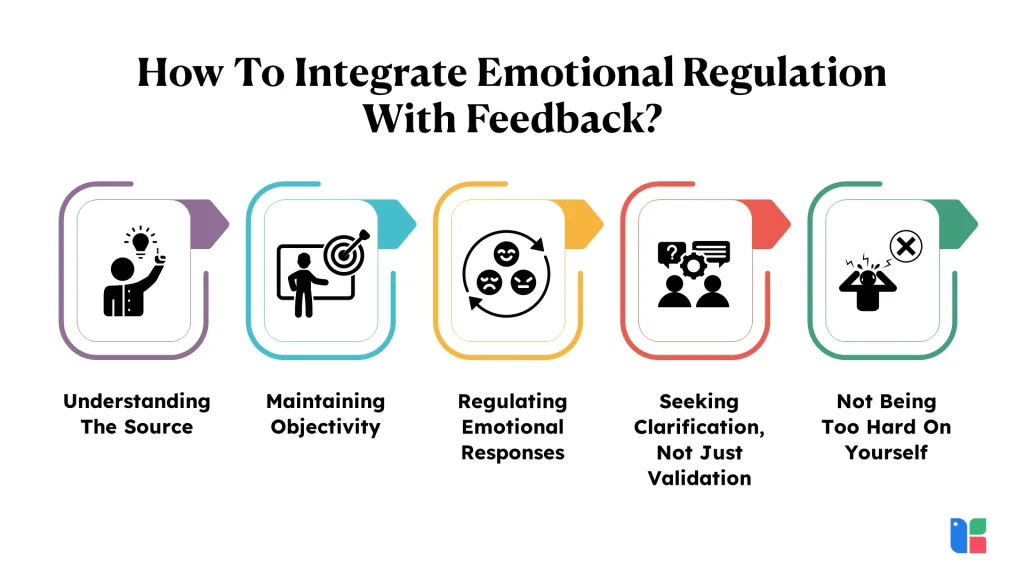
Understanding The Source
Who gives feedback and their intentions play a significant role in how it should be interpreted and used. Feedback from a trusted mentor or an experienced colleague often comes from a place of wanting to see you improve and succeed. Recognise that feedback, even when critical, is a valuable tool for personal and professional growth. For instance, a seasoned executive providing critique on your delivery style is likely aiming to refine your skills, not undermine your confidence. This insight is vital for anyone aspiring to be an effective presenter.
Maintaining Objectivity
To take feedback constructively, it’s essential to detach personal feelings from professional growth objectives. View feedback as data—a means to help you do a self-awareness evaluation of your performance from an external perspective. This mindset shift is crucial for using feedback effectively without feeling personally attacked or demoralised.
Regulating Emotional Responses
It’s natural to feel defensive or upset when receiving critical feedback, especially after putting hard work into a Ted Talk or similar high-profile presentation. However, practising emotional regulation can help you maintain composure and gain the most from the feedback provided. Techniques such as deep breathing, pausing before responding, or even requesting time to process the information can be beneficial. This approach not only helps in managing your immediate emotional reactions but also sets a professional tone for the interaction.
Seeking Clarification, Not Just Validation
When receiving feedback, engage actively by asking clarifying questions. This helps ensure you fully understand the feedback and reflects your openness to improvement. For example, if feedback is provided on your presentation’s organisation, ask for specific examples of what could be improved and why. This not only helps you grasp the feedback better but also shows the giver that you are serious about improving. By giving effective feedback, you can identify the important points that keep people interested and engaged throughout your presentation.
Not Being Too Hard On Yourself
While it’s important to take feedback seriously, it’s equally crucial not to be too hard on yourself. Remember that every presenter has strengths and areas for improvement. Constructive feedback is not an indication of failure but a stepping stone for development. Celebrate the aspects of your presentation that were well-received, and approach areas of improvement as opportunities to learn and grow. Learning to read social cues and adjusting your response can significantly enhance how you interact with your audience and process their feedback.
Conclusion
Feedback is not just a mere afterthought; it’s a powerful catalyst for growth and improvement. Remember that feedback is not just about receiving criticism; it’s about embracing opportunities for growth and continuous improvement. Approach feedback with an open mind, stay receptive to diverse perspectives, and use it as a guiding light to illuminate your path towards presentation excellence.
By creating a feedback loop, focusing on actionable insights, experimenting with new approaches, seeking diverse perspectives, and staying open to feedback, you can unlock the full potential of your presentation skills and leave a lasting impact on your audience.
So, the next time you step onto the stage, invite your audience to be your partners in the journey towards presentation greatness.


