


TL;DR
- Effective Slide Design: Adopt rules like the 10-20-30 principle to ensure content is concise, visually appealing, and easily legible, preventing audience overload.
- Audience-Centric Content: Build a compelling narrative by deeply researching your topic, analysing audience needs and pain points, and distilling everything into one clear, reinforced core message.
- Confident Delivery & Engagement: Use purposeful eye contact techniques and assured body language to build trust, and demonstrate expertise and adaptability by actively listening and preparing for the Q&A session.
- Continuous Skill Refinement: Systematically gather insights through post-presentation surveys, peer reviews, and personal reflection (like a SWOT analysis) to ensure constant evolution of your presentation style.
Ever sat through a presentation that put you to sleep faster than a bedtime story? Or have you given yourself one that felt about as exciting as watching grass grow? Fear not, presentation warriors! Even if you are a boss in a boardroom or a student facing your first “show and tell,” this guide is your key to unlocking the power of amazing presentations.
Why, you ask? Well, good presentation skills are like superpowers. They can help you nail that dream job, get your ideas heard, teach and inspire and be remembered.
Ready to ditch the nervous shakes and become a presentation pro? Buckle up because we’re diving deep into the world of Presentation Skills: The Beginner’s Guide to Captivating Crowds. From crafting awesome content to delivering with confidence, we’ll cover what you need to know. So, let’s say goodbye to boring presentations and hello to leaving a lasting impact!
“Kapable has elevated my self-awareness to a degree I couldn’t have imagined. Some of the intrinsic aspects they touched upon impacted me emotionally, physically, and psychologically. It was a holistic approach, not just to how you operate at work, but also in your interactions with family and friends. The benefits of joining Kapable have been immense, and the learnings I’ve gained will stay with me for a long time.”
– Sreemoyee Banerjee (Service Delivery Leader At American Express)
How Can You Create Effective Presentations?
By adhering to these guidelines and understanding the rationale behind each, you’ll be better equipped to create compelling and effective presentation slides. Remember, the goal is to enhance your spoken message, ensuring it is more than just engaging but accessible to your audience.

1. Follow the 10-20-30 Rule: The 10-20-30 Rule is often recommended for creating effective PowerPoint presentations, particularly by Guy Kawasaki, a venture capitalist and entrepreneur. The rule suggests:
- 10 Slides: Limit your presentation to around 10 slides. Keeping it concise ensures that you are focussing on the most critical points without making it overwhelming to your audience with too much information.
- 20 Minutes: Aim to complete your entire presentation within 20 minutes. This time constraint encourages you to prioritise key messages, keeping your audience engaged and preventing information fatigue.
- 30-Point Font: Use a minimum font size of 30 points for your text. This promotes readability and forces you to be concise with your content. Larger font sizes make sure that the audience can easily read and understand your slides.
2. One Idea Per Slide: Centering each slide around a single idea enhances clarity. This practice helps your audience follow your narrative more efficiently and prevents confusion caused by multiple competing concepts on a slide.
3. Clear and Concise Messaging: Using clear and concise language aids audience comprehension. Avoiding overly complex sentences ensures that your message is easily digestible, even for those with varying levels of familiarity with the topic.
4. Consistent Font and Colour Usage: Consistency in font style and the size on the screen maintains a professional appearance. Establishing a cohesive colour scheme enhances visual appeal and creates a unified and polished presentation.
5. Visual Appeal: High-quality visuals, such as images, charts, and graphs, add depth and support to your spoken content. A clean and professional design ensures that your visuals contribute positively to the presentation.
6. Limited Bullet Points: Bullet points effectively emphasise key points. Using them sparingly ensures that your audience stays focused on the most critical information, preventing distraction or confusion.
7. Effective Use of Headings: Clear and descriptive headings act as a navigational tool for your audience, providing a quick overview of the presentation slide’s main idea. This helps maintain engagement and aids understanding.
8. Minimise Text, Maximise Visuals: Striking a balance between text and visuals prevents text-heavy slides that might bore or overwhelm your audience. Effective use of images and graphics enhances overall engagement.
9. Consistent Slide Layout: Consistency in slide layout creates visual harmony. Uniform placement of headers, footers, and logos contributes to a polished and cohesive look, enhancing the overall professionalism of your presentation.
10. Logical Flow: A logical sequence of slides contributes to cohesive storytelling. Ensuring a logical flow allows your audience to follow the progression of your ideas, making it easier for them to understand and retain information.
11. Appropriate Use of Animation: Animation, when used judiciously, can draw attention to key points. However, excessive animation may distract from your message. Use animation to enhance, not overshadow, your presentation.
12. Check for Readability: Considering readability in different lighting conditions ensures that your slides remain clear and legible. Opting for high contrast between text and background colours contributes to a better viewing experience.
13. Proofread and Edit: Thoroughly proofreading ensures a polished presentation. Correcting grammatical mistakes and typos contributes to overall professionalism and enhances your credibility.
14. Feedback and Iteration: Seeking feedback and iteration based on constructive input allows for continuous improvement. Embracing a mindset of refinement ensures that your presentation skills evolve over time.
Presentation guidelines are most effective when they become everyday communication habits instead of a checklist. Kapable helps professionals develop these habits through structured practice.
Which Guidelines Strengthen Your Presentation Skills?
Embracing these practices and utilising the suggested tools and frameworks can significantly enhance your presentation skills.

Prepare and Research Thoroughly
Thorough preparation and research are foundational elements for a presentation. Investing time in comprehensive research using reliable sources like academic journals and industry reports not only builds your confidence but also establishes your credibility and expertise in the eyes of the audience.
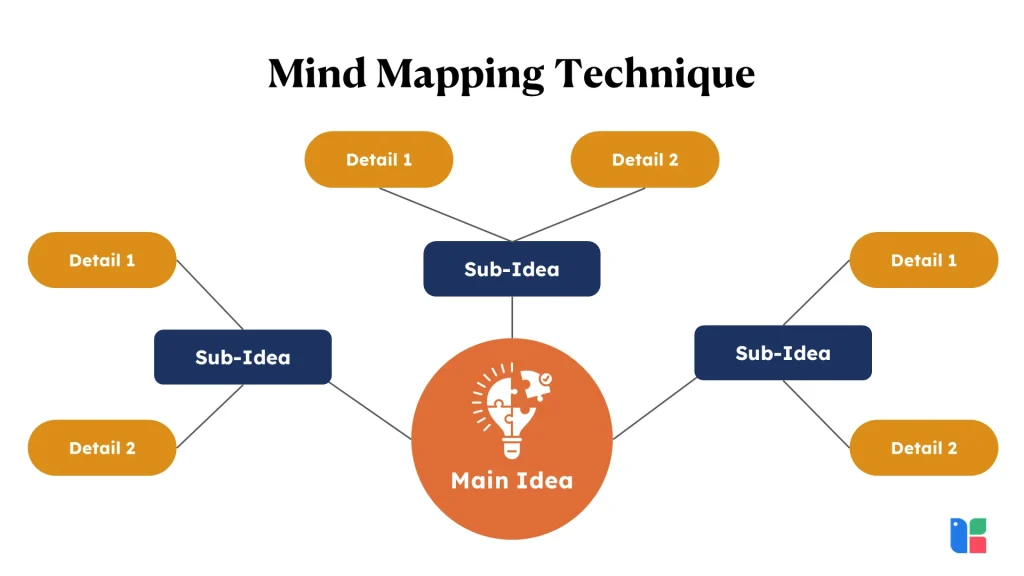
Utilising tools such as mind mapping software and presentation platforms like PowerPoint or Prezi aids in organising information effectively, ensuring a logical and engaging flow during your presentation. Solo rehearsals and seeking feedback from peers contribute to refining both content and delivery, allowing for a confident and polished performance.
Tools like surveys and polls can be invaluable in gathering insights before the presentation, allowing you to adjust your approach accordingly. Staying informed about industry trends and current events related to your topic demonstrates your commitment to providing relevant and up-to-date information.
Focus On Your Audience’s Needs
Ensuring your presentation resonates with your audience is extremely important for success. By focusing on your audience’s needs, you create an environment of engagement and connection. This approach not only helps to connect with your audience but also demonstrates a genuine interest in addressing their concerns.
To achieve this, conduct a thorough audience analysis, considering demographics and preferences. Creating audience personas aids in visualising diverse needs, and employing empathy mapping techniques helps understand their emotions and concerns. Aligning your content with these identified needs, addressing pain points, and maintaining relevance ensures that your audience finds value in your presentation.
Interactive elements, such as Q&A sessions and polls, contribute to real-time engagement and provide opportunities to address immediate queries. Incorporating these elements fosters a dynamic and participatory atmosphere.
Establishing a continuous feedback loop, both before and after the presentation, is essential. Utilise pre-presentation surveys to gather insights, adjust content accordingly, and enhance overall responsiveness. Post-presentation surveys and social media listening offer avenues for ongoing improvement, enabling you to fine-tune your approach based on real audience feedback.

Concentrate On Your Core Message
Maintaining a concentrated focus on your core message is pivotal for delivering a good presentation that resonates and is easily understood by your audience. By distilling your presentation into a single, key takeaway, you will provide clarity and prevent information overload.
Following principles like the Rule of Three helps in presenting information in an engaging and memorable manner. Utilising message mapping techniques visually represents how your core message aligns with supporting points, ensuring a coherent narrative structure. Throughout the presentation, consistently reference and reinforce your core message to embed it in the minds of your audience.
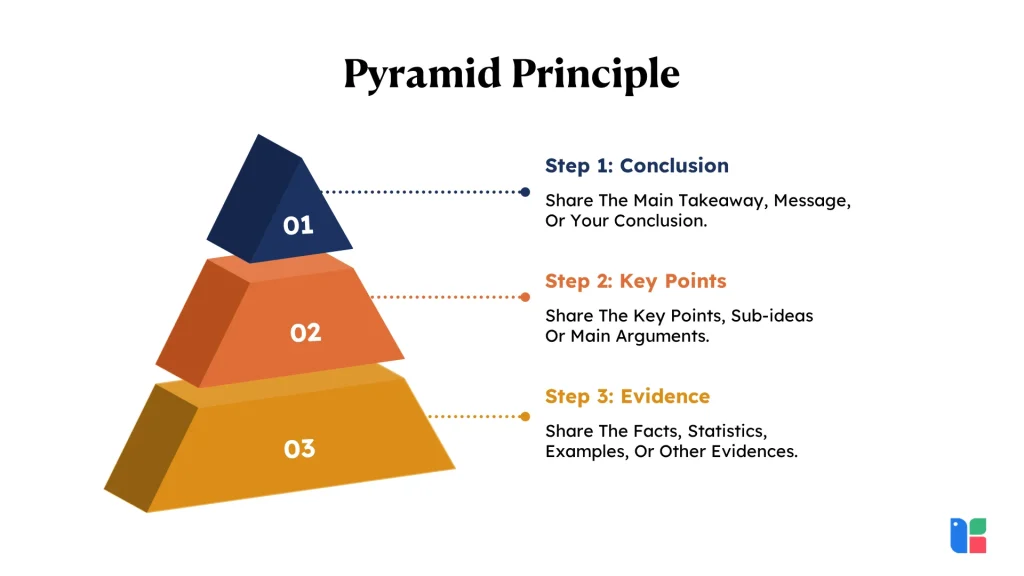
Employing storytelling techniques enhances the impact, weaving your central idea into relatable anecdotes. Visual aids should be consistent with your core message and complement and reinforce the central idea. Structuring your content with the Pyramid Principle places the core message at the forefront, emphasising its importance.
To gauge clarity and effectiveness, seek feedback from peers, ensuring your core message is easily understood and resonates with the target audience. Conducting usability testing further refines your message and assesses its impact on your audience.
Make Eye Contact with your Audience
Establishing a personal connection with your audience is a key aspect of effective presentations, and smiling while making eye contact plays a crucial role in achieving this. A genuine smile fosters openness and relatability, while direct eye contact builds trust and engagement. Practising in front of the mirror helps refine your facial expressions, ensuring your smile is warm and inviting. Incorporating natural gestures and hand movements complements your facial expressions, contributing to a dynamic and engaging presence.
During a presentation, make a conscious effort to scan the audience, making brief eye contact with different individuals to create inclusivity and connection. Acknowledging audience responses with a smile or nod reinforces the interactive nature of your presentation. It’s crucial to be mindful of cultural norms regarding eye contact and facial expressions, ensuring your approach is respectful and aligns with diverse expectations. Incorporating relaxation techniques, such as mindful breathing, helps alleviate nervousness, contributing to a calm and composed demeanour.
Eye Contact Techniques:
- The Triangle Technique: Divide your audience into three sections (left, centre, right). Rotate your gaze, spending a few seconds making eye contact with individuals in each section.

- The Clock Technique: Visualise the audience to be a clock. Move your eyes from 12 to 6, 6 to 3, and 3 to 12, ensuring you cover the entire audience.
- Pause and Engage: When making a significant point, pause and make deliberate eye contact with individuals. This emphasises key messages and enhances engagement.
- Friendly Nod: Accompanying eye contact with a friendly nod signifies attentiveness and encourages a positive response from your audience.
Confident Body Language
Confident body language is a powerful tool that significantly contributes to the success of a presentation. Standing tall with an upright posture not only conveys assurance but also enhances your credibility as a presenter. Distributing your weight evenly between both feet and avoiding excessive movements or fidgeting reinforces the image of strength and professionalism.
Purposeful and natural gestures play a crucial role in maintaining audience engagement. Expressive movements emphasise key points, but it’s essential to avoid distracting or repetitive actions that may divert attention.

Facial expressions are another key component of confident body language. Using your face to convey enthusiasm, confidence, and sincerity adds depth to your verbal communication. Consistent eye contact, as reiterated in our previous point, reinforces engagement and connection with your audience. Purposeful movement can further enhance your message, allowing you to transition between key points or engage different sections of the audience. However, it’s important to strike a balance and avoid excessive pacing, ensuring your movements contribute to the overall impact of your presentation.
Additionally, integrating controlled breathing techniques into your routine contributes to a calm and composed demeanour. Practise deep breaths to maintain composure, as controlled breathing is integral to projecting steady and confident body language.
Calmly Handle Q&A
Effectively managing the question and answer (Q&A) session is a critical aspect of a successful presentation. A well-handled Q&A session not only enhances interactivity but also showcases your expertise and adaptability to audience needs. To navigate this segment smoothly, anticipating and preparing for potential questions is key.
Develop well-informed responses and create a comprehensive FAQ document as a quick reference during the session. When engaging with questions, practise active listening by giving each inquiry your full attention, maintaining eye contact, and repeating or clarifying questions for mutual understanding.
Remaining calm and composed during the Q&A is crucial, and employing mindful breathing techniques can help maintain composure, especially when faced with challenging queries. A positive and respectful tone throughout the session contributes to a constructive dialogue.
Encourage audience participation by creating an open floor for questions or having a moderator assist in selecting and presenting them. When uncertain about an answer, be honest and acknowledge limitations, offering to follow up with additional information post-presentation. Setting clear time limits for the Q&A session ensures a balanced allocation of time, preventing it from becoming overwhelming or extending beyond the scheduled time frame.

Seek Feedback
Actively seeking feedback after a presentation is a crucial step in the journey to improve your presentation skills. This process provides valuable insights into both strengths and areas for enhancement, offering a comprehensive understanding of how your message resonated with the audience.
Utilising feedback forms or surveys distributed post-presentation allows participants to share their thoughts on various aspects such as content, delivery, and overall impact. Structuring questions in these forms ensures targeted feedback, focusing on specific elements like clarity of message, engagement level, and relevance. Beyond formal surveys, engaging in peer reviews by requesting evaluations from colleagues adds external perspectives, fostering constructive discussions on presentation strengths and areas for improvement.
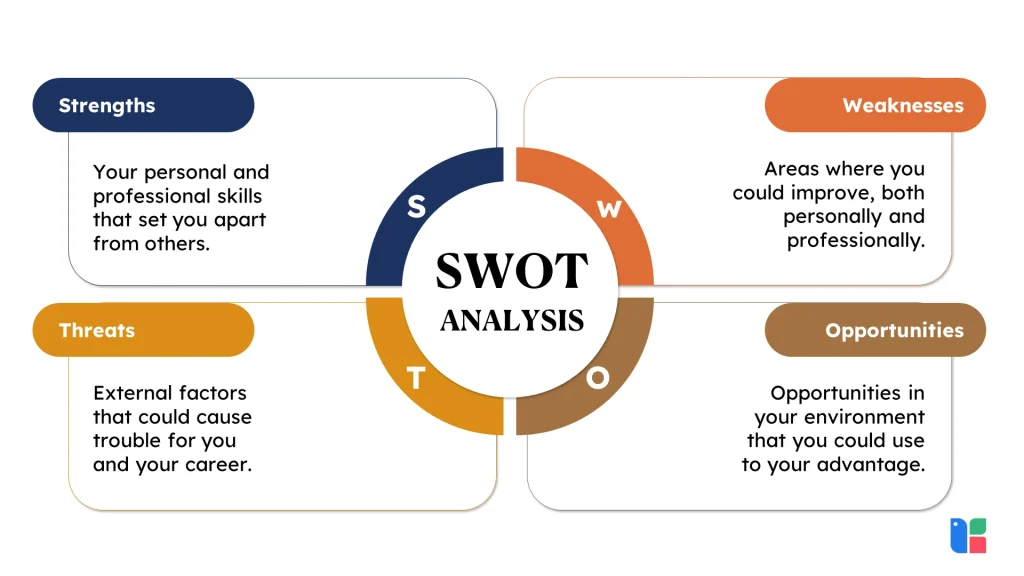
Reviewing your tone, body language, and overall delivery can help identify areas for adjustment. Sharing the recording with trusted individuals for an external review provides additional insights and perspectives. Personal reflection, such as conducting a SWOT analysis (Strengths, Weaknesses, Opportunities, Threats), allows for a deeper understanding of individual performance.
Conclusion
In conclusion, mastering presentation skills involves a holistic approach, from thorough preparation to adept handling of interactive sessions. These guidelines serve as a roadmap for effective communication, helping presenters establish connections, convey core messages, and navigate challenges with confidence.
Whether a seasoned professional or a budding speaker, incorporating these guidelines will be elevating your ability in engaging, educating, and leaving a lasting impact. Presentation skills go beyond delivering information; they create experiences, foster connections, and leave indelible impressions. So, armed with these principles, step onto the stage with confidence, and watch your presentations transform into captivating and influential experiences. Your audience awaits, and your journey to becoming a compelling presenter continues.
Presentation success comes from consistent development, not simply following a set of guidelines. Consider whether Kapable supports your communication aspirations.


