


TL;DR
- Inherent Risks of Power: The emotional pull of storytelling can backfire, resulting in damaged trust when narratives are manipulative or fail to connect due to cultural misalignment, misunderstanding, or monotony.
- Operational and Integrity Demands: Effective storytelling is resource-intensive, requiring significant time and cost, and is inherently challenged by a risk of subjective bias and prioritising entertainment over factual accuracy.
- Pedagogical Limitations: In educational settings, an over-dependence on storytelling can encourage passive learning, reduce critical hands-on experience, and limit active student participation and intellectual engagement.
- Strategic Enhancement for Impact: To realise its full potential, storytelling must be balanced with logical appeals and data, tailored for the audience, and integrated with interactive, active learning methods for sustained emotional connection and influence.
Imagine being drawn in by a company’s heartwarming customer story, only to later realise the product it promotes is overpriced and ineffective. The emotional pull of the story convinced you to buy, but now, that trust feels betrayed. This is just one way storytelling can backfire, revealing how powerful narratives, when misused, can manipulate emotions and leave lasting damage.
While storytelling can be a powerful tool in presentations of products or people, its effectiveness hinges on execution. Before incorporating storytelling, it’s important to understand the potential pitfalls of doing it poorly. By recognising these disadvantages, you can learn how to incorporate storytelling in a way that enhances your message and resonates with your audience. Let’s examine these challenges to refine your approach and make your storytelling truly impactful.
How Does Audience Reception Affect Storytelling?
When stories fail to connect with the audience, the impact can be immediate and noticeable. Let’s examine the ways poor storytelling can lead to negative reactions:
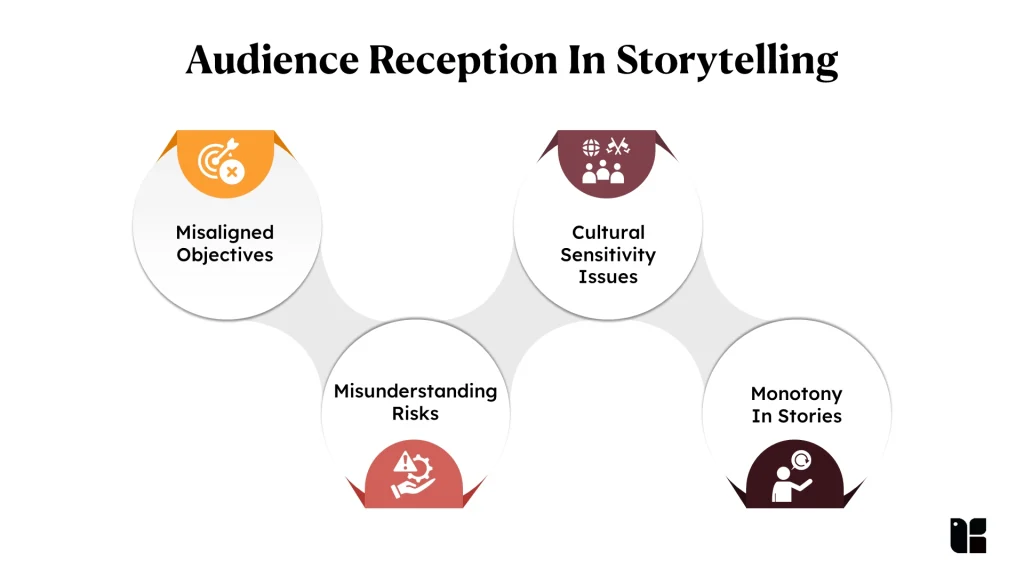
Misaligned Objectives
Sometimes, the focus on crafting a compelling story can stray from the intended goals. For example, a story aimed at raising awareness about a social issue might end up focusing more on the storyteller’s personal journey rather than the issue itself. This misalignment can dilute the impact and effectiveness of the message.
Misunderstanding Risks
Stories can be misunderstood, leading to confusion. When the audience interprets the story differently than intended, the main message can get lost. This risk arises because everyone brings their own experiences and perspectives to a story, which can alter how they understand it.
Cultural Sensitivity Issues
Stories might not always fit well with different cultures or contexts. What works in one setting might not work in another due to varying cultural norms or expectations. This can lead to misunderstandings or even offence if the story doesn’t align with the audience’s background.
Monotony In Stories
Stories that become repetitive or monotonous can quickly lose their charm. If the narrative doesn’t change or introduce new elements, it can feel dull and uninteresting, making it hard for the audience to stay engaged.

Why Does Storytelling Require Intensive Effort?
The intensive requirements of storytelling can be a major drawback, particularly regarding the resources it demands. Let’s look at how it can be demanding:
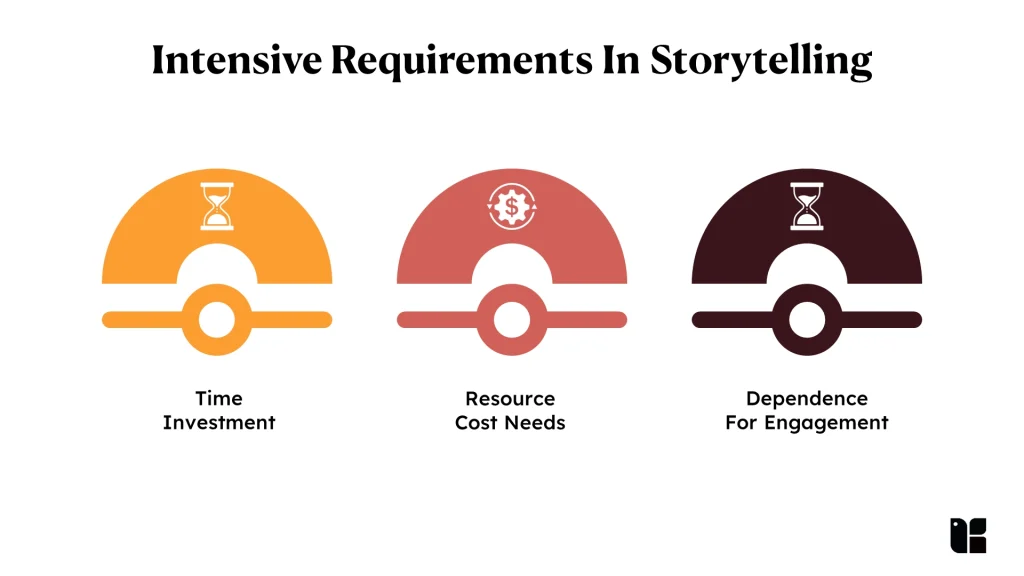
Time Investment
Crafting and delivering a compelling story often requires a significant amount of time. From planning and writing to refining and presenting, the process can be lengthy and demanding, which might not always fit into tight schedules.
Resource Cost Needs
Storytelling, especially in a professional or digital format, can be expensive. Costs may include production, distribution, and technology, which can be a barrier for some and might limit the reach and effectiveness of the storytelling effort.
Dependence For Engagement
Relying too much on storytelling to keep the audience engaged can create a dependency. If stories are always crafted to entertain, the audience may struggle to stay engaged with more straightforward or factual content. It can also set unrealistic expectations for future communications.
Which Narrative Challenges Are Common In Storytelling?
Narrative challenges can complicate the storytelling process in various ways. We’ll examine the different issues that can arise when trying to create a compelling narrative:

Subjective Perspectives
Bias in storytelling can subtly twist the narrative, often without us realising it. When a story is told from one perspective, it can unintentionally emphasise certain details while downplaying others. This selective focus can make the story seem more favourable or unfavourable based on the storyteller’s viewpoint, rather than presenting a balanced view.
Emotionally Driven Content
Focusing too much on emotions can sometimes overshadow the actual message. While emotional stories can be powerful, they might manipulate the audience’s feelings rather than informing them, leading to decisions based on emotion rather than facts.
Oversimplified Narratives
Storytelling often simplifies complex ideas into easy-to-digest stories, which can lead to a loss of important details. While this can make the content more accessible, it may also leave out critical nuances, causing the audience to miss the full picture.
Framing Problems
How a story is framed can influence how it’s received. Framing refers to how the story is presented, which can shape people’s perceptions in specific ways. If the framing is too narrow or biased, it can limit understanding and prevent the audience from seeing the full picture.
“Kapable has elevated my self-awareness to a degree I couldn’t have imagined. Some of the intrinsic aspects they touched upon impacted me emotionally, physically, and psychologically. It was a holistic approach, not just to how you operate at work, but also in your interactions with family and friends. The benefits of joining Kapable have been immense, and the learnings I’ve gained will stay with me for a long time.”
– Sreemoyee Banerjee (Service Delivery Leader At American Express)
How Do Skill-Driven Challenges Affect Storytelling?
Skill-driven challenges in storytelling emphasise how crucial the storyteller’s abilities are to the story’s success. Here are some skill-related hurdles that can affect the storytelling process:
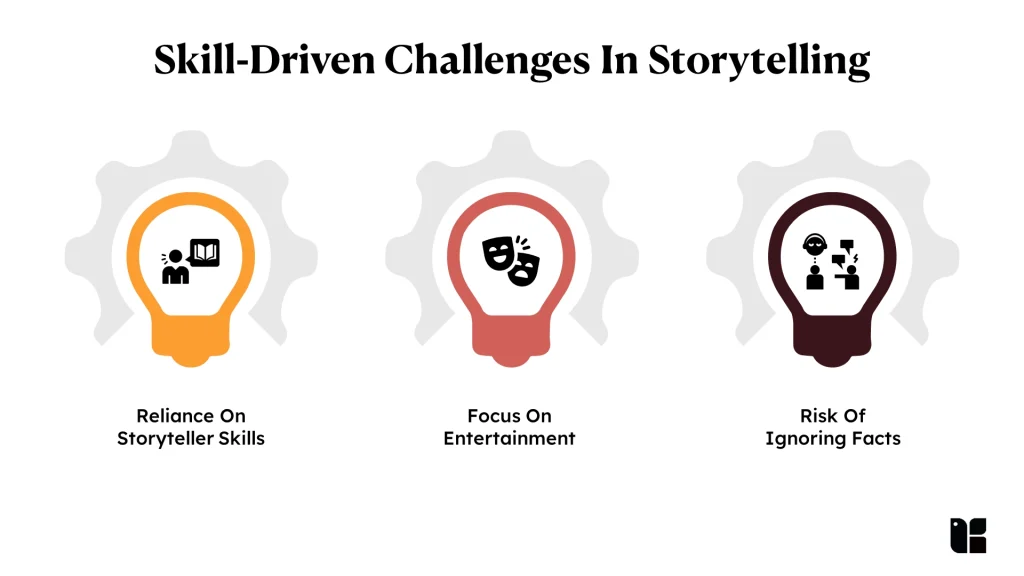
Reliance On Storyteller Skills
The success of a story heavily depends on the storyteller’s abilities. If the storyteller lacks skill or experience, the story may not be effective, no matter how good the content is. This reliance on personal talent can be a significant limitation.
Focus On Entertainment
When storytelling prioritises entertainment above all else, it may divert attention from the core message or important information. This focus can lead to stories that are engaging but lack substance. Without clear messaging, the true value of the story can be lost.
Risk Of Ignoring Facts
Stories that are overly entertaining might downplay or even ignore factual accuracy. This can mislead the audience and result in the spread of incorrect or incomplete information. The balance between excitement and accuracy is crucial to maintain credibility.
In summary, while storytelling can be a powerful tool, its various challenges, from audience reception to intensive requirements and narrative complexities, highlight its potential limitations. Next, we’ll examine how storytelling specifically falls short in educational settings.
The limitations of storytelling often arise from how it is used, not from the method itself. Kapable helps professionals understand when storytelling adds value and when a more direct approach is more effective.
How Is Storytelling Applied In Teaching?
While storytelling is a popular teaching tool, it comes with certain drawbacks that can impact its effectiveness in educational settings.
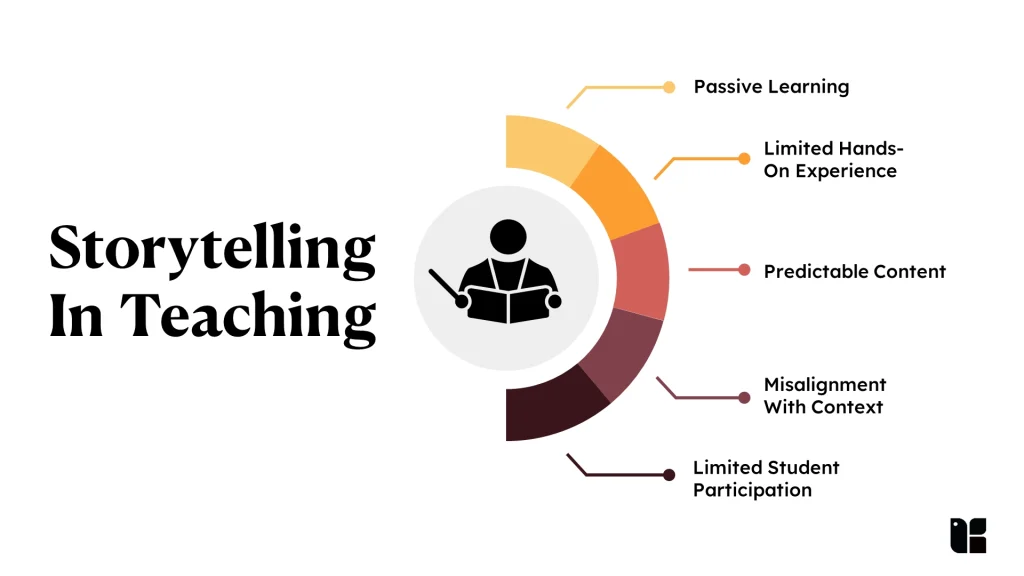
Passive Learning
Storytelling can sometimes lead to passive learning, where students merely listen without actively engaging with the material. This approach might not encourage critical thinking or deeper understanding. When students are not actively involved, retention and application of knowledge can be limited.
Limited Hands-On Experience
Relying heavily on storytelling in teaching might reduce opportunities for hands-on learning. Practical exercises and interactive activities are often necessary to reinforce theoretical knowledge. Without these experiences, students may struggle to apply what they’ve learned in real-life scenarios.
Predictable Content
Stories used in teaching can become predictable if they follow the same patterns or themes. This predictability can diminish interest and reduce the impact of the lesson. Engaging students requires varying teaching methods and ensuring the content remains fresh and stimulating.
Misalignment With Context
Sometimes, stories used in teaching may not fit the specific context or needs of the students. If the story doesn’t align with the current curriculum or real-world applications, it might not effectively convey the intended lesson. Ensuring that stories are relevant and applicable to the students’ learning objectives is essential.
Limited Student Participation
Over-reliance on storytelling can lead to limited opportunities for students to actively participate. Interaction and engagement are crucial for effective learning. When storytelling dominates, students might not get enough chances to contribute, ask questions, or explore concepts on their own.
By being aware of these disadvantages, educators can better integrate storytelling into their method of teaching, ensuring it enhances learning rather than hinders it.
What Strategies Help Overcome The Disadvantages Of Storytelling?
To effectively address the common problems with storytelling, we need to use practical and actionable strategies. These approaches help us to make the most out of storytelling while avoiding its pitfalls.
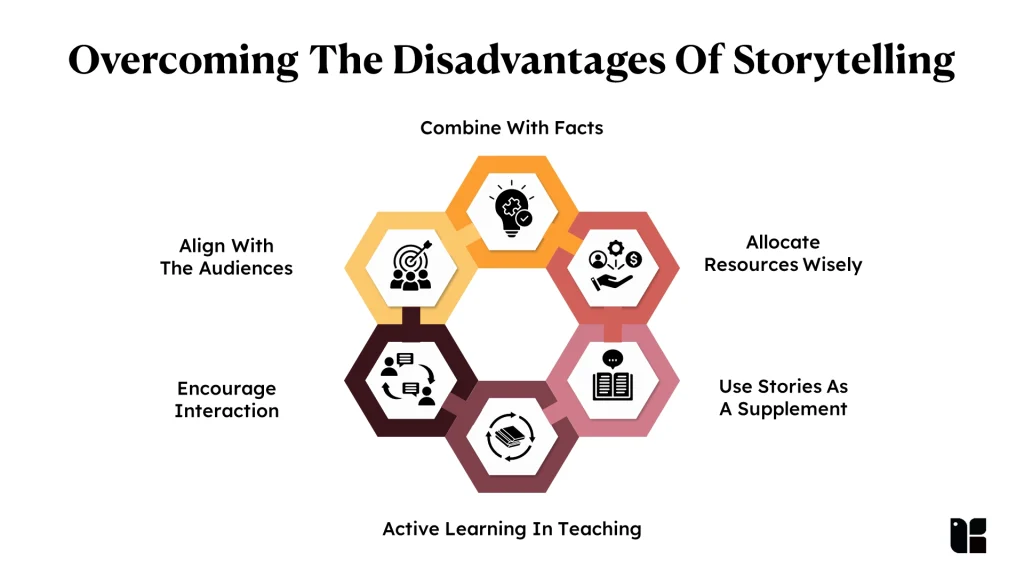
- Combine with facts
It’s crucial to strike a balance between emotion and logic, ensuring your message is both compelling and credible. To address the oversimplification of storytelling, blend narrative elements with data and facts. This combination enhances credibility and ensures that your story supports factual accuracy. Use logos (logical appeals) to present data and evidence alongside your story, making it more persuasive and grounded. - Align with the audiences
Tailor your stories to fit the cultural and social contexts of your audience. Before crafting your story, take time to analyse and understand your audience’s background, needs, and preferences. This step allows you to adjust your message and storytelling techniques to align with their expectations, making your communication more effective and minimising the risk of cultural insensitivity. - Encourage interaction
To keep your audience engaged and actively involved in your storytelling, foster a two-way dialogue by asking questions, inviting feedback, or incorporating audience participation into your storytelling. This could involve live polls, Q&A sessions, or even prompting the audience to share their own related experiences. Engaging your audience directly keeps them attentive and makes the storytelling experience more dynamic and interactive. - Active learning in teaching
To make storytelling more effective in teaching, it’s crucial to blend it with hands-on activities that promote deeper understanding. Combine storytelling with interactive exercises, such as group discussions, problem-solving tasks, or role-playing. This approach allows students to apply the concepts from the story in real-life scenarios, reinforcing their learning through experience. - Use stories as a supplement
It’s crucial to ensure that your storytelling doesn’t just entertain but also serves a clear purpose. Treat storytelling as one of the many tools in your presentation, not the sole method. Use stories to introduce or illustrate concepts, but ensure that they are supported by other active learning strategies like experiments, case studies, or hands-on projects. This balance helps students grasp the material more thoroughly. - Allocate resources wisely
Create a detailed plan outlining all required resources and budget. Identify and eliminate unnecessary expenses, such as excessive high-tech equipment or overly elaborate setups that don’t add value to the story’s impact. Focus spending on essential elements like quality content creation tools and necessary promotional materials that enhance storytelling effectiveness.
By addressing these challenges with targeted strategies, you can enhance storytelling’s effectiveness and ensure it delivers both value and engagement.
What Are The Advantages Of Effective Storytelling?
Effective storytelling, when done right, offers numerous benefits. Let’s explore how applying the right strategies can turn storytelling into a powerful tool for communication and engagement.

- Deeper emotional connection
When storytelling is done well, it feels personal and touching. It creates a bond where the audience genuinely cares about what are the details which they relate to. This connection can make your message more impactful and memorable because it speaks directly to their feelings. - Skillful delivery
Good storytelling makes your message clear and interesting. It helps you explain complicated ideas in a simple way that grabs attention. When done right, storytelling makes your points come alive, so your audience grasps and enjoys the content. - Increased influence
Telling stories well can make you more convincing. It shows that you can communicate effectively and understand your audience’s needs. This skill boosts your ability to persuade and lead because your message resonates and feels genuine. - Sustained audience interest
Stories keep people hooked. Instead of losing interest, your audience stays engaged because the story captures their attention. When you tell a story right, it keeps people wanting to hear more and makes your message memorable.
Focusing on the advantages of effective storytelling allows us to utilise its full potential. This ensures that our stories are engaging, impactful, and leave a lasting impression on our audience.
Conclusion
It is important to recognise that while storytelling has its limitations and challenges, understanding these aspects can greatly enhance its effectiveness. Invest in targeted training programs to enhance key storytelling. Concentrate on improving areas such as narrative structure, audience engagement techniques, and clear, impactful communication. Embracing a balanced approach, where emotion and logic complement each other, where context and engagement are finely tuned, can transform storytelling from a mere technique into a powerful tool for communication. Ultimately, when storytelling is done right, it does more than just entertain; it deeply connects, informs, and inspires action.
Every communication method has strengths and limitations, and storytelling is no exception. Kapable offers a practical approach to choosing the right communication style for every audience and situation.


