


TL;DR
- Foundational Trust: Integrity is the cornerstone of effective individual leadership, demonstrated by consistent, values-based actions that build loyalty, earn respect, and inspire an ethical culture among team members.
- Sustainable Business Success: In the corporate world, leading with integrity is essential for long-term health, establishing strong credibility that attracts talent, secures customer loyalty, and ensures legal and financial soundness.
- Risk and Fallout: The absence of integrity severely damages an organisation, resulting in a deep loss of stakeholder trust, a tarnished reputation, decreased employee productivity, and increased turnover and legal risk.
- Cultivation Strategies: Leaders can create this value by setting a personal example of accountability, encouraging open communication, clearly defining and reinforcing ethical standards, and rewarding honest conduct.
Did you know that 75% of people believe integrity is one of the most important qualities in a leader? In any organisation, a lack of integrity can quickly weaken trust and hinder success. This blog explores how ethical decisions, transparency, and consistency help build strong leadership and lasting success, showing why integrity is essential for long-term impact.
What Is Integrity In Leadership?
Integrity is the cornerstone of strong leadership. It’s about staying true to your values, even when no one is watching. Leaders with integrity build trust, inspire loyalty, and create fairness. Without it, leadership feels uncertain, but with it, leaders earn respect and commitment.
A leader’s integrity is shown through their actions, such as keeping promises, admitting mistakes, and making decisions based on strong values. This builds trust and reassures people that they are fair and reliable. To truly lead with integrity, leaders must be actively involved in decision-making so others can trust their judgment. Instead of relying on quick fixes, they focus on long-term solutions, earning respect because their actions consistently align with their principles.

How Does Integrity Impact Individual Leadership?
Integrity is a key trait for leaders, directly influencing their effectiveness, credibility, and ability to inspire others. Leaders who act with honesty and ethical standards create a culture of trust and accountability. Here’s how integrity impacts individual leadership:
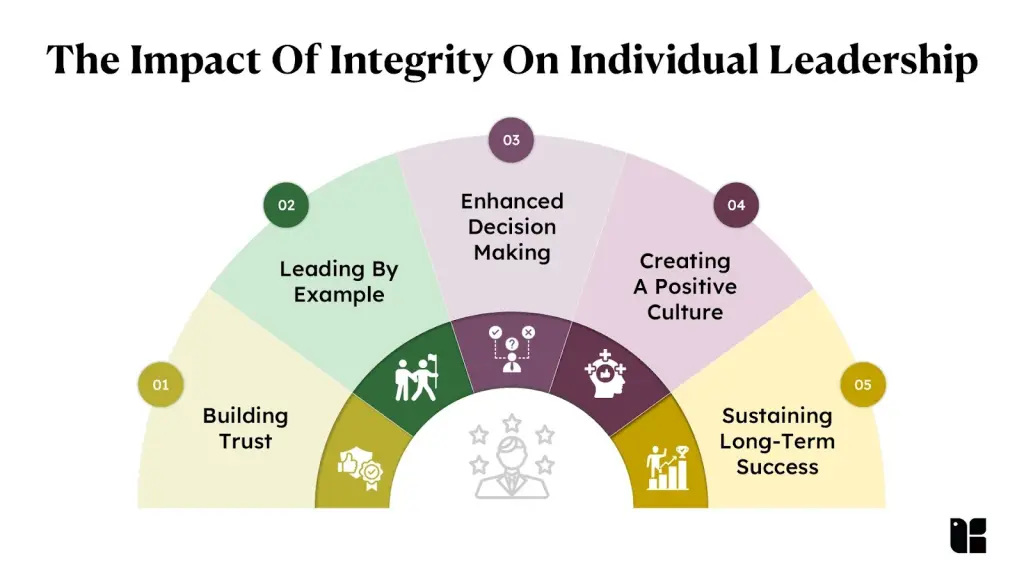
- Building trust: Leaders who demonstrate integrity earn their team’s trust, promoting open communication and collaboration.
- Leading by example: Integrity-driven leaders set the tone for ethical behaviour, inspiring others to follow their example.
- Enhanced decision-making: Integrity ensures fair, informed decisions that align with company values and guide leaders through challenges.
- Creating a positive culture: Leaders with integrity foster a transparent, fair environment, boosting morale and encouraging high performance.
- Sustaining long-term success: Integrity builds lasting relationships, strengthening a leader’s influence and ensuring alignment with organisational goals.
The influence of integrity on individual leadership sets the stage for understanding its broader impact on organisational culture and success.
Role Of Integrity In Individual Leadership
If you want to make a lasting impact, consider the power of leadership by example and make choices that reflect true integrity. Here is how it plays a pivotal role in shaping a leader’s actions, decisions, and relationships:

- Guiding ethical decision-making: Integrity ensures that leaders make decisions based on values, not just profits or convenience. This allows leaders to prioritise the well-being of their teams and the organisation, even in challenging circumstances.
- Fostering trust with respect: A leader who practices integrity earns trust and respect from their team. When leaders act consistently and transparently, their followers feel secure in their leadership, which leads to stronger relationships and increased loyalty.
- Creating accountability: Leaders with integrity set high standards for themselves and their teams. This encourages accountability, as everyone knows what is expected of them and that the leader will uphold these standards fairly.
- Inspiring others: Integrity in leadership is contagious. When leaders consistently demonstrate ethical behaviour, it inspires others to do the same. This creates a positive work environment where everyone is motivated to act with honesty and fairness.
- Maintaining consistency in tough times: In difficult or high-pressure situations, leaders with integrity remain true to their principles. This helps guide their decisions and actions, ensuring they are aligned with the company’s values and long-term goals, even when facing adversity.
For instance, Ratan Tata, former chairman of Tata Group, exemplifies integrity in leadership. Under his guidance, Tata Group focused on ethical practices, corporate social responsibility, and transparency. A notable example is the launch of the Tata Nano, where Tata ensured high quality and safety standards despite cost pressures. In 2008, his decision to acquire Jaguar Land Rover, despite doubts, was driven by a vision for ethical growth and preservation of brand values.
Building on the foundational importance of integrity in personal leadership, the next step is to explore how this core value translates into effective leadership within the complexities of the corporate world.
“I knew I had to overcome my fear of being judged on how I speak. Kapable’s sessions helped me organise my thoughts and articulate them clearly. I now confidently present ideas and communicate effectively with my team and external partners, creating a remarkable change in my workplace.”
– Anandi Kapoor (Private Label Head At KW)
What Does It Mean To Lead With Integrity In The Corporate World?
Success in business goes beyond profits; it’s about how companies achieve them. Ethical leadership, grounded in integrity, ensures that success is both profitable and sustainable. Here’s why ethical leadership is crucial for long-term business success and the role integrity plays in corporate governance. Ethical leadership is crucial for long-term business success in the following ways:

- Strong credibility: Ethical leadership builds trust, making employees, customers, and stakeholders feel confident in the company’s values and direction.
- Attracting top talent: People want to work for companies that align with their values. Ethical leadership creates a motivated, engaged workforce.
- Customer loyalty: When businesses prioritise ethics, customers are more likely to stay loyal and recommend the brand.
- Sustainable reputation: Integrity leads to long-term success, helping companies build a strong, reliable reputation in the market.
As we examine how integrity shapes leadership in the corporate world, it’s crucial to understand its specific role and influence within the broader framework of corporate leadership.
The Role Of Integrity In Corporate Leadership
Integrity is the foundation of strong leadership and good corporate governance. When a company acts honestly and openly, it builds trust and sets itself up for long-term success. Here’s how integrity plays a key role:

- Informed decision-making: Integrity ensures that decisions are made fairly and transparently. This helps protect the company’s reputation and keeps everything in good financial health. It also makes it easier to hold leaders accountable for their choices, ensuring decisions align with the company’s values and long-term goals.
- Legal compliance: Ethical companies follow the rules, which keeps them out of legal trouble. This not only helps avoid expensive problems but also builds the company’s reputation for being trustworthy. By following regulations, companies reduce risks and show they’re committed to doing the right thing.
- Strong relationships: Transparency helps build trust with everyone involved, including investors, customers, and the public. When people trust a company, they’re more likely to stick around and support it for the long haul. Integrity ensures these relationships are built on honesty, strengthening loyalty and encouraging long-term engagement.
- Proactive risk management: Integrity leads to open discussions about risks, allowing companies to tackle problems before they grow too big. This helps companies stay prepared for challenges that may come their way. By being upfront about potential risks, businesses are better equipped to address them swiftly and efficiently.
- Fair workplace: Ethical leadership creates a fair and welcoming environment for everyone. When employees feel valued and treated fairly, they are more likely to stay with the company and work hard. Integrity ensures that the workplace remains inclusive and supports equal opportunities for all employees.
For instance, Infosys stands as a great example of a company that thrives through integrity. In the early 2000s, Infosys prioritised transparency by openly disclosing financial practices and building trust among stakeholders. This commitment to ethical practices helped Infosys grow, attract top talent, and maintain a loyal customer base, proving that integrity leads to lasting success.
While integrity serves as the cornerstone of effective corporate leadership, its absence can lead to significant challenges and repercussions that undermine trust and organisational success.
Learn how Kapable’s leadership approach helps professionals develop integrity and ethical decision-making through practical leadership experiences.
What Are The Consequences Of Lacking Integrity In Leadership?
When integrity is absent in leadership, the consequences can be far-reaching, impacting not only the leader’s reputation but also the organisation’s culture, trust, and long-term success. Leaders who lack integrity often:
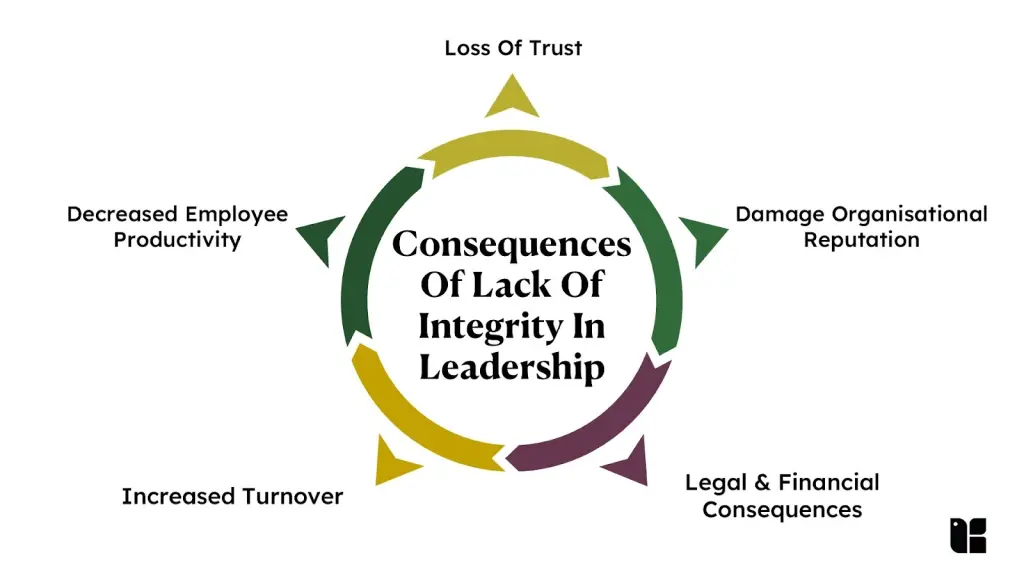
- Loss of trust: Trust is foundational in any organisation. Without integrity, leaders lose the trust of their employees, clients, and stakeholders. This creates a toxic work environment where employees feel uncertain and disengaged, leading to poor collaboration and increased conflict.
- Damage organisational reputation: A leader’s unethical behaviour can damage the entire organisation’s reputation. Clients, investors, and partners may distance themselves, leading to lost opportunities and strained relationships, which can take years to rebuild.
- Decreased employee productivity: When leaders act without integrity, employees may mirror this behaviour or feel demotivated. This results in lower morale, reduced engagement, and diminished productivity, ultimately affecting the organisation’s overall performance.
- Increased turnover: Integrity issues often lead to higher employee turnover, as talented individuals seek workplaces where honesty and ethical behaviour are prioritised. This constant churn creates disruption and additional costs related to recruitment and training.
- Legal and financial Consequences: Leaders without integrity can make decisions that may lead to legal trouble or financial losses for the organisation, such as regulatory violations or fraudulent activities. These actions can also harm the company’s ability to secure future funding or investments.
Understanding the consequences of a lack of integrity in leadership highlights the urgent need for proactive strategies to cultivate and reinforce integrity within leadership practices.
How Can Leaders Foster Integrity Within Their Teams And Organisations?
With a commitment to the truth in order to become a person of trust and fostering integrity in leadership is essential for building trust and ensuring long-term success. Here are some strategies leaders can adopt to reinforce integrity in their actions and influence:

Lead By Example
Leaders should set the standard by practising integrity in everything they do, whether it’s making decisions or owning up to mistakes. When leaders stay true to their values, it encourages others to do the same. Showing accountability for errors also teaches that integrity means learning from setbacks, not avoiding them. This consistency builds a foundation of trust that spreads throughout the organisation.
Encourage Open Communication
Fostering an environment where employees feel comfortable sharing their thoughts and concerns is key. Leaders can do this by being approachable and open to feedback, whether through regular meetings or informal check-ins. This creates trust and encourages honesty within the team. When employees feel heard, they’re more likely to align their actions with the organisation’s values.
Set Clear Ethical Standards
Leaders need to clearly define what ethical behaviour looks like and communicate those expectations regularly. This helps employees understand what’s expected and why it matters. Revisiting these standards through discussions and real-life examples ensures everyone is aligned and understands the importance of ethics. By doing so, leaders create a shared commitment to ethical practices across the organisation.
Promote Accountability
Accountability should go both ways; leaders and employees must take responsibility for their actions. Clear expectations and consistent follow-through help maintain integrity across the team. When mistakes happen, leaders should address them openly, reinforcing that integrity is about doing the right thing, even when it’s tough. This approach fosters a culture where honesty and responsibility are valued at all levels.
Reward Ethical Behaviour
Recognising and rewarding ethical actions reinforces the importance of integrity. Public praise, bonuses, or promotions for ethical behaviour can motivate others to act similarly. Peer recognition programs also help build a culture of integrity, where employees encourage each other to uphold ethical standards. This creates a positive cycle where integrity becomes a core value shared by everyone.
Creating a culture of integrity starts with developing the right leadership capabilities, and Kapable’s eligibility guide can help you determine whether the program is right for you.
Understanding the strategies to foster integrity is essential, but real-world examples show how these principles play out in leadership. Let’s explore case studies that highlight integrity in action.
Which Real-Life Case Studies Demonstrate Integrity In Leadership?
Integrity shapes leadership that lasts. These real-life case studies reveal its impact on individuals and organisations, influencing trust and success:

Johnson & Johnson
In 1982, Tylenol painkillers were poisoned, leading to seven deaths. Johnson & Johnson immediately recalled 31 million bottles, even though it cost $100 million. Instead of hiding the issue, CEO James Burke warned the public and introduced tamper-proof packaging, which later became an industry standard. Within a year, Tylenol regained its top market position, proving that honesty and consumer safety matter more than short-term profits.
Siemens
In the early 2000s, Siemens was caught bribing officials to win contracts. The company was fined $1.6 billion and lost public trust. To fix this, Siemens fired 500+ employees, hired a new CEO, and introduced strict rules against corruption. By admitting its mistakes and enforcing honest practices, Siemens rebuilt its reputation and is now known for ethical business.
Conclusion
Integrity in leadership is essential for long-term success. Leaders who prioritise honesty, transparency, and accountability foster trust, inspire loyalty and create ethical cultures. By making decisions rooted in integrity, they build a strong foundation for sustainable growth and set a positive example that encourages others to follow suit. It’s about creating a legacy of trust and responsibility that extends throughout the organisation.


