


TL;DR
- IDP Fundamentals: An Individual Development Plan is a structured roadmap for personal and professional growth, designed to identify strengths, weaknesses, and a clear path to becoming an impactful leader.
- Key Benefits: IDPs drive enhanced employee engagement, build a strong leadership pipeline, and increase individual self-awareness and career satisfaction for all roles, from employees to managers.
- 5-Step Creation Process: Charting an IDP involves a structured process: honest Self-Assessment, defining SMART (Specific, Measurable, Achievable, Relevant, Time-bound) Goals, outlining Action Steps, securing Resources, and continuously Monitoring Progress.
- Customised Application: The blog provides a detailed, two-table template and examples demonstrating how IDPs are tailored for different organisational roles (Employee, Leader, Manager) and company types (Tech, Retail, Manufacturing).
A recent study found that 54% of Learning and Development (L&D) professionals agree that internal mobility has become a higher priority since the pandemic. In today’s highly competitive workplace environment, where skills are constantly evolving, organisations value employee mobility more than ever.
This shift emphasises the value of individual and professional development within organisations. This highlights the role of Individual Development Plans in guiding your professional development journey.
This blog will guide you, outlining a step-by-step process for creating a personal development plan supporting your leadership path. We’ll talk about self-assessment, the value of SMART goals, actionable steps you can take in personal and professional development, and continuous progress tracking. By the end of this blog, you will have the knowledge and tools you need to chart your way to leadership success.
What Is An Individual Development Plan For Leadership?
Imagine having a customised plan that helps you identify areas for improvement, set achievable goals, and track your progress towards becoming a more impactful leader. That’s the power of an Individual Development Plan (IDP).
An Individual Development Plan is a structured document outlining personal and professional goals and the steps needed to achieve them. It serves as a roadmap for self-improvement, identifying strengths, weaknesses, and areas for growth. The IDP typically includes specific objectives, timelines, and strategies for skill development, career advancement, or personal development. This plan is personalised to an individual’s aspirations and serves as a tool for continuous learning and professional growth.
It also underscores the importance of employees enhancing their current job roles by evaluating their existing skills. This performance evaluation empowers them to capitalise on present development opportunities while strategically planning for future growth and development.

How Does An Individual Development Plan Work?
Let’s look at the key components that make an Individual Development Plan (IDP) the ultimate solution for personal and professional growth for employees:

- Sets Clear Goals: Clear goals provide direction and purpose. They help individuals focus their efforts on specific outcomes they want to achieve, whether it’s acquiring new skills, taking on more responsibilities, or advancing their careers. This clarity ensures that efforts are aligned with personal and organisational objectives.
- Identifies Strengths and Areas for Improvement: By assessing strengths and weaknesses, individuals can leverage their existing skills and talents while identifying areas for improvement. This self-assessment helps create targeted development activities that effectively address skill gaps.
- Creates Actionable Steps: An IDP breaks down big goals into manageable tasks and action steps. This makes the development process more achievable and less overwhelming. Each action step serves as a milestone towards the larger goal, providing a sense of progress and accomplishment along the way.
- Tracks Progress: Regularly monitoring and evaluating progress is essential for staying on track and making necessary adjustments. It allows individuals to celebrate successes, learn from setbacks, and make informed decisions about their development journey.
- Proactive Learning and Development: Individuals become proactive learners by taking ownership of their development. They seek opportunities for learning and skill enhancement through formal training, mentoring, job rotations, or self-study. This proactive approach not only benefits the individual in terms of personal growth but also contributes to the organisation by fostering a culture of continuous improvement and innovation.
Ultimately, an effective IDP enhances individual capabilities, boosts job satisfaction and motivation, and aligns personal development with organisational goals. It ensures that individuals learn the skills and competencies needed to contribute meaningfully to their roles and achieve long-term career success.
By understanding how an IDP can benefit individuals and organisations, we can create personalised development plans that perfectly align with our career aspirations.
An individual development plan is most effective when it leads to consistent action rather than remaining a written document. See how Kapable helps leaders translate development goals into measurable progress.
How Can You Benefit From An Individual Development Plan?
Investing in leadership development through Individual Development Plans (IDPs) offers numerous advantages for organisations, making it a worthwhile investment in the present and future.
Here’s a closer look at the key benefits:

- Building a Strong Leadership Pipeline: IDPs help identify future leaders within the organisation. By providing a structured framework for development, organisations can ensure a pool of well-prepared individuals ready to take on leadership roles as opportunities arise. This not only promotes internal mobility and career goals but also mitigates the risk of relying solely on external recruitment.
- Enhanced Employee Engagement: IDPs foster a culture of continuous learning and development within the organisation. Employees become more engaged and motivated when they feel invested in their growth and have a clear path to advancement. This increases productivity, morale, and a more positive work environment.
- Reduced Employee Turnover: By demonstrating a commitment to employees’ personal and professional development, organisations can attract and retain top talent. IDPs show employees that their growth and potential are valued, leading to higher job satisfaction and a decreased likelihood of them seeking opportunities elsewhere. According to SHRM, development programs can reduce employee turnover, enhance recruitment, and improve performance and the work environment.
- Enhanced Innovation and Creativity: These plans encourage employees to identify their strengths and explore new areas of interest, which can foster a culture of innovation and creativity for an organisation’s strategic objectives. This can lead to developing new ideas, solutions, and approaches to challenges, ultimately driving employee growth.
- Boosted Employer Brand: Organisations that invest in employee development through IDPs demonstrate a commitment to their workforce. This can attract top talent and enhance the organisation’s employer brand, making it a more desirable workplace.
- Improved Succession Planning: IDPs provide valuable insights into the strengths, weaknesses, and aspirations of individuals within the organisation. This information can be used for effective succession planning, ensuring a smooth transition of leadership roles when needed.
With the clear advantages of IDPs for organisations in mind, it’s crucial to understand why you, as an individual, should also actively invest in creating your own IDP.
“I knew I had to overcome my fear of being judged on how I speak. Kapable’s sessions helped me organise my thoughts and articulate them clearly. I now confidently present ideas and communicate effectively with my team and external partners, creating a remarkable change in my workplace.”
– Anandi Kapoor (Private Label Head At KW)
Why You Need An Individual Development Plan
Beyond enhancing the company’s reputation as a top employer, these development plans empower individuals to take charge of their career trajectories. As IDPs facilitate talent retention and development, they also offer individuals a structured path towards achieving personal career aspirations.

- Enhanced Self-Awareness: Through self-assessment and reflection, an IDP enhances your self-awareness by identifying your strengths, weaknesses, and areas for growth. This clarity allows you to focus on developing the most relevant and beneficial skills to your career advancement.
- Goal Clarity and Direction: Setting clear and measurable objectives in your IDP provides clarity and direction in your career journey. It helps you focus on achieving milestones and ensures that your efforts align with your long-term professional objectives.
- Increased Motivation and Accountability: A structured IDP increases your motivation for continuous learning and growth. It holds you accountable for your development by setting deadlines and milestones, making tracking progress easier and staying committed to your goals.
- Empowerment and Career Satisfaction: Taking ownership of your development through an IDP empowers you to shape your career path actively. As you achieve milestones and acquire new skills, you’ll experience increased job satisfaction and a sense of fulfilment in your professional network.
With the understanding of the immense benefits IDPs offer, you’re probably eager to create your own personalised plan for leadership development. However, it’s important to recognise that the focus and goals will vary depending on your current position within the organisation. Let’s learn how to write our development plans.
What Does This Guide Offer To Employees, Leaders & Managers?
While the core elements of an IDP remain consistent, the specific focus and goals will naturally differ depending on your position within the organisation. Let’s explore how to tailor your IDP to maximise its effectiveness:
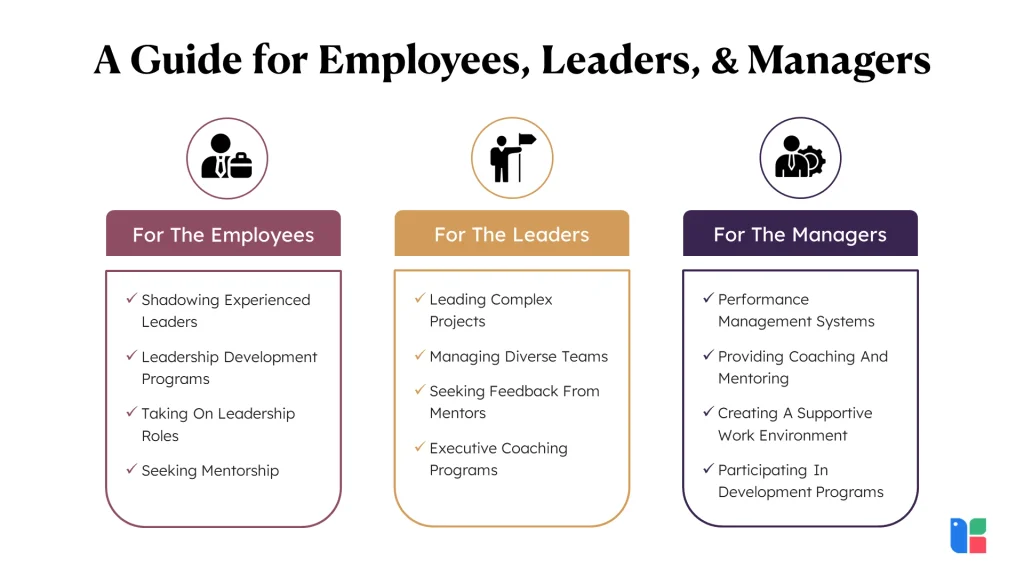
For The Employees:
For an aspiring leader, an employee development plan should focus on building a strong foundation of essential leadership skills. Think about areas like communication, teamwork, and problem-solving. Your goals could include:
- Shadowing Experienced Leaders: Observe their behaviours and communication styles to gain valuable insights.
- Leadership Development Programs: Seek out workshops, training sessions, or online courses for skill enhancement.
- Taking On Leadership Roles: Volunteer for opportunities to lead small teams or initiatives, even within your current role.
- Seeking Mentorship: Find a mentor who can provide guidance, support, and feedback on your leadership development journey.
For The Leaders:
Your IDP should focus on refining your advanced leadership skills if you’re already in a leadership role. Think about areas like strategic thinking, decision-making, and conflict resolution. Your goals could include:
- Leading Complex Projects: Take on challenging projects that require strategic planning, effective communication, and the ability to navigate complex situations.
- Managing Diverse Teams: Foster a collaborative approach and inclusive environment where everyone feels valued and heard within cross-functional collaborations.
- Seeking Feedback From Mentors: Regularly solicit feedback from your team members and mentors to identify areas for improvement and gain different perspectives.
- Executive Coaching Programs: Invest in personalised coaching to develop your leadership style, communication skills, and emotional intelligence.
For The Managers:
A manager’s individual development planning should focus on building a high-performance culture and fostering employee development. Your goals could include:
- Performance Management Systems: Create a framework for setting clear goals, providing regular feedback, and recognising achievements.
- Providing Coaching And Mentoring: Invest in your team members’ growth by offering guidance, acknowledging the team’s success, and opportunities to learn and develop by developing mentoring skills.
- Creating A Supportive Work Environment: Foster a culture of trust, collaboration, and open communication where everyone feels empowered to contribute.
- Participating In Development Programs: This includes leadership development programs focused on team management and employee engagement. Enhance your skills in motivating and inspiring your team, building trust, and fostering a positive work environment.
As you progress and develop skills in a leadership role, your goals and action steps will naturally evolve. The key is to maintain a proactive approach and continuously refine your plan to align with your aspirations and the organisation’s needs.

How To Chart Your Development Plan?
Charting Individual Development plans involves planning and navigating your career growth towards leadership roles. It begins with defining specific career development objectives and then strategizing actionable steps to acquire essential skills and experiences aligned with your aspirations. Let’s start by outlining each step to guide you through the IDP process:
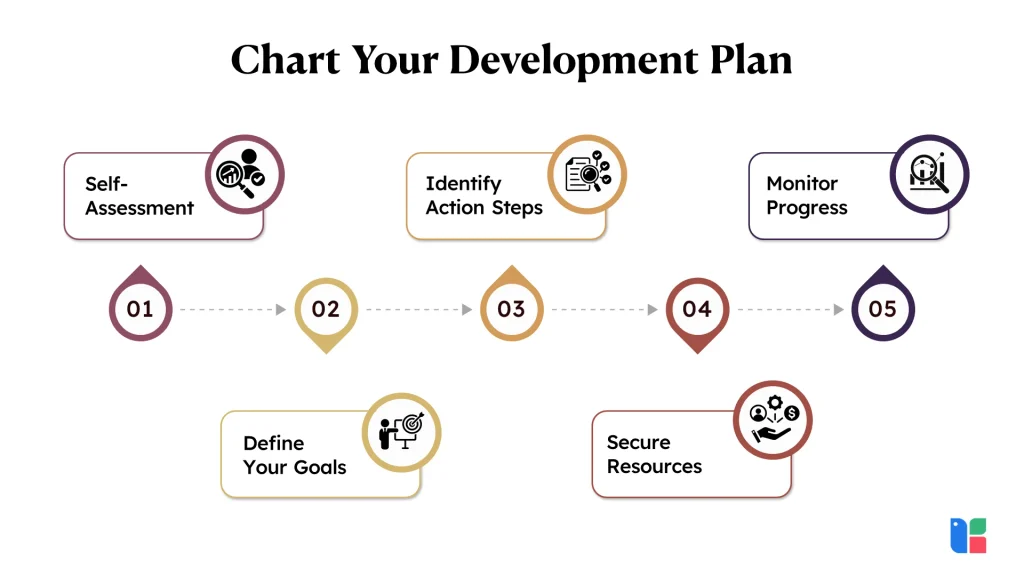
Step 1: Self-Assessment
Before starting your leadership journey, an honest assessment of your strengths, weaknesses, and current skills, including both interpersonal and technical skills, forms the foundation for your IDP. Here are some key questions to guide your self-assessment:
- What are you naturally good at? What skills and qualities do others admire in you?
- Where do you see room for improvement? Are there areas where you struggle or lack confidence?
- What kind of leader do you want to be? What leadership qualities do you admire most?
Self-reflection enhances self-assessment by providing deep insights into your goals, strengths, weaknesses, and effectiveness. It forms the basis for making informed evaluations of your progress, learning, and development over time.
Self-Reflection Hacks:
Here are a few Self Reflection hacks to critically assess yourself:
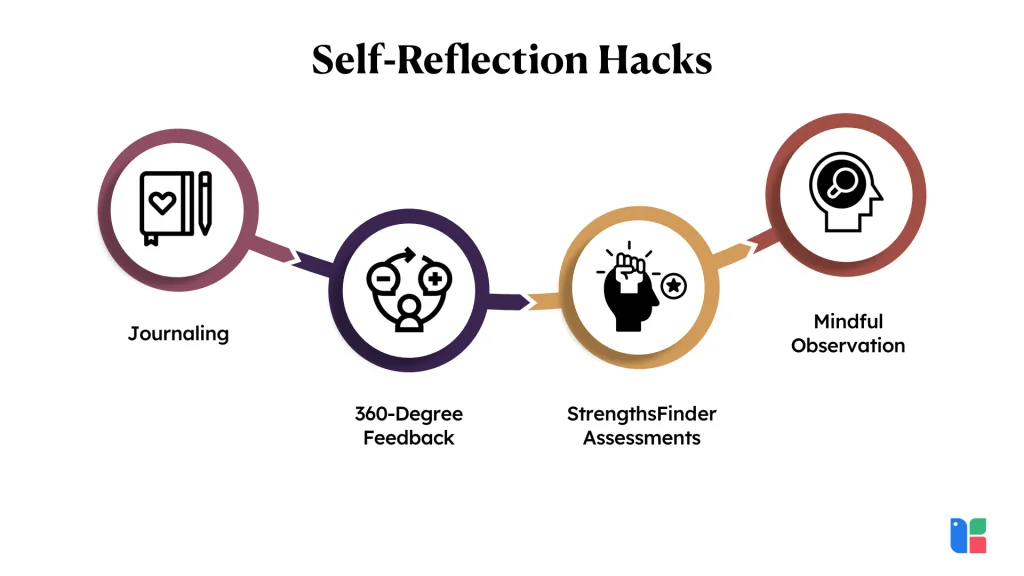
- Journaling: Dedicate time to journaling your thoughts, experiences, and leadership observations regularly. This can help you identify patterns, track progress, and gain deeper insights into your strengths and areas for growth.
- 360-Degree Feedback: Seek feedback from colleagues, mentors, and direct reports. This can provide valuable and diverse perspectives on your leadership style and areas for development.
- Strengthsfinder Assessments: Consider taking personality and strengths assessments like the CliftonStrengthsFinder to understand better your natural talents and how they can be applied to leadership.
- Mindful Observation: Consider your reactions and behaviours in different situations. This can help you identify areas where you excel and areas where you might need to adjust your approach.
By taking the time for honest self-reflection and utilising these hacks, you’ll better understand your starting point and identify the areas where you can focus your development efforts.
With a clear understanding of your strengths and weaknesses, it’s time to translate your aspirations into actionable steps. Enter the power of SMART goals.
Step 2: Define Your Goals – Make Them SMART
SMART stands for Specific, Measurable, Achievable, Relevant, and Time-bound. By setting your leadership development goals using this framework, you ensure they are clear, focused, and achievable, guiding you towards tangible progress.
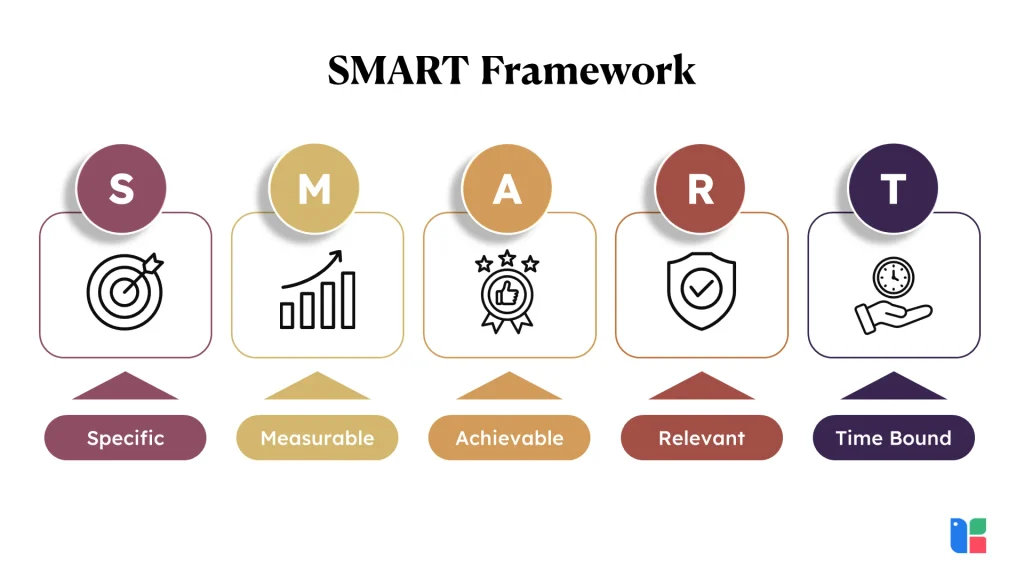
Here’s how to apply the SMART framework:
- Specific: Define clear objectives about what you want to achieve. Instead of “improve my communication skills,” be specific: “I will actively listen to my team members and provide clear, concise feedback during team meetings.”
- Measurable: Establish how you will track your progress. Use metrics, data, or observations to gauge your success. For Example, “I will track the number of times I actively listen and provide feedback during meetings each week.”
- Achievable: Set goals that are challenging yet attainable within your current context and resources. Set realistic timelines and capabilities.
- Relevant: Ensure your goals align with your overall leadership aspirations and the organisation’s needs. Only pursue goals that are relevant to your career objectives or the organisation’s objectives.
- Time-bound: Set a specific timeframe for achieving your goals. This creates a sense of urgency and helps you stay on track. For Example, “I will achieve this goal within the next six months.”
Writing down your SMART goals transforms your aspirations into a roadmap for tangible progress.
Let’s take an example: You want to become more decisive as a leader. You can set a SMART goal for it like this: “I will make at least two key decisions per week related to team projects or initiatives, clearly outlining the rationale behind each decision. I will track the number of decisions made and make a structured document of the reasoning behind each one.”
Start with smaller decisions and gradually increase the complexity as you become more comfortable. This goal directly aligns with your desire to become more decisive and improve your leadership abilities. Finally, set a specific timeframe, such as “I will track my progress for the next month and adjust my approach as needed.”
With your SMART goals clearly defined, it’s time to break them down into action steps.
Step 3: Identify Action Steps
Let’s move on to the next step, breaking down those goals into actionable steps. Think of these steps as the smaller building blocks leading you to achieve your overall goal. For Example, if your goal is to improve your communication skills, some action steps could include:
- Actively listening: Practice techniques like making eye contact, nodding, and summarising key points during conversations.
- Providing clear feedback: Offer both positive and constructive feedback to team members, focusing on specific behaviours and providing actionable suggestions for improvement.
- Seeking feedback: Ask your team members, colleagues, and mentor for their honest feedback on your communication style and development areas.
- Practising in different situations: Look for opportunities to practise your communication skills in various settings, such as team meetings, one-on-one conversations, and presentations.
By breaking down your development goals into manageable steps, you’ll gain clear instructions for taking action and achieving your desired outcomes.
Step 4: Secure Resources
Now that you have your SMART goals and actionable steps in place, it’s time to secure the necessary resources that will fuel your leadership development journey. Identify the resources you need to support your development, such as funding for training programs or access to mentors. Look for workshops, courses, or online programs that align with your job specific skills and development activities.
Step 5: Monitor Progress
Your IDP is an active document, not a static one. It should evolve alongside your journey, measure progress, reflecting your changing needs and aspirations. This is where consistent monitoring and adaptation become crucial.
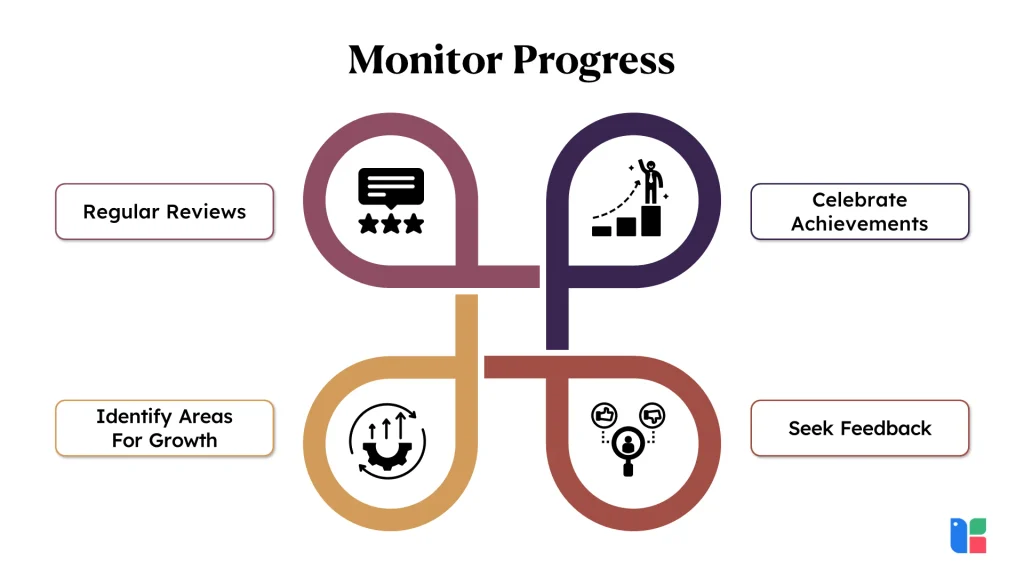
- Regular Reviews: Schedule regular check-ins with yourself to assess your progress towards your goals. Are you on track? Are there any adjustments needed?
- Celebrate Achievements: Acknowledge and celebrate your successes, no matter how small. This reinforces positive behaviours and keeps you motivated.
- Identify Areas for Growth: Be honest with yourself about where you might be falling short. Use this information to refine your goals and action steps.
- Seek Feedback: Continue to solicit feedback from colleagues, mentors, and team members. Their insights can offer valuable perspectives on your progress and areas for further development.
Track your progress regularly and adjust your development plan as needed. The key to success lies in continuous learning and improvement. By actively tracking your progress and adapting your plan as needed, you’ll ensure you stay on the path to becoming the impactful leader you aspire to be. Let’s go through a template that will provide a structured framework to outline your goals, action steps, and timelines, ensuring you stay focused and motivated on your journey to leadership excellence.
Individual Development Plan Template
This customisable template provides a structured framework to guide your development and help you achieve your goals.

Table 1: Focuses on personal information and broader career aspirations, setting the context for the development goals.
- Name and Job Title: Begin with your full name and your current job title.
- Career Aspirations: Describe your long-term career goals or aspirations. This could include roles you aim to achieve or industries you want to specialise in.
- Current Professional Development Focus: Outline the areas of professional growth you are currently focusing on. This could be specific skills, competencies, or knowledge areas relevant to your career goals.
Table 2: Provides a detailed plan for each development goal, including necessary skills, action steps, success criteria, resources, and timelines.
- Development Goal: Clearly state a specific goal you want to achieve. Make sure it is SMART (Specific, Measurable, Achievable, Relevant, Time-bound).
- Knowledge, Skills, and Abilities Required: Identify the competencies or areas of knowledge you need to develop to achieve this goal. Be specific about what you need to learn or improve.
- Action Steps: Break down the goal into actionable steps or tasks. Each step should contribute to achieving the overall goal.
- Success Measures: Define how you will measure success or progress toward your goal. This could include milestones, metrics, or specific outcomes.
- Resources Required (with Costs if Any): List the resources you need to accomplish each action step. This could include training programs, books, software tools, etc. If there are associated costs, mention them here.
- Target Completion Date: Set a realistic deadline for achieving the goal. This helps in planning and tracking progress effectively.
This template is a starting point. Feel free to customise it to fit your specific needs and aspirations.
How Do IDPs Vary Across Organisations?
Now that you’ve learned about the effectiveness of IDPs and how to develop your own, let’s look at their practical application across different organisational goals:
Tech Startup
Software developers want to improve their coding skills and learn a new programming language.
Goal: Become proficient in Python within the next six months.
Action Steps:
- Enrol in an online Python course.
- Attend weekly coding workshops.
- Participate in hackathons and coding challenges.
- Seek mentorship from a senior developer.
Resources: Online courses, coding bootcamps, mentorship programs.
Retail Store
Sales associates want to improve their customer service skills and increase their sales performance.
Goal: Achieve a 10% increase in monthly sales within the next three months.
Action Steps:
- Participate in customer service training programs.
- Practise active listening and empathy with customers.
- Learn about product features and benefits more thoroughly.
- Shadow experienced sales associates to observe successful sales techniques.
Resources: Training programs, product manuals, mentorship from senior colleagues.
Manufacturing Company
A production engineer wants to improve their problem-solving skills and optimise production processes.
Goal: Reduce production downtime by 5% within the next six months.
Action Steps:
- Analyse production data to identify areas for improvement.
- Attend workshops on lean manufacturing and problem-solving techniques.
- Collaborate with other engineers to brainstorm solutions.
- Implement and test new process improvements.
Resources: Training programs, industry trends publications, collaboration with colleagues.
With these diverse examples in mind, you’re now equipped to craft your own personalised development plan. Remember, it’s a dynamic document that evolves alongside your journey. Take ownership of your growth, set SMART goals, track your progress, and continuously adapt your plan to reach your full leadership potential.
Conclusion
Preparing an Individual Development Plan (IDP) means plotting your course towards leadership excellence. It’s about seizing the opportunity to tailor your growth, setting clear goals, and continually adjusting your trajectory based on real-time insights. By embracing self-assessment and actionable steps, you not only enhance your skills but also foster a culture of ongoing improvement. So, take the first step today, create your IDP, and watch your leadership skills boom.
Once you’ve identified your leadership goals, the next step is choosing how you’ll achieve them. Kapable can help you assess whether its approach supports the leader you want to become.


