

TL;DR
- Daniel Goleman’s Foundational EQ Works: The blog introduces emotional intelligence (EQ) as a crucial skillset beyond IQ and details five of Goleman’s pioneering books on EQ for personal success, work, and social relationships.
- Core Emotional Intelligence Components: Goleman’s works establish the five core components of EQ: self-awareness, self-regulation, motivation, empathy, and social skills and their impact across various life and professional contexts.
- Diverse Literature for EQ Development: The article also reviews nine other influential books offering practical strategies to enhance EQ, covering topics from building strong relationships and effective leadership to managing difficult emotions.
- Selecting the Right EQ Book: A guide is provided to help readers choose an appropriate resource based on their needs, categorising books for foundational understanding, leadership, relationships, or emotional resilience.
IQ got you this far, but what about the rest? Since it doesn’t tell you everything.
What connects between your innate cognitive abilities and your capacity to excel in the actual world is emotional intelligence, since it combines a variety of abilities that develop a leader in determining outstanding job performance beyond just a person’s modest IQ. The good news is, emotional intelligence is a skillset that can be developed! While it takes dedicated effort, the first step is simply becoming aware of the concept.
Books can be an incredible resource! This blog explores how reading can be a powerful tool for boosting emotional intelligence. By engaging on a literary journey, you can go beyond your emotional capacities and see how emotional circuitry steered by your ability to understand and manage our own emotions as well as those of others helps you understand different perspectives, and ultimately strengthen your emotional intelligence. This journey starts with the desire to grow, and with consistent effort, you’ll be well on your way to becoming more emotionally intelligent.
There are books out there expressly meant to help you enhance your emotional intelligence (EQ), whether your goals are to form closer relationships, overcome obstacles with poise, or realise your full leadership potential. To begin the learning process, we’ll explore the revolutionary writings of emotional intelligence pioneer Daniel Goleman.

How Do Goleman’s Books Explain Emotional Intelligence?
We’ve established that emotional intelligence (EQ) is a crucial skill for success, and who better to guide us on this journey than Daniel Goleman, the renowned psychologist and author who popularised the concept of EQ? His groundbreaking work has transformed our understanding of human potential and revolutionised various fields, from education to business. Goleman’s books offer a comprehensive framework making the principles of emotional intelligence resonate more deeply in your personal and professional life. Let’s explore some of his most influential works, exploring the key concepts they introduce:
Emotional Intelligence: Why It Can Matter More Than IQ
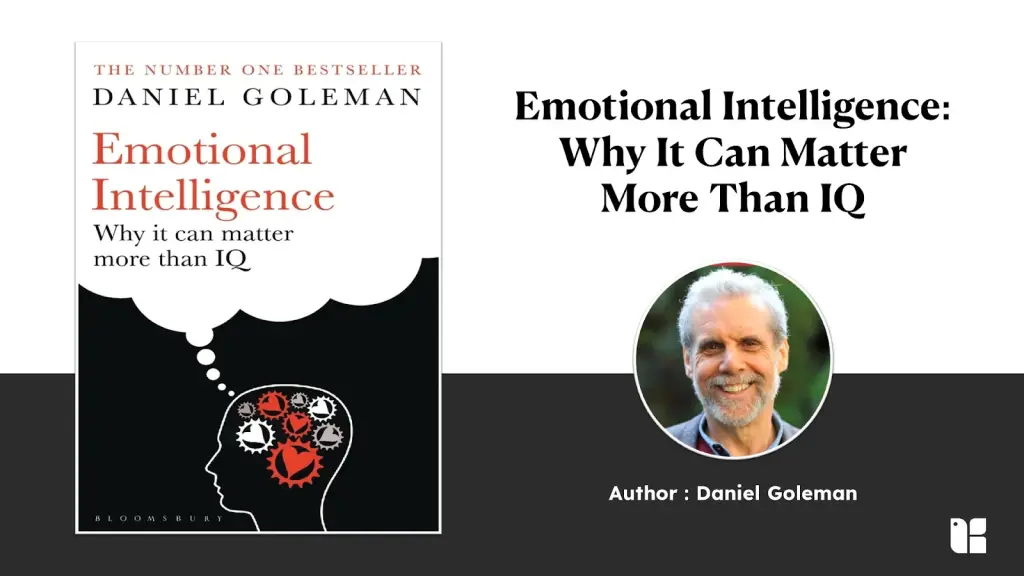
My favourite quote is :
‘In a very real sense, we have two minds, one that thinks and one that feels.’
In his groundbreaking book, Daniel Goleman revolutionised our understanding of human potential. His concept of emotional intelligence argues that traditional measures of intelligence, like IQ, only tell part of the story. The real key to success lies in a different kind of intelligence: emotional intelligence (EQ). Goleman also talks about our two minds in human intelligence that are the emotional brain and rational brain. By exploring the five core components of EQ and its impact on various aspects of life, Goleman provides a roadmap for developing this essential skill and unlocking your full potential.
Key Learnings:
- Enough intellectual ability is crucial but emotional intelligence, comprising self-awareness, self-regulation, self-motivation, empathy, and social skills, is equally important, if not more so, for success in life.
- Emotional literacy helps us identify our strong and weak points in managing our own emotions, as well as those of others. Goleman highlights how emotional control is crucial even in intellectually demanding professions.
- Daniel Goleman’s exploration of emotional intelligence touches upon how brain and behavioural sciences intersect to shape our emotional reactions and social skills which is a widely embraced notion from Goleman’s books.
Working with Emotional Intelligence
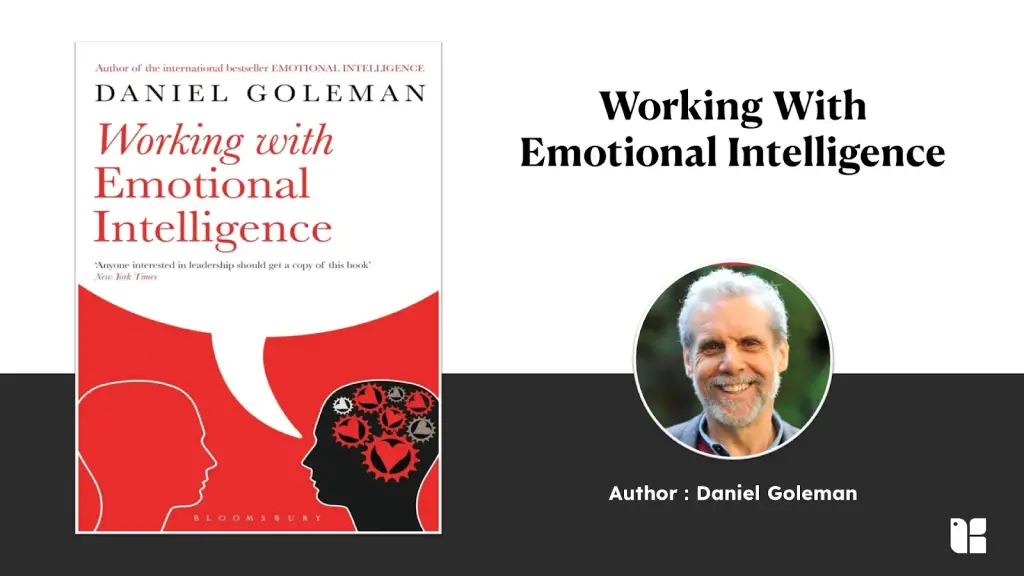
My favourite quote- “out-of-control emotions can make smart people stupid.”
Daniel Goleman turned his focus to the workplace in Working with Emotional Intelligence (1998). This book explores how EQ principles can be applied to create a more prosperous and positive work environment. Goleman discusses the challenges and opportunities that arise in professional life, demonstrating how emotional intelligence can be the missing piece for navigating complex relationships, leading effectively, and achieving organisational goals. Let’s explore some of the key takeaways from this insightful book:
Key Learnings:
- EQ skills are crucial for leadership. Emotionally intelligent leaders inspire, motivate, and build strong teams.
- In the workplace, emotional intelligence fosters collaboration, conflict resolution, and effective communication.
- Organisations that value and cultivate EQ create a more positive and productive work environment.
Social Intelligence: The New Science of Human Relationships
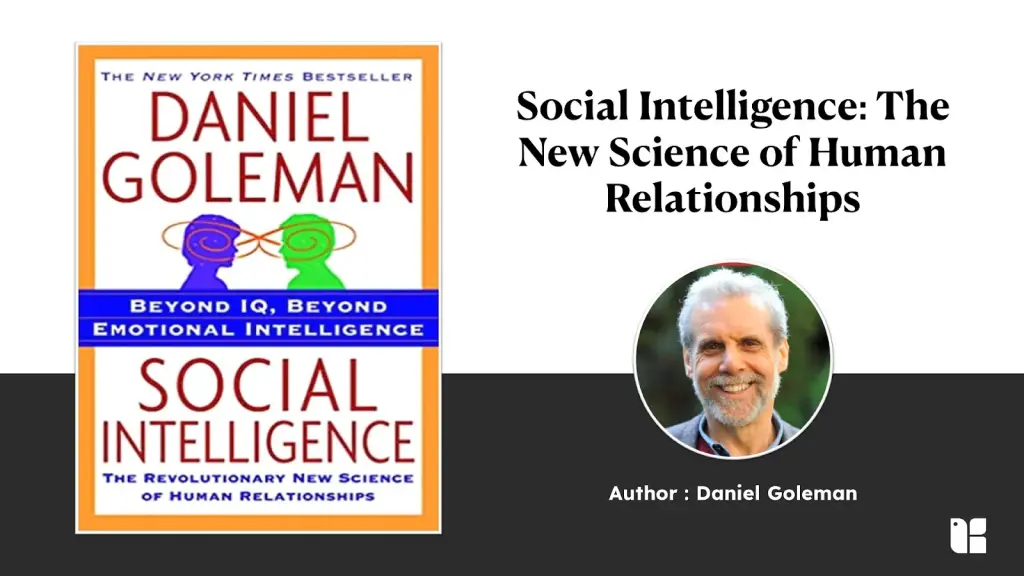
My favourite quote is, “What distinguishes leaders in medicine goes far beyond that knowledge into interpersonal skills like empathy, conflict resolution, and people development.”
This book moves beyond individual EQ and examines the complex dynamics of social interactions revealing the unspoken emotional dimension that influences how our brains connect and affect each other in daily encounters. Here, he explores the emerging science of social intelligence, revealing how our daily encounters with others profoundly shape our brains and bodies.
Key Learnings:
- Our social interactions are more than just casual conversations. Goleman proposes a concept of “neural ballet,” where our brains connect and influence each other on a neurological level.
- The quality of our relationships significantly impacts our physical and mental well-being. Stressful interactions can weaken our immune system, while positive connections can boost our health.
- Goleman emphasises the importance of empathy in building strong relationships. By understanding and responding to others’ emotions, we foster trust and connection.
- The book explores various aspects which teach emotional skills contributing to high social intelligence, such as active listening, assertiveness, and conflict resolution.
Destructive Emotions: How Can We Overcome Them?
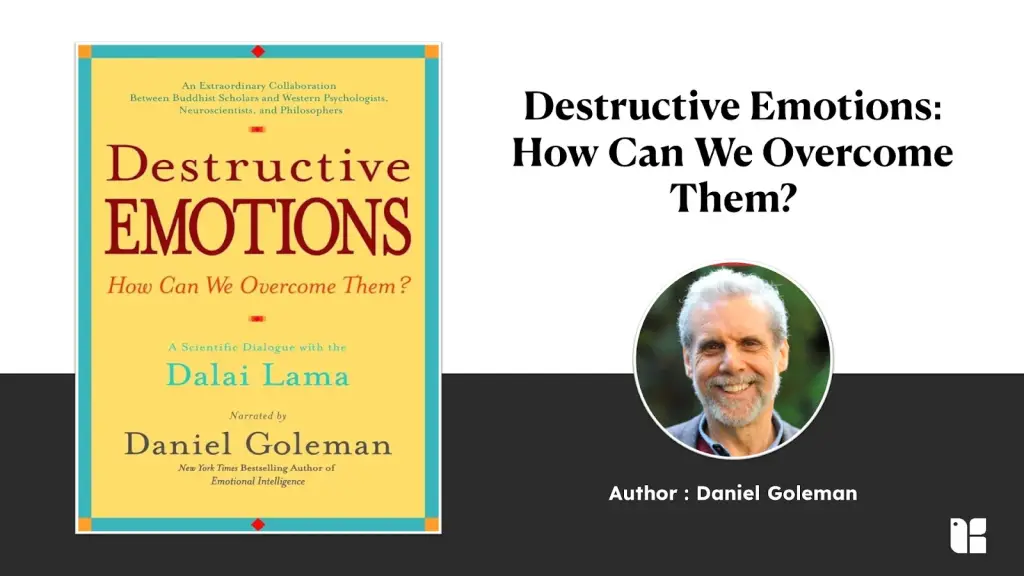
My favourite quote- “I think the practice of compassion is like a medication that restores serenity when one is very agitated. The great tranquiliser is compassion.”
Daniel Goleman doesn’t shy away from the darker side of emotions. In this book, he collaborates with the Dalai Lama and a group of eminent scientists and philosophers to explore the challenges posed by destructive emotions like anger, hatred, and fear.
Key Learnings:
- The book explores the nature of destructive emotions, exploring their biological and psychological roots. It examines how emotional insensitivity with little or no control over our emotions can cloud judgement and lead to harmful behaviour.
- This book takes a unique approach, integrating behavioural research on emotions with the wisdom of Eastern spiritual traditions. This blend offers a holistic perspective on managing negative emotions.
- Goleman and the Dalai Lama explore methods for transforming destructive emotions. This includes practices like mindfulness meditation, compassion cultivation, and developing a more positive outlook.
Primal Leadership: Realising The Power Of Emotional Intelligence
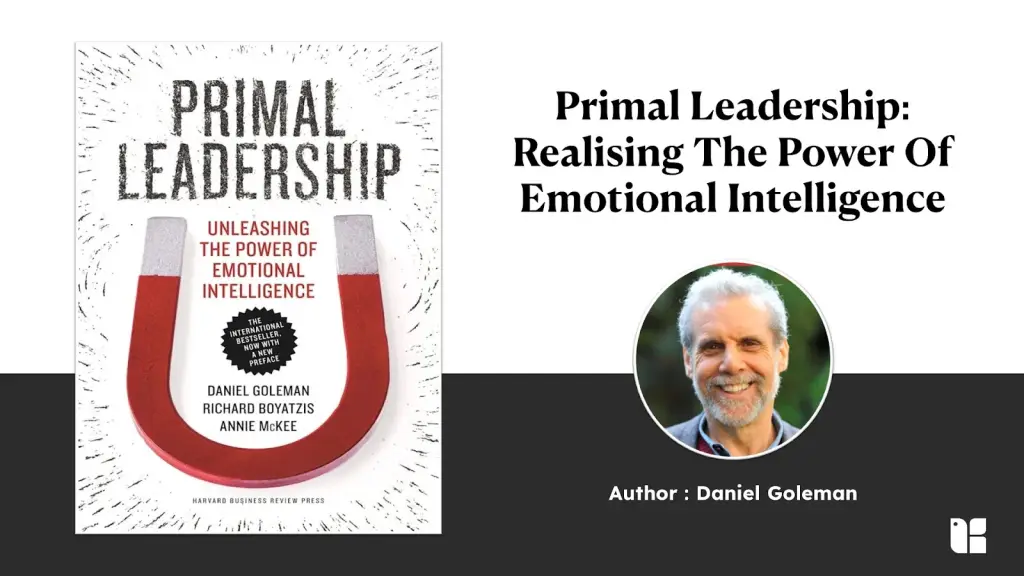
My favourite quote is, “The key to exceptional leadership is not in the external environment; it resides within each of us.”
Co-authored with Richard Boyatzis and Annie McKee, this book enters the world of leadership through emotional intelligence. It moves beyond individual leadership styles and explores six leadership styles, categorised into two main groups:
- Immature Styles: These styles can hinder team performance and employee morale.
- Mature Styles: These styles foster trust, motivation, and high performance.
Primal Leadership challenges leaders to identify their dominant style and develop the skills to move towards more mature styles for greater effectiveness. Here are some key takeaways:
- The book emphasises that emotional intelligence is crucial for effective leadership. Leaders with high EQ can build trust, motivate teams, and navigate complex situations.
- Leaders need to be self-aware of their emotions and their impact on others. This self-awareness is the foundation for developing more mature leadership styles.
- It teaches how a leader’s emotions create the team’s emotional climate. A positive emotional climate fosters creativity, innovation, and high performance.
- The book provides a framework and practical tools for leaders to identify their strengths and weaknesses and develop a more emotionally intelligent leadership style.
By understanding the power of emotional intelligence and the impact of leadership styles, this book equips readers to become more effective and inspiring leaders who can unlock the full potential of their teams.
“Kapable has played a crucial role in my growth. I joined to overcome challenges with public speaking and impromptu situations, especially in larger settings. The sessions helped me structure my ideas better and shift from reacting impulsively to responding thoughtfully, improving my workplace interactions. The tools and techniques I’ve learned have greatly boosted my confidence and clarity.”
– Jainil Vadhan (Programmatic Solutions Consultant At Amazon)
Which Other Famous Books Explore Emotional Intelligence?
This guide will equip you with the knowledge to choose the perfect EQ book to embark on your journey of self-discovery. Let’s explore the diverse landscape of emotional intelligence literature and its key learnings.
1. How To Win Friends and Influence People by Dale Carnegie
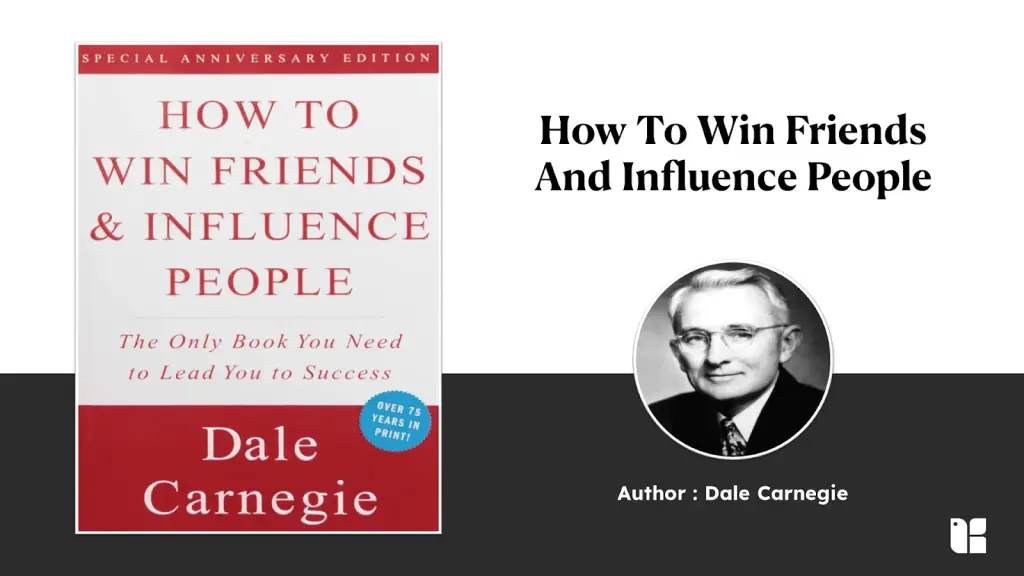
My favourite quote is, “You can make more friends in two months by becoming interested in other people than you can in two years by trying to get other people interested in you.”
Brief: This timeless classic by Dale Carnegie offers practical advice on building relationships and winning people over. It emphasises the importance of developing a genuine interest in others, active listening, and positive communication.
Key Learnings:
- People can sense when you’re being fake. Be genuine in your interactions with others.
- Show interest in others and their experiences.
- Focus on the positive aspects of people and situations.
- Pay attention to what others are saying, both verbally and nonverbally.
- Remember and use people’s names to make them feel valued.
2. HBR’s 10 Must Reads on Emotional Intelligence by Harvard Business Review
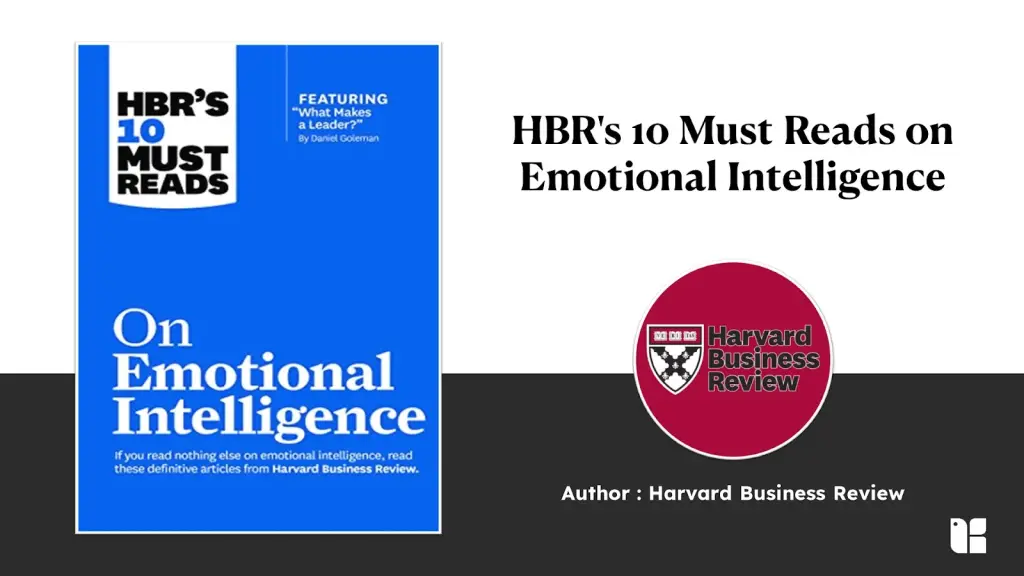
My favourite quote- “In other words, good negotiators need to develop a poker face-not one that remains expressionless, always hiding true feelings, but one that displays the right emotions at the right times.”
Brief: This compilation from Harvard Business Review explores the concept of emotional intelligence skills in the professional world. It provides insights from various experts on how to develop your emotional skills and leverage them for career success.
Key Learnings:
- Components of EQ: The book breaks down EQ into its core components, including self-awareness, self-regulation, motivation, empathy, and social skills.
- Leadership and EQ: It emphasises the critical role of emotional intelligence in effective leadership. Leaders with high EQ can inspire and motivate teams, constructively manage conflicts, and foster a positive organisational culture.
- Practical Applications: The book offers practical exercises and case studies that enable readers to apply emotional intelligence skills in real-world scenarios.
- Impact on Career Success: HBR’s compilation explores how EQ contributes to career advancement and professional achievement.
3. The Art of Empathy by Karla McLaren
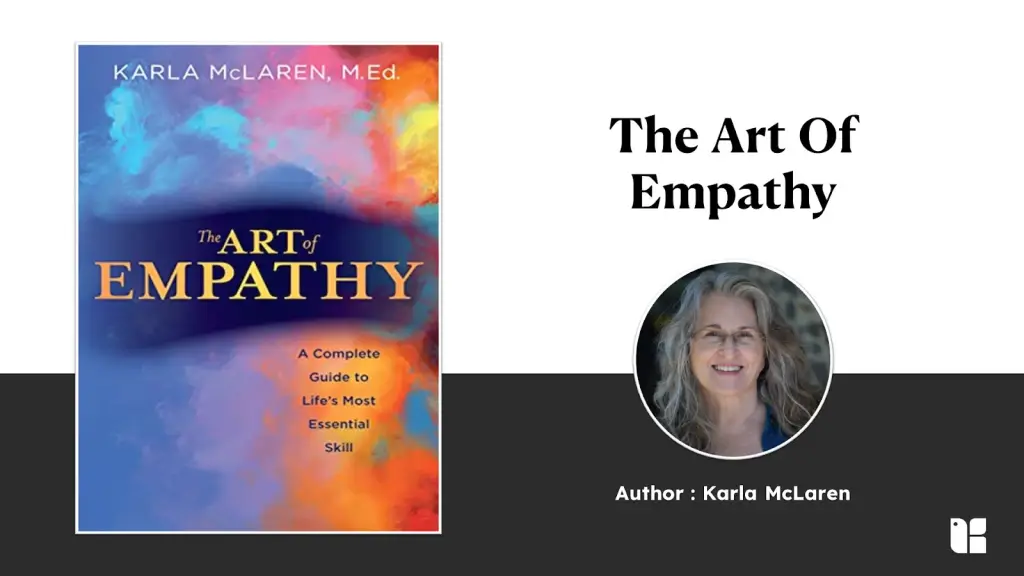
My favourite quote is, “Leading with integrity and empathy requires vision and a connection to your deepest self.”
Brief: Empathy is a foundation of emotional intelligence. This book by Karla McLaren teaches you how to develop your ability to understand and share the feelings of others. It provides exercises and techniques to cultivate empathy in your relationships.
Key Learnings:
- Levels of Empathy: McLaren distinguishes between different levels of empathy, from cognitive empathy (understanding another’s perspective) to emotional empathy (feeling and sharing another’s emotions).
- Empathetic Listening: How to listen attentively to understand what the other person is truly experiencing.
- Managing Emotions: McLaren discusses how empathy can help individuals manage their own emotions and respond empathetically to others’ emotional cues.
- Conflict Resolution: Practical strategies for using empathy to navigate conflicts effectively are explored. McLaren’s approach encourages individuals to seek mutual understanding and collaborate on solutions that meet everyone’s needs.
4. Dealing With Difficult People – HBR Review Emotional Intelligence Series
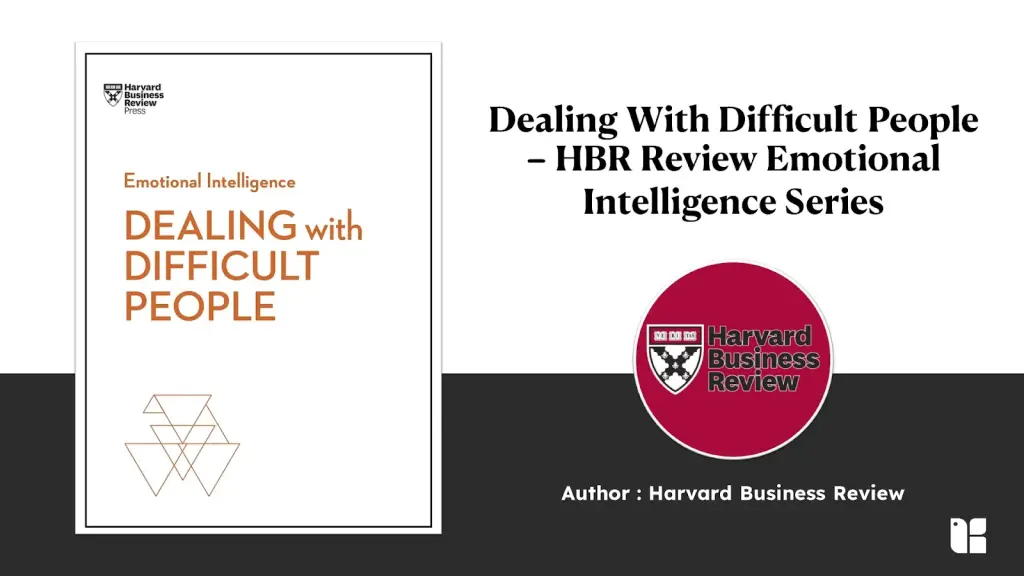
My favourite quote- “Power tends to corrupt, and absolute power corrupts absolutely,” Lord Acton said way back in 1887.”
Brief: This HBR resource provides strategies for constructively and emotionally intelligently dealing with challenging personalities. It offers practical tools for managing difficult conversations and navigating conflict effectively.
Key Learnings:
- Recognising Difficult Personalities: The book identifies different types of difficult personalities, such as aggressive, passive-aggressive, and overly critical individuals. Understanding these personality types helps readers anticipate appropriate and inappropriate uses of emotional intelligence.
- Emotional Self-Management: Techniques for staying calm, composed, and assertive in challenging situations which give immediate benefits are explored to prevent escalation and promote constructive dialogue.
- Building Resilience: The book encourages readers to develop resilience and maintain perspective when faced with challenging interactions.
- Communication Strategies: Practical communication strategies are provided to foster mutual understanding and resolve conflicts peacefully. Look for opportunities to find common ground with difficult people, even if it’s minimal.
- Emotional Protection: Set clear boundaries to protect yourself from emotional manipulation or negativity from difficult people.
5. Go Suck a Lemon: Strategies for Improving Your Emotional Intelligence by Michael Cornwall
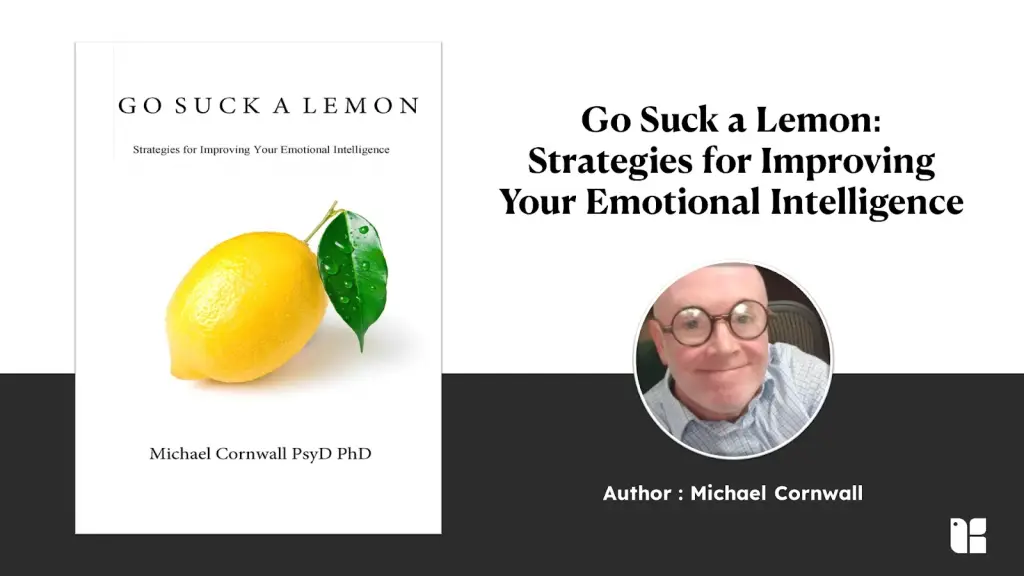
My favourite quote- “Removing the absolute demand from the statement (they should) and recognising that people will behave any way they choose, even when we believe they shouldn’t, will result in some lesser degree of discomfort when we don’t get what we prefer, in place of what we demand.”
Brief: This book by Michael Cornwall offers a practical and engaging guide to developing total emotional intelligence (EQ). It includes exercises, self-assessments, and humour to make social and emotional learning fun and accessible.
Key Learnings:
- Emotional Awareness: Cornwall emphasises the importance of becoming more aware of one’s emotions, triggers, and their impact on thoughts and behaviours.
- Coping Mechanisms: The book explores healthy coping mechanisms to manage emotions effectively. Cornwall offers strategies for handling stress, anxiety, and other challenging emotions, promoting resilience and emotional well-being.
- Communication and Relationships: Practical tips are provided for improving communication skills and building stronger relationships. Cornwall’s guidance encourages empathy, active listening, and effective conflict resolution to foster positive interpersonal connections.
- Self-Improvement: Through self-reflection and mindfulness practices, individuals can incorporate emotional skills training and develop a deeper understanding of themselves and others, enhancing emotional intelligence.
The insights from these books become far more valuable when they influence everyday leadership behaviour, and Kapable helps leaders build habits that improve communication, trust, and decision-making over time.
6. Emotional Intelligence for Sales Leadership: The Secret to Building High-Performance Sales Teams – Colleen Stanley
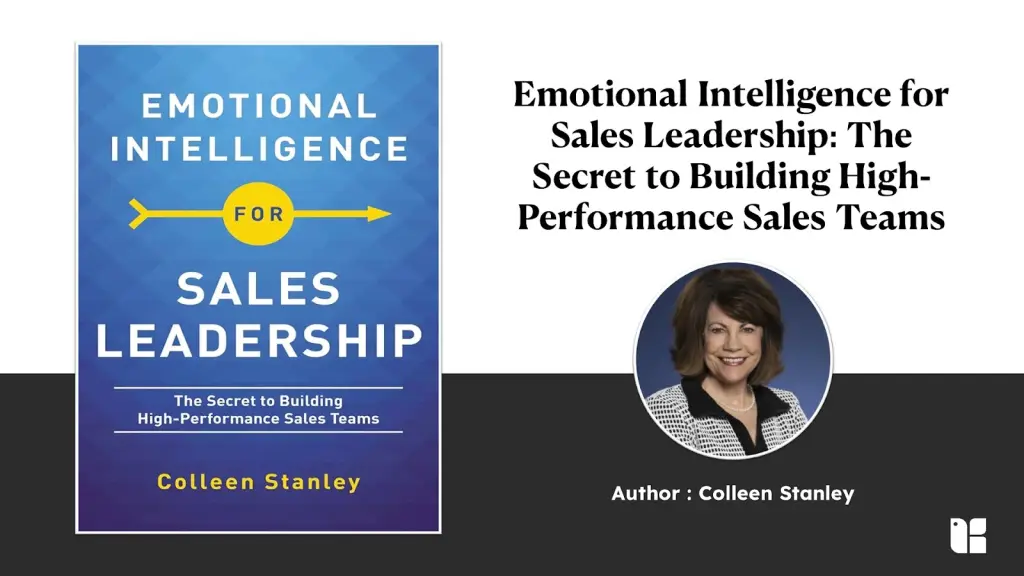
My favourite quote- “Emotional intelligence is not about being nice or soft; it’s about being self-aware, empathetic, and skilled at managing one’s own emotions and influencing the emotions of others.”
Brief: This book by Colleen Stanley focuses on the importance of emotional intelligence for sales leaders. It provides insights on developing your EQ skills and creating a sales team that thrives on strong emotional connections and collaboration.
Key Learnings:
- EQ in Sales Leadership: Stanley underscores the importance of emotional intelligence for sales leaders. By understanding and managing their own emotions, leaders can effectively inspire, motivate, and coach sales teams to achieve optimal performance.
- Building Trust and Rapport: The book explores techniques for building trust and rapport with sales teams and clients.
- Conflict Resolution: Stanley’s approach encourages leaders to leverage EQ to navigate challenges, promote team cohesion, and achieve sales goals.
- Creating a Positive Sales Environment: Stanley discusses how emotional intelligence creates a positive and supportive sales environment.
7. The 7 Habits of Highly Effective People by Stephen Covey
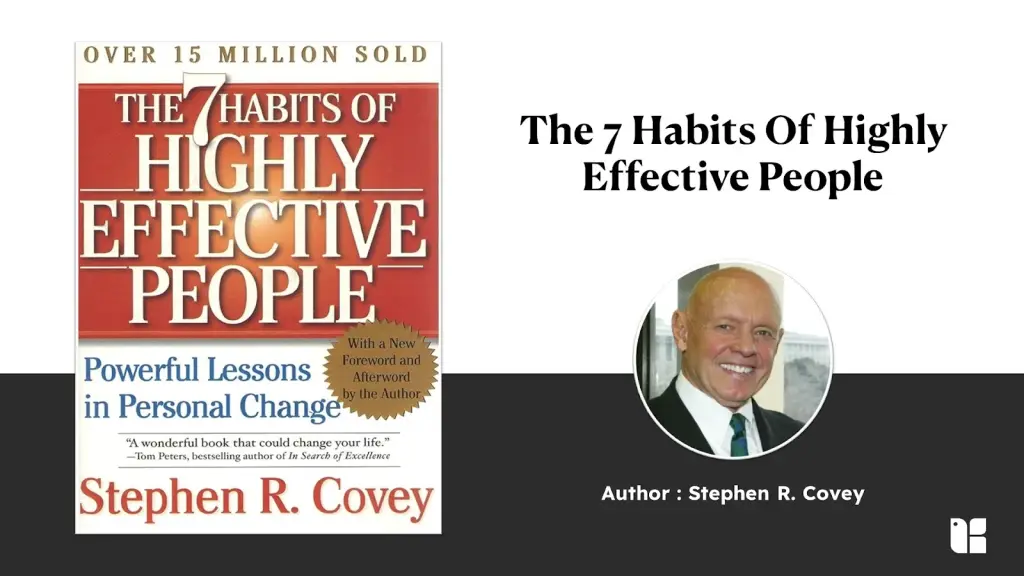
My favourite quote is, “Most people do not listen with the intent to understand; they listen with the intent to reply.”
Brief: This classic by Stephen Covey outlines seven core habits that can help you achieve success in all areas of life. These habits emphasise principles like personal responsibility, proactive behaviour, and building win-win relationships, all of which rely on strong emotional intelligence.
Key Learnings:
- Habit 1: Be Proactive: Take responsibility for your life and choices with building self-discipline, and focus on what you can control.
- Habit 2: Begin with the End in Mind: Define your values and goals to guide your decisions and actions.
- Habit 3: Put First Things First: Prioritise tasks based on importance, not just urgency.
- Habit 4: Think Win-Win: Seek mutually beneficial solutions in all your interactions.
- Habit 5: Seek First to Understand, Then to Be Understood: Practise active listening and empathy before trying to communicate your own ideas.
- Habit 6: Synergize: Value the power of collaboration and teamwork to achieve more than you can alone.
- Habit 7: Sharpen the Saw: Continuously invest in self-renewal, physically, mentally, emotionally, and spiritually.
8. Thinking, Fast and Slow by Daniel Kahneman
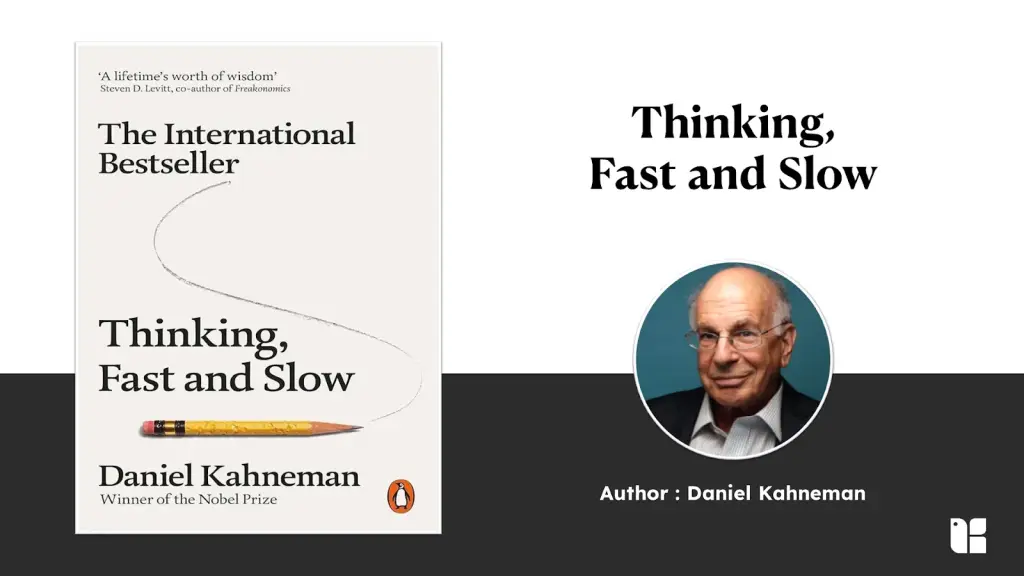
My favourite quote is, “If you care about being thought credible and intelligent, do not use complex language where simpler language will do.”
Brief: This book by Nobel laureate Daniel Kahneman explores the two systems of thought we use: fast and slow thinking. Understanding these systems can help us improve our emotional intelligence by recognising our cognitive biases and making more rational choices.
Key Learnings:
- System 1 vs. System 2: Recognise the difference between our fast, intuitive thinking (System 1) and slower, more deliberate thinking (System 2).
- Cognitive Biases: Learn about common cognitive biases that can cloud our judgement and affect our emotional responses.
- The Power of Framing: Understanding how information is presented can influence our decisions and emotions.
- The Willpower Myth: Discover the limitations of willpower and learn strategies for making better choices through planning and self-awareness.
- Emotional Intelligence Through Reason: See how understanding cognitive biases can help you make more rational decisions and manage your emotions effectively.
9. Atlas of the Heart: Mapping Meaningful Connection and the Language of Human Experience – Brené Brown
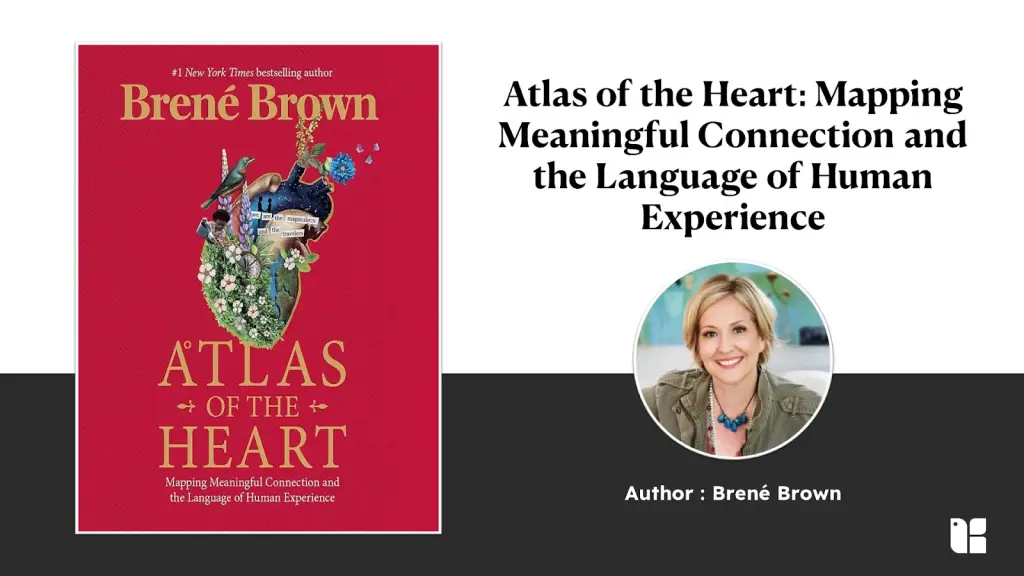
My favourite quote- “Avoidance will make you feel less vulnerable in the short run, but it will never make you less afraid.”
Brief: This book by Brené Brown argues that by accurately naming and navigating our emotions, we can build stronger connections with ourselves and others. The focus is on understanding the human experience through a deeper exploration of emotions to develop collective social life. The book dives into 87 distinct emotions and experiences, offering a nuanced vocabulary to describe the human condition.
Key Learnings:
- The Power of Naming: By precisely labelling our emotions, we can detach from their overwhelming power and gain control over our responses.
- The Landscape of Emotions: The book goes beyond basic emotions like happiness and sadness, introducing us to a rich tapestry of human experience.
- Vulnerability as a Strength: Brown, known for her work on vulnerability, emphasises its role in fostering meaningful connections.
- Choosing Connection Over Disconnection: The book equips us with tools to navigate complex emotions and build bridges with others.
- A Framework for Connection: Brown offers a practical framework to cultivate meaningful connections in our lives.
10. Permission To Feel: Unlocking The Power Of Emotions To Help Our Kids, Ourselves And Our Society Thrive
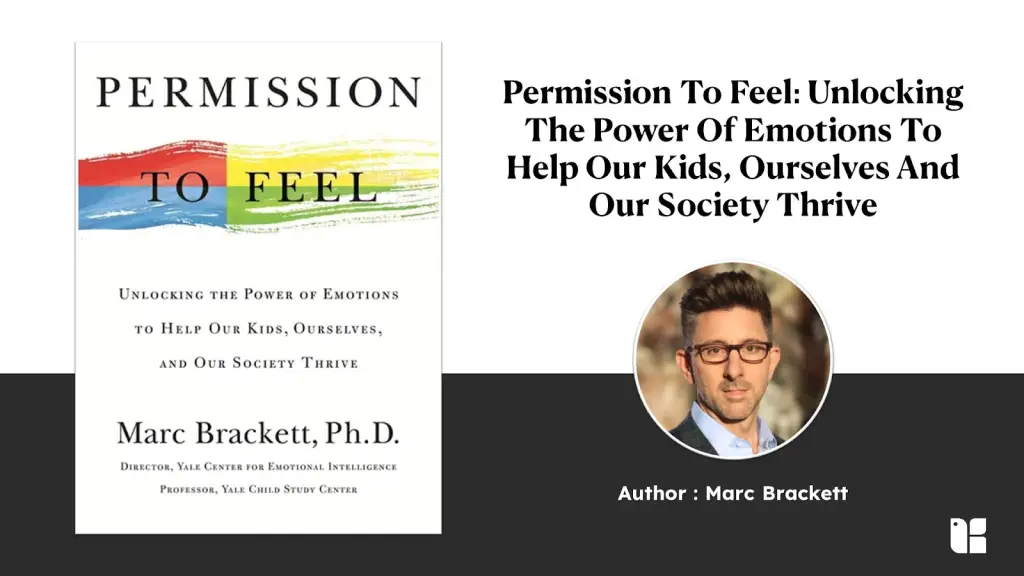
My favourite quote is, “It’s possible to distract ourselves to such a degree that we avoid dealing with anything difficult—even when our lives would be improved by facing reality and doing something about it.”
Brief: Marc Brackett, a leading expert on emotional intelligence, argues that reality makes emotional intelligence crucial for mental well-being, proposing a 5-step plan for developing emotional skills and improving our interactions with ourselves and others.
Key Learnings:
- The RULER Method: This is Brackett’s 5-step approach to emotional intelligence, focusing on Recognising, Understanding, Labelling, Expressing, and Regulating emotions.
- The Importance of Emotional Literacy: The book argues that just like learning to read, we need to develop the ability to understand and navigate our emotions.
- Breaking the Cycle of Emotional Illiteracy: Brackett highlights the negative consequences of suppressing or ignoring emotions.
- Building Emotional Intelligence in Children: The book provides practical strategies to parents and educators helping children master spatial skills alongside their emotional growth.
- Creating a More Emotionally Intelligent Society: By fostering emotional well-being, Brackett suggests we can create a better world for everyone.

How To Choose The Right Book For You?
Selecting the right book can profoundly impact your development, from understanding the basics to mastering leadership through emotional intelligence.
For those new to emotional intelligence, foundational texts like Daniel Goleman’s brilliant report “Emotional Intelligence: Why It Can Matter More Than IQ” and Harvard Business Review’s “HBR’s 10 Must Reads on Emotional Intelligence” provide an essential introduction. These books lay the groundwork by exploring core concepts such as self-awareness, empathy, and social skills, offering a comprehensive understanding of how EQ influences success in diverse contexts.
Leaders and aspiring leaders can benefit from works such as Goleman’s “Working with Emotional Intelligence” and “Primal Leadership: Realising the Power of Emotional Intelligence” co-authored with Richard Boyatzis and Annie McKee. These books provide practical applications of EQ in organisational settings, emphasising its role in effective leadership, team dynamics, and fostering a positive work culture. They equip readers with actionable strategies to enhance communication, inspire teams, and navigate complex challenges with emotional intelligence.
For those focused on interpersonal relationships and social interactions, books like Goleman’s “Social Intelligence: The New Science of Human Relationships” and Karla McLaren’s “The Art of Empathy” offer starting new insights which might be uncomfortable but consequential truths to learn about our collective social life. They also explore how emotional intelligence shapes our ability to connect authentically with others, fostering empathy, effective communication, and nurturing meaningful relationships both personally and professionally.
Moreover, individuals seeking to develop emotional resilience, manage stress, and promote well-being can turn to resources such as Marc Brackett’s “Permission to Feel” and Michael Cornwall’s “Go Suck a Lemon”. These books provide practical tools and exercises for recognising, understanding, and regulating emotions, empowering readers to navigate challenges with even greater emotional intelligence.
Each book offers unique perspectives and practical strategies to strengthen your EQ, making it essential to choose wisely based on your current needs and aspirations. Ultimately, the best EQ book is the one you’ll actually read and engage with. So, choose a book that excites you, fits your learning style, and targets your specific goals. Remember, the journey to higher EQ starts with the first page you turn!
Conclusion
From foundational texts that lay the groundwork for understanding EQ to modern guides brimming with practical exercises and inspiring stories, there’s a resource out there perfectly suited to your specific goals and learning style. Whether you’re seeking to master empathy, navigate challenging relationships, or simply unlock your full potential, these books offer a wealth of knowledge and practical tools.
Take the first step today by choosing a book that resonates with you and embark on the path to greater self-awareness and success. Let these books be your companions in unlocking the immense potential of emotional intelligence in your personal or professional life.
After exploring these recommended books, the next question is how you want to continue developing these capabilities. Kapable helps you determine whether it is the right fit for your leadership growth.


