


TL;DR
- Autonomy Reshapes Work: The gig economy represents a fundamental shift toward flexible, short-term arrangements that grant workers control over their schedules, location, and project alignment.
- Instability and Worker Welfare: Gig workers face profound challenges like the absence of traditional benefits, social isolation, job uncertainty, and the risk of unfair treatment and demanding, often unsafe, working conditions.
- Strategic Leadership Adaptations: Navigating this workforce requires leaders to engage with regulators, prioritise fair algorithmic transparency, manage internal team competition, and align gig strategy with long-term company values and investor expectations.
- Cultivating a Valued Workforce: Successful leadership is built on open communication, targeted resource provision, strategic talent utilisation, and developing management skills tailored to integrating and empowering a dynamic temporary workforce.
Did you know that over 200 million people worldwide are now part of the gig workforce? In India alone, the gig economy could create up to 90 million jobs, making up about 30% of the non-farm workforce. And it’s not just about jobs, this shift has the potential to boost India’s GDP by up to 1.25% in the long run. These shifts aren’t just numbers. With new opportunities popping up across various sectors, the gig economy is reshaping the way we think about work. But what does this mean for leaders, businesses, workers, and the economy as a whole? Understanding these changes is more important than ever.
How Do Freedom And Flexibility Define The Gig Economy?
The gig economy refers to a labour market characterised by short-term, flexible, and freelance work arrangements. Workers in this sector often take on multiple, temporary jobs or projects, which allows for more autonomy but also presents unique challenges in management and integration within larger organisations.
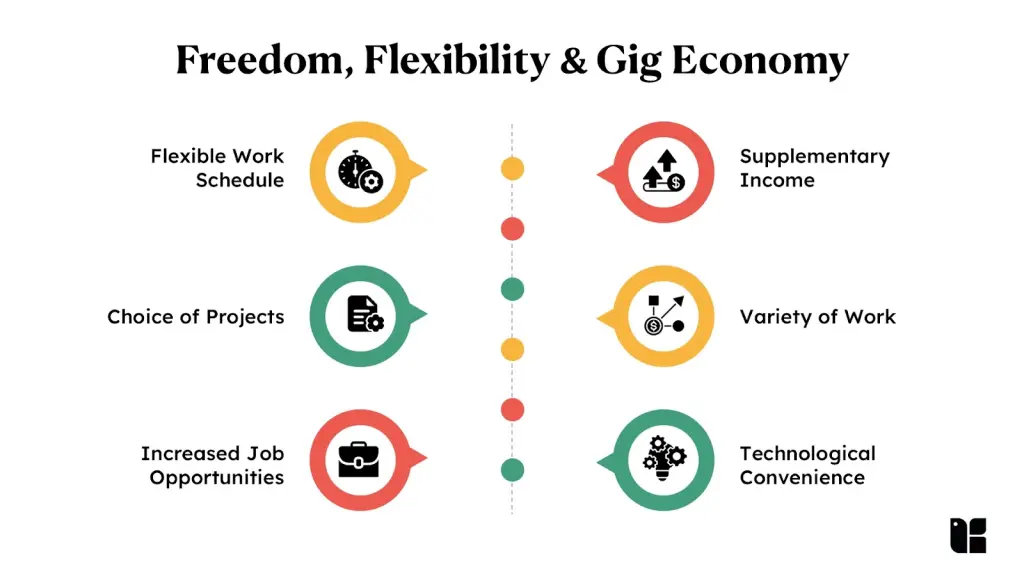
The gig economy has quickly become a magnet for people looking for more freedom and control over their work. One of the biggest draws is the flexibility it offers. Unlike traditional 9-to-5 jobs, you’re not tied to a strict schedule or location, which means you can work whenever and wherever you want. This flexibility is especially valuable for those juggling multiple responsibilities, such as students, parents, or caregivers. It allows them to fit work around their lives, rather than the other way around.
Another advantage is the ability to choose your own projects. Gig workers can decide which tasks to take on, aligning their work with their skills, interests, and values. This autonomy means they aren’t stuck in a one-size-fits-all job; instead, they have the freedom to craft a career that suits them.
Additionally, the gig economy opens up significantly expanded job opportunities, especially during economic downturns. When traditional jobs are scarce, gig work can offer a lifeline, providing a flexible source of income that’s particularly useful for those seeking supplementary work.
You can be a writer today, a delivery driver tomorrow, and a graphic designer next week. This variety keeps the work interesting and allows people to build diverse skills. Plus, with technology making it easier than ever to connect with potential clients and customers, gig workers have more opportunities than ever to find work that fits their needs and lifestyle.
Leading people who aren’t bound by traditional organisational structures requires a different leadership approach, and Kapable helps professionals build the mindset and skills to succeed.
What Challenges Are Commonly Faced In The Gig Economy?
While the gig economy offers flexibility and independence, it also presents challenges that affect gig workers’ stability and well-being, which leaders must know to create a more supportive work environment.

Lack Of Essential Worker Benefits
Traditional employment often comes with a range of benefits, such as health insurance, paid leave, and retirement savings plans, which provide a safety net for employees. Gig workers, however, are usually classified as independent contractors, not employees. This classification means they are not entitled to these benefits, leaving them to fend for themselves.
Isolation In Solo Work Environments
Working gigs often means working alone. Unlike traditional jobs, where people can bond over lunch or team meetings, gig work can lack a sense of community and belonging. Many gig workers, like delivery drivers or remote freelancers, spend hours alone, which can lead to feelings of isolation and loneliness. This isolation can negatively impact mental health and overall job satisfaction.
Uncertain Job Continuity
Gig workers often deal with a constant sense of insecurity because their work is typically project-based or on-demand. Unlike full-time employees, gig workers don’t have long-term contracts or the assurance that their job will be there next week or next month. This instability can stem from the fluctuating nature of demand in various industries or changes in platform policies.
Challenging Working Conditions
The working conditions for many gig workers can be demanding and, at times, unsafe. For instance, delivery workers might have to navigate through dangerous weather, heavy traffic, or poorly lit areas at night. These conditions not only put their physical safety at risk but can also lead to long-term health issues due to repetitive strain or lack of rest. The gig economy often prioritises customer convenience and cost-cutting over worker well-being.
Social Dumping Measures
“Social dumping” refers to situations where companies take advantage of gig workers by cutting costs, which often results in paying lower wages and offering fewer protections, especially in low-income countries. This practice is driven by the desire to minimise expenses and maximise profits, often at the worker’s expense. Gig workers might be forced to accept low pay because they lack better options, or because the gig platform has a monopoly in their region.
Unfair Treatment To The Workers
Studies have shown that some gig platforms have racial or gender biases in their hiring algorithms or customer ratings, which can unfairly disadvantage certain workers. Discrimination in the gig economy can result in unequal pay, fewer job opportunities, or less favourable working conditions for certain groups. The lack of oversight and regulation in gig platforms lead to biases in hiring decisions and customer preferences.
Stress From Inconsistent Support
The culmination of these challenges creates a highly stressful environment for gig workers. The constant uncertainty about income and job security, coupled with the absence of a supportive work community and protections, leads to high stress levels. This stress can impact both physical and mental health, reducing overall job satisfaction and quality of life.
To fully benefit from the gig economy, leaders must address these challenges and create a more supportive and fair environment for gig workers.

How Can Leaders Navigate Challenges In The Gig Economy?
Understanding the multifaceted challenges presented by the gig economy is crucial for leaders aiming to gain its benefits while ensuring fair and effective management. Here’s how to navigate these issues:

Industry Disruption
In rapidly changing industries, bringing in external experts with specialised skills can keep you ahead of the curve. To find these experts, start by exploring industry networks, attending relevant conferences, and leveraging professional platforms like LinkedIn. Collaborate with specialised recruitment agencies or consult with industry-specific groups to identify top talent. For instance, if your sector is evolving due to new technology, look for professionals with recent experience in that technology. This approach ensures you stay competitive and address emerging challenges effectively, while fresh expertise can help you navigate industry changes smoothly.
Technological Influence
The rise of gig platforms relies heavily on algorithms that determine job allocation, payment, and worker ratings. However, these algorithms can sometimes be opaque and biased, leading to concerns about fairness and transparency. To address this, leaders should advocate for the development and implementation of clear, fair, and transparent algorithms. Regular audits of these systems can help ensure they operate without bias and meet ethical standards. By prioritising algorithmic fairness, leaders build trust with gig workers and foster a more equitable working environment.
Regulatory Policy Implications
The gig economy often outpaces existing labour laws and regulations, creating challenges like enforcing minimum wages and ensuring workers have access to benefits. Leaders must actively engage with policymakers to shape regulations that protect gig workers while supporting business needs. This involves participating in discussions about new laws and advocating for fair policies. By influencing regulatory frameworks, leaders can help create a more structured and fair environment for gig work, benefiting both workers and the business.
Balanced Approach For Healthy Competition
Managing competition between traditional employees and gig workers requires a thoughtful approach. Start by setting transparent and equal goals for both groups, ensuring everyone understands the same performance expectations. Promote collaboration by organising joint projects where both gig and traditional workers can contribute their strengths. Regularly communicate the value each group brings to the team, and recognise their achievements equally. This balanced approach not only motivates all workers but also fosters a sense of unity and respect among them.
Investor Expectations
Different types of ownership structures influence how investors view gig work. Family-owned businesses might have different cost tolerance and risk expectations compared to publicly-listed companies. Leaders must clearly communicate how gig work affects financial metrics, cost structures, and long-term strategy. Regularly update investors on how gig work aligns with business goals and financial forecasts. By managing investor expectations and demonstrating the value of gig work, leaders can secure continued support and maintain financial health.
Employee Vs. Contractor Treatment
Differentiating between traditional employees and gig workers requires careful consideration of their distinct needs and rights. Leaders should establish clear guidelines on how each group is treated, including benefits, compensation, and recognition. Implement policies that address these differences while ensuring fairness and consistency. Effective management of these distinctions helps maintain morale and productivity across the workforce, ensuring that both employees and gig workers feel valued and engaged.
Short-Term Vs. Long-Term Considerations
Gig work might reduce costs in the short term, but it’s essential to consider its long-term effects on your company’s reputation and values. To balance these factors, regularly review how gig work impacts your brand’s image and employee morale. Look for feedback from both customers and employees to judge perception. Your work policies must reflect your company’s core values. Avoid practices that could be seen as unfair or misaligned with your brand’s ethos. Be transparent about your gig work decisions and their reasons. Clear communication helps manage expectations and reduces potential backlash.
By addressing these factors thoughtfully, leaders can effectively manage the complexities of the gig economy, aligning their strategies with both operational goals and worker needs.
“This 3-month journey has been enlightening, as I transitioned from an ambitious manager to an inspiring leader. Applying Kapable’s techniques, I confidently delivered a 30-minute speech at our Annual Planning Session, receiving positive feedback from my team. Kapable has been instrumental in helping me reach my full potential.”
– Sailesh Gadalay (Sr Account Director – Enterprise Sales At Linkedin)
What Are The Best Practices For Leading A Gig Workforce?
Leading a gig workforce comes with its own set of challenges and opportunities. By adopting the right strategies, you can turn these temporary engagements into powerful assets for your organisation.
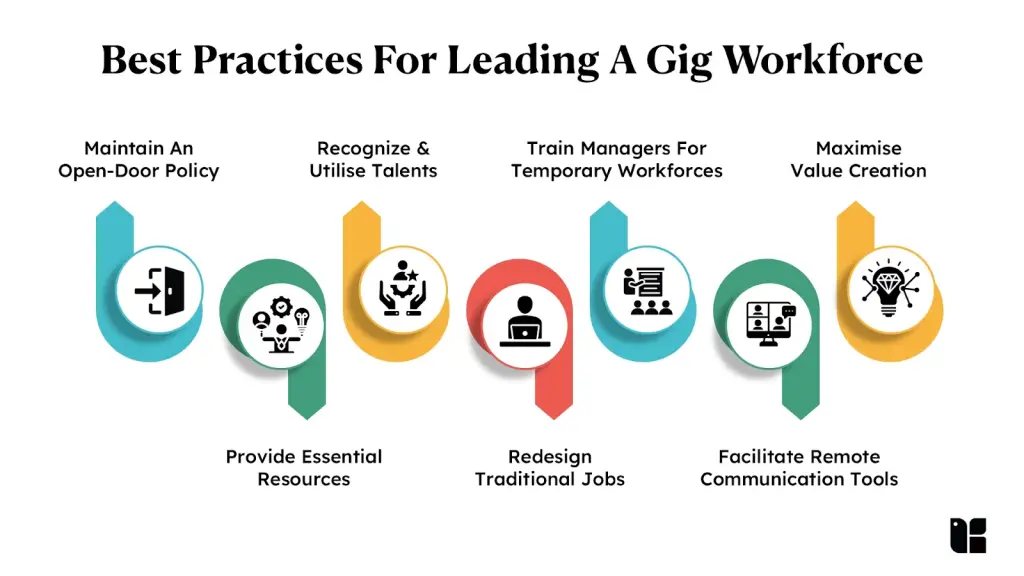
Maintain An Open-Door Policy
An open-door policy means inviting gig workers to share their insights and feedback freely. Since gig workers bring specialised skills and expertise, they often have valuable perspectives on how things should be done. You can schedule regular, informal team meetings where gig workers can share updates and chat about their work experiences. Emphasise that their opinions are valued by regularly asking for their input and listening actively. This not only develops a positive work environment but also helps exploit their expertise to enhance project outcomes.
Provide Essential Resources
Providing resources to gig workers means giving them the essential tools and information they need to complete their tasks effectively. Since gig workers are temporary, focus on providing the most critical resources rather than everything a permanent employee might get. Ensure they have access to necessary software, documentation, and a clear understanding of their tasks. Use project management tools to keep everyone updated on progress and schedule regular check-ins to discuss any issues or adjustments needed. This targeted support helps them perform well without overwhelming them with excessive resources.
Recognise And Utilise Talents
The core reason for hiring gig workers is to tap into their specific skills for a set period. Recognise this by being strategic about how you utilise their talents. Identify what they excel at and assign them tasks that align with their expertise. For instance, if a gig worker is great at digital marketing, make sure they lead or contribute significantly to marketing campaigns. Develop a recognition program that highlights top performers on a regular basis, whether through digital shout-outs, bonuses, or other incentives, to keep them motivated and ensure their talents are fully utilised during their contract.
Redesign Traditional Jobs
To balance the value between gig workers and traditional employees, consider redesigning traditional roles to offer some of the flexibility and benefits that gig workers enjoy. For instance, offer your permanent staff more project-based tasks and flexible hours, allowing them to take ownership of their work and align it with their personal interests. Providing employees with greater autonomy and a sense of purpose not only enhances their job satisfaction and ensures that all workers, regardless of their employment type, feel valued and motivated, fostering a more inclusive and dynamic work environment.
Train Managers For Temporary Workforces
Managers who are used to dealing with permanent staff need to adapt their approach for gig workers. Training should focus on understanding the unique dynamics of managing temporary employees, including the need for flexibility and different communication strategies. This training helps managers handle gig workers more effectively, ensuring they are integrated smoothly and managed according to their specific needs.
Facilitate Remote Communication Tools
Effective communication tools like Zoom, Skype, and Microsoft Teams are vital for managing gig workers remotely. Use these tools to stay in regular contact, schedule virtual meetings, and collaborate on projects. This helps maintain clear communication and keeps gig workers connected with the team, ensuring they remain engaged and informed about their tasks.
Maximise Value Creation
To truly benefit from gig workers, focus on how their work can create significant value for your organisation. Leverage their unique skills to drive innovation, enhance customer experiences, or solve specific problems. For example, if a gig worker has specialised knowledge in data analytics, use their insights to inform strategic decisions. By aligning their talents with your organisation’s goals, you maximise the return on their engagement and boost overall performance.
Implementing these best practices will not only help you integrate gig workers effectively but also enhance their contributions to your organisation.
Which Success Stories Highlight Growth In The Gig Economy?
In the gig economy, some companies have really made their mark by leading in innovative ways. These examples show how effective strategies can transform not just businesses but entire industries.
Airbnb’s Approach To The Sharing Economy
Airbnb is a standout example of leadership in the gig economy, particularly through its innovative approach to the sharing economy. By enabling individuals to rent out their homes to travellers, Airbnb created a new income stream for everyday people and disrupted the traditional hospitality industry. The company empowers hosts by providing a user-friendly platform, making it easy to list properties, manage bookings, and communicate with guests. Airbnb also offers extensive educational resources like tutorials, webinars, and community forums to help hosts enhance their listings and guest experiences. Additionally, Airbnb fosters a strong sense of community among hosts through regular meetups and online networks, encouraging them to share experiences and learn from each other. A continuous feedback loop allows for transparency and accountability, helping maintain high standards and rewarding quality service. By financially empowering hosts and emphasising support and community, Airbnb has built a loyal, motivated base of micro-entrepreneurs who are essential to its ongoing success in the gig economy.
Uber’s Approach To Driver Partnerships
Uber transformed the traditional taxi industry by shifting from an employee-based model to a contractor-based one. This change disrupted the market, especially affecting taxi medallion owners who had relied on these licences as long-term investments. Uber offers its drivers flexibility by allowing them to choose their own hours and decide when and where they want to work. The company provides a straightforward app that helps drivers find passengers, plan efficient routes, and see exactly how much they’re earning after each ride. To keep improving the experience, Uber regularly collects feedback from its drivers, ensuring the platform meets their needs. This combination of flexibility, clear communication, and ongoing improvement helps Uber maintain a strong and motivated driver base.
Upwork’s Strategy For Freelance Success
Upwork has revolutionised the freelance marketplace by creating a platform that connects businesses with a wide range of skilled professionals. The company’s approach is centred on flexibility and choice, allowing freelancers to find work that matches their skills, interests, and availability. Upwork provides a transparent system where freelancers can showcase their portfolios, receive client feedback, and compete for jobs based on merit rather than geographical limitations. The platform also supports freelancers by offering resources like skill development courses and guidelines on effective communication and project management. By facilitating direct communication between freelancers and clients and providing secure payment systems, Upwork ensures that both parties can work confidently and efficiently. This model not only empowers freelancers to manage their careers independently but also helps businesses access a diverse talent pool quickly and efficiently.
These success stories highlight how thoughtful leadership in the gig economy can drive growth and redefine industry standards.
What Does The Future Hold For Gig Economy Leadership?
If you’ve ever heard your co-workers talk about their “side hustle,” you’re likely familiar with the gig market, which has been on the rise for years. Even before the pandemic, about 40 million Americans were gig workers in 2018 and 2019. The pandemic accelerated this trend, and now, more than half of American workers are expected to be independent labourers by 2023.
Freelancers made a substantial economic impact in 2022, contributing $1.35 trillion to the U.S. GDP, a $50 billion increase from the previous year. Globally, the gig economy now accounts for roughly 12% of the labour market, generating $5.4 trillion in revenue in 2021.
This growth is largely driven by younger professionals. Gen Z and millennials represent 43% and 46% of the freelance workforce, respectively, compared to smaller percentages from older generations. Additionally, the study suggests that the gig economy is attracting a more educated crowd, with 26% of U.S. freelancers holding postgraduate degrees, up from 20% the previous year. Earnings are also impressive: 45% of Gen Z and 44% of millennial gig workers earn at least $2,500 per month from freelance work, significantly higher than their older counterparts.
This trend shows that gig work isn’t just a side job but a viable career path where individuals invest in themselves as businesses, taking control of their professional lives. For leaders, these insights emphasise the importance of adapting strategies to effectively manage and integrate a growing, dynamic, and highly skilled gig workforce into their organisations.
The gig economy is reshaping leadership expectations, and Kapable offers a way to assess whether its programmes support the skills you need.
Conclusion
As the gig economy continues to evolve and expand, its impact on leadership and business strategies becomes increasingly significant. The rise of freelancers and gig workers, along with the growing economic contributions they make, calls for leaders to adapt their approaches thoughtfully and strategically. In short, the gig economy offers a new way of working that appeals to those looking for flexibility, autonomy, and expanded job opportunities, especially in uncertain economic times. The future of work is not just about adapting to change but actively shaping it.


