


TL;DR
- The Art and Power: Storytelling is an age-old and universal skill that transcends simple communication, connecting people, stirring emotions, and serving as a powerful method for conveying meaning and uncovering deeper truths.
- Quotes as Catalysts: Storytelling quotes hold a unique influence by building personal emotional connections, simplifying complex concepts for broader understanding, and inspiring shifts in individual and sociocultural narratives.
- Shaping the Worldview: Leading voices emphasise the critical function of stories, noting their power to shape our understanding of history and identity, and recognising them as a vital weapon in a leader’s arsenal to align vision and motivate action.
- Intrinsic Human Design: The most impactful narratives fully immerse the audience in new perspectives, serving as memory aids and moral compasses while ultimately challenging listeners to think critically rather than just follow a given conclusion.
What if one line could capture the heart of an entire story? Or consider how just a few carefully selected words can convey deep emotions, rich narratives, and profound insights. In this blog, we’ll explore the powerful impact of storytelling, its historical importance, and how influential quotes highlight its significance. See how storytelling continues to captivate and connect us across time and cultures. The blog will also examine how these impactful quotes reveal the essence of great stories and their lasting power.
What Makes The Art Of Storytelling Powerful?
Storytelling isn’t just about sharing events; it’s an art that goes beyond simply giving information. It’s about crafting stories that stir emotions, convey meaning, and create connections. In communication, storytelling is important because it helps us engage with, persuade, and connect with others more deeply.
Storytelling profoundly impacts us by helping us confront fears and uncover deeper truths. It reveals insights about our world and ourselves, bridging diverse perspectives and inspiring action. Its ability to resonate deeply ensures storytelling remains a vital and enriching part of human communication. Through compelling narratives, it continues to shape our understanding and forge meaningful connections. So, what makes storytelling so powerful? It’s the way it can take people to new places, stir strong feelings, and ignite the imagination. A good story pulls listeners in, making them a part of the experience. Through lively characters, exciting plots, and vivid details, storytelling creates rich experiences that capture the audience’s attention.
Let’s explore the impact of storytelling quotes in the next section to understand how they can be beneficial.

How Do Storytelling Quotes Create Impact?
Storytelling quotes hold a unique power to influence and inspire, resonating deeply across various aspects of our lives. Here’s a closer look at how these succinct expressions make a significant impact:
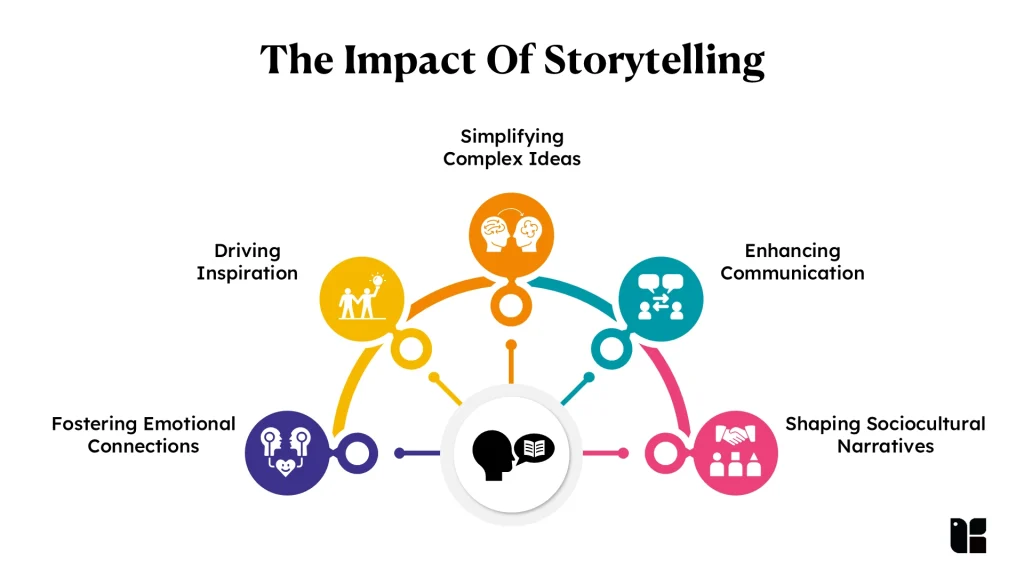
Fostering Emotional Connections
Storytelling quotes often capture deep emotions and experiences in just a few words. They can evoke strong feelings, helping readers connect personally with the message. For example, a quote about love, loss, or triumph can resonate with those who have had similar experiences, creating a shared emotional bond.
Driving Inspiration
The wisdom embedded in storytelling quotes can spark inspiration and motivate individuals to pursue their goals. These quotes often capture the essence of determination, creativity, and resilience, offering encouragement during challenging times. When someone reads a quote that aligns with their aspirations, it can provide the boost they need to keep moving forward.
Simplifying Complex Ideas
Storytelling quotes are particularly effective in breaking down complex concepts into understandable and relatable ideas. By incorporating intricate thoughts in a few words, they make it easier for people to grasp and remember important lessons or principles. This simplicity is especially valuable in educational settings, where clear communication is essential.
Shaping Sociocultural Narratives
Storytelling quotes often reflect and influence cultural and social values. They can challenge prevailing norms, inspire change, or reinforce positive behaviours. Quotes from influential figures like activists or leaders can shift public opinion and encourage societal progress by spreading messages of justice, equality, and compassion.
Enhancing Communication
In both personal and professional contexts, storytelling quotes can enhance communication by making messages more impactful. A carefully chosen quote can emphasise a key point in a speech or presentation, making the message more memorable and persuasive. This is particularly valuable in leadership, where the ability to inspire and guide others is crucial.
Having seen the impact of storytelling quotes, let’s explore some famous quotes that offer deeper insights into how they can shape and enhance narratives.
“My journey with Kapable has been truly valuable. The sessions helped me gain confidence and handle impromptu speaking and assertiveness. I successfully led high-level meetings, which I used to avoid, and received positive feedback from my director. I now feel confident and empowered.”
– Ruchika Bagga (Senior Manager At Mankind Pharma)
What Insights Can Be Gained From Famous Storytelling Quotes?
These quotes offer rich insights into the power and significance of storytelling, revealing how it shapes our world and connects us. Here’s a breakdown of how each quote illuminates the essence of great stories and their enduring impact:

“Storytelling is the most powerful way to put ideas into the world today.” – Robert McKee, Author
McKee points out that storytelling is a strong way to share complex ideas. Stories make abstract ideas easier to understand, inspire action, and encourage change by putting them into memorable and relatable contexts. The impact of this quote lies in its recognition of storytelling’s role in shaping public perception and driving progress by making ideas compelling and actionable.
“Stories constitute the single most powerful weapon in a leader’s arsenal.” – Dr. Howard Gardner, Developmental Psychologist
Gardner says that stories are crucial for leaders. They use stories to motivate and connect with others, convey their vision, and build team spirit. Good stories make goals and values clear and engaging, shaping organisational culture. This quote underscores how effective storytelling can enhance leadership by aligning and energising teams, making visions more relatable and achievable.
“The stories we tell literally make the world.” – Ken Burns, Filmmaker
Ken Burns emphasises that stories shape how we view history, culture, and identity. They help build communities, foster empathy, and influence societal values and norms. The impact of this quote is its acknowledgement of storytelling’s power to shape collective identity and influence how societies understand their own narratives.
“There is no greater agony than bearing an untold story inside you.” – Maya Angelou, Memoirist & Poet
Angelou speaks about the deep pain of not sharing one’s story. Telling stories can be a crucial way to express oneself and connect with others, offering a sense of release and contributing to the broader human experience. This quote highlights the emotional weight of unshared stories and the relief and connection that come from finally expressing them.
A memorable quote can inspire a different way of thinking, but its true value lies in how it changes the way we communicate with others. This emphasis on practical application shapes the learning experience at Kapable.
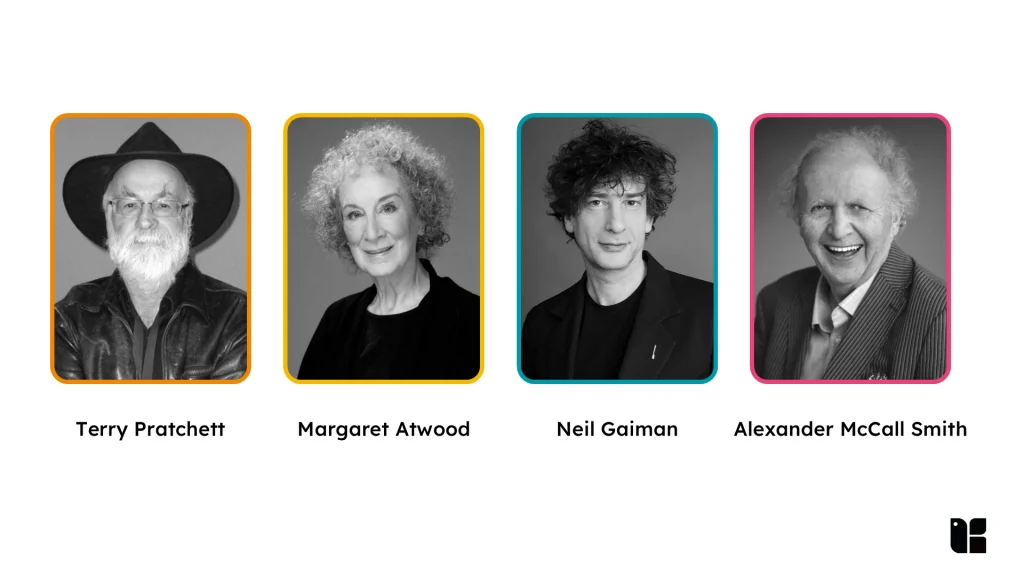
“A storyteller is not just to tell you how to think but to give you questions to think upon.” – Terry Pratchett, Author
Pratchett suggests that storytellers should encourage thinking rather than just provide answers. Good stories prompt the audience to think critically and reflect on different perspectives. The impact of this quote lies in its emphasis on storytelling as a means to provoke thought and stimulate intellectual curiosity, rather than merely conveying a message.
“We come with stories. We are born with them.” – Margaret Atwood, Novelist & Poet
Atwood reflects that storytelling is a natural part of being human. From birth, we are involved in and surrounded by stories, whether through our own experiences or cultural tales. The impact of this quote is its affirmation of storytelling as an intrinsic human trait that shapes our early development and continuous engagement with the world.
“A story that can transport people to another place and make them feel like they are living a different life is a powerful story.” – Neil Gaiman, Writer
Gaiman points out that the most powerful stories are those that fully immerse readers or listeners, allowing them to escape their reality and experience new perspectives and emotions. This quote highlights the transformative power of storytelling to provide deep emotional experiences and broaden perspectives through imaginative immersion.
“Stories are memory aids, instruction manuals, and moral compasses.” – Alexander McCall Smith, Author
McCall Smith highlights that stories help preserve cultural knowledge (memory aids), guide actions and decisions (instruction manuals), and teach values (moral compasses). They influence both personal and societal behaviour. The impact of this quote is its recognition of stories as essential tools for preserving knowledge, guiding behaviour, and imparting moral lessons throughout life.

“The purpose of a storyteller is not to tell you how to think, but to give you questions to think upon.” -Brandon Sanderson, Author
Sanderson reinforces that storytelling should inspire questions rather than give answers. By presenting questions through stories, storytellers encourage audiences to explore their own beliefs and viewpoints. The impact of this quote is its focus on storytelling as a catalyst for personal reflection and critical thinking, inviting audiences to engage more deeply with their own perspectives.
“You’re never going to kill storytelling because it’s built into the human plan. We come with it.” -Margaret Atwood, Novelist & Poet
With it, Margaret Atwood argues that storytelling is a natural part of being human. It’s a fundamental way we communicate and connect with others, and it will continue despite changes in technology and culture. The impact of this quote is its affirmation of storytelling’s resilience and essential role in human communication, transcending technological and cultural shifts.
If you want to change the world, you need to change your story. This truth applies both to individuals and institutions.” – Michael Margolis, CEO & Founder of Storied
It highlights that the stories we tell shape our reality. For individuals, changing personal narratives can lead to significant shifts in behaviour and impact. For institutions, redefining their stories can reshape their role in society. The essence is that real change starts with the stories we choose to tell.
“There’s always room for a story that can transport people to another place.”- J.K. Rowling, Author
J.K. Rowling’s quote highlights how stories can transport us to new worlds, offering more than just escape. They deepen our understanding, broaden our perspectives, and create meaningful connections. A compelling story serves as a gateway to fresh experiences and insights, making it a powerful tool for personal growth.
Conclusion
Storytelling is an age-old and universal skill that deepens our understanding of the world and ourselves. Whether through historical tales, personal experiences, or meaningful quotes, storytelling remains a key part of human connection. As we keep sharing and creating stories, we connect with what makes us human, leaving behind a legacy of meaning and inspiration for future generations.
The best quotes stay with us because they encourage reflection long after we’ve read them. Kapable offers an opportunity to build on that inspiration through practical communication development.


