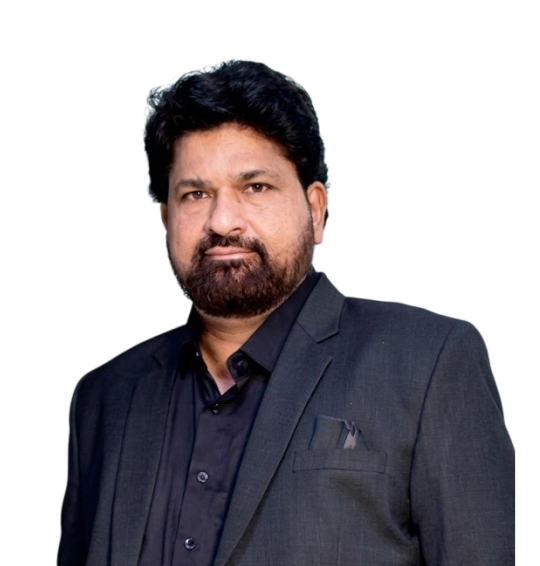
“I stopped avoiding difficult conversations and started asking questions, defending my ideas, and speaking with greater confidence.”
For nearly three decades, I have worked in the television industry, building my career across creative direction, writing, production and content. Today, as Creative Director at Sony Television, I lead a 12-member team responsible for on-air promotions. I have spent most of my career in the field, where I am comfortable directing large teams and bringing creative ideas to life. The challenge emerged when my responsibilities began moving beyond creativity into management, presentations, data, meetings and senior stakeholder conversations. As I moved from presenting to programming and marketing heads to presenting directly to business leaders and the CEO, I became increasingly conscious of how I communicated. Senior leaders often have very little time, and a script or campaign could be judged within its first few lines. I would sometimes feel stressed trying to convince them while also managing deadlines and the pressure of getting approvals quickly. For a long time, I also avoided some of these situations. I preferred being on the field rather than sitting in meeting rooms, and I had a mental block around presentations, corporate communication and management responsibilities. I compared myself with colleagues who were more fluent and comfortable in these settings and assumed that this simply wasn’t my strength. Kapable helped me challenge that assumption. I started seeing communication and leadership presence as skills that could be developed through practice and structure. As I became more comfortable presenting, I began noticing a change in my confidence. In one recent presentation, I presented 12 ideas and 10 were approved. That gave me tangible evidence that I could perform effectively in these situations. The shift also changed how I respond when things do not go as planned. Earlier, if a campaign failed to deliver, I would largely move on to the next one. Now, I look deeper into the data to understand why it failed, what worked, and where the opportunity might be. For example, when a show underperformed overall but performed strongly in a particular region, we used those insights to focus our promotional efforts there and improve the results. My role has also made me more willing to question and challenge. Earlier, I would often accept a change and move on. Today, I ask why a decision has changed, refer back to previous discussions and seek a logical explanation. I am more comfortable defending my team’s contribution and making sure our work is visible when results improve. Perhaps the biggest change has been moving from simply completing my own work to thinking more broadly about my team, other departments and the business. I now try to understand different perspectives before communicating the same message to my team, and I have become more deliberate about staying calm when situations become difficult. I am still building this skill. I see myself at around 40–50% of where I want to be, and my next goal is to keep pushing that further. I also want to eventually conduct workshops for young people in the creative field and share the experience I have built over three decades. For me, the journey is now about continuing to push my boundaries, strengthen my confidence and become a more effective leader
Continue Reading To Feel Inspired By The Transformative Journey Of Our Learners.
I became more conscious of acknowledging different perspectives, building context, and using empathy alongside expertise to create stronger stakeholder relationships...