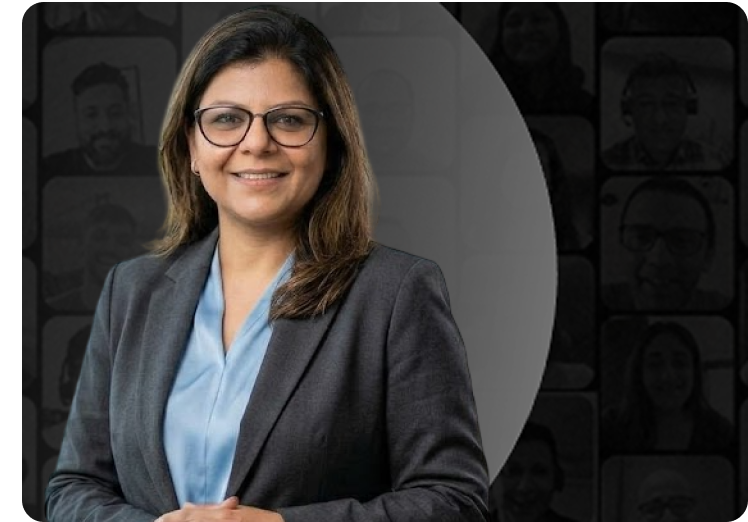
“I used to think impactful communication was an inborn skill. Kapable made me realise it can be broken down, practised, and achieved.”
I believed technical expertise was the safest way to compensate for what I lacked in communication. I work in cybersecurity as a Customer Success Manager, where I interact with both technical operators and senior decision-makers. My role requires me to explain complex ideas, demonstrate value, and influence conversations with people at very different levels. I had always been comfortable with the technical side of my work. Communication was different. I used to believe that being impactful in a meeting or on stage was an inborn skill. I admired people who could instantly connect with an audience and communicate with clarity, and because I didn’t feel I had that ability, I kept building my technical knowledge instead. That approach worked for a while but as I moved into a more senior role, I realised technical knowledge alone couldn’t take me much further. Senior stakeholders often have only 10 or 15 minutes, and they don’t need every technical detail. They need to understand the value, the context, and what matters to them. That was when I started looking at communication differently. Kapable helped me see that there was actually a structure behind effective communication. What had once seemed almost mysterious became something I could break down, practise, and improve. The biggest shift happened in my thinking. Before a conversation, I now visualise how I want it to unfold, what the other person needs to know, and how I can make my message meaningful to them. I have also become much more comfortable with pauses. Earlier, I felt the need to fill silence with more information. Now, especially in high-pressure situations, I would rather take a moment and give a precise, meaningful response. I saw this change recently while onboarding a new customer. They were already highly familiar with the technology and wanted to move quickly through the standard presentation. Earlier, I might have continued explaining everything because that was the format I had prepared. Instead, I recognised what the audience needed, skipped several slides, and moved directly to the areas they were interested in. The conversation immediately became more interactive, and they started asking more questions. That experience reinforced something important for me, communication is as much about understanding your audience as it is about delivering your message. My perspective on leadership has changed in the same way. I now pay more attention to the questions leaders ask before giving their opinions. The leaders I find most impressive are rarely the ones who speak the most. They build context, ask thoughtful questions, understand what their teams are dealing with, and then respond. I want to carry that approach into my own leadership journey. I am also continuing to work on the emotional side of communication. Journaling has become a regular practice, especially before conversations that make me nervous. I break down what I’m feeling, understand where the anxiety is coming from, and think through how I want to approach the situation. Since many of my calls are recorded, I can also revisit them and identify where I could have communicated more effectively. I know there is still a lot to practise. But the biggest difference is that communication no longer feels like an unreachable quality that some people simply possess. I have the tools now. I know what I need to work on. And that makes becoming a better communicator feel achievable.
Continue Reading To Feel Inspired By The Transformative Journey Of Our Learners.
Moving beyond technical expertise, I became more precise in meetings, more comfortable expressing my ideas, and more thoughtful about balancing empathy with accountability as a leader...
Preparing for a Managing Director role, I learned to trust myself, manage pressure, and connect my experience to the broader business context with greater confidence...
I have a more reflective approach to leadership,which helps me understand different perspectives, make broader decisions, and lead with greater empathy and awareness...
Apply Now To Our Leadership Acceleration Program
Begin your transformational journey through our customised programs with the first session!