


TL;DR
- Versatile Leader Training: The unique, low-risk environment of volunteer work acts as a dynamic testing ground for adapting leadership styles, sharpening resourceful problem-solving, and cultivating essential competencies like cultural sensitivity and crisis management.
- Specialised Skill Acquisition: Diverse volunteer roles cultivate essential competencies like resourcefulness, cultural sensitivity, crisis management, and mentorship that are highly valued by employers.
- Impactful Role Models: The careers of figures like Melinda Gates and Nelson Mandela prove that grassroots volunteerism is an incubator for core leadership qualities, including empathy, communication, and resilience.
- Strategic Career Advancement: By choosing focused volunteer types, individuals can intentionally expand professional networks, enhance their resume, and acquire key transferable job skills for career growth.
Here’s something you might not have considered in finding a way to truly stand out to get ahead as the battle for talent continues: Volunteering. It is a way which can give you a strong leg-up on the competition, whether you’re a job seeker or an employer, as highlighted by research from Deloitte. This isn’t just about giving your time and energy to work for doing good, it’s about giving yourself an edge in your career by building leadership skills that employers value. Whether you’re looking to land a new job or move up in your current one, the skills you gain through volunteering could be the extra boost that sets you apart from the crowd. Let’s explore how stepping up to volunteer can shape you into a stronger, more confident leader.
The Power Of Volunteering In Leadership Development
Volunteering is a powerful way for developing leadership skills. It helps you step outside your usual work environment and connect with people from diverse fields and stages of their careers. This expanded network can offer new insights and broaden your understanding of different perspectives.
Through volunteering, you also encounter a variety of challenges that differ from your day-to-day job. These new experiences help you sharpen your problem-solving abilities and adapt your leadership style to different situations. Since volunteering is less about financial gain and more about making an impact, it allows you to experiment and take risks without the usual pressures, making you a more versatile leader. In fact, a study revealed that people often gain, enhance, or refine their leadership skills through active volunteer involvement.
Companies are increasingly recognising the value of volunteer work in shaping strong leaders. Being active in volunteer roles not only enhances your leadership skills but also gives you a fresh perspective on team dynamics and organisational cultures. This makes volunteering a great way to grow as a leader and prepare for new challenges in your career.

How Volunteering Builds Leadership Skills
Volunteering not only lets you give back but also helps you develop unique leadership skills that traditional roles might not offer. Here’s how different volunteer experiences build specific skills:

Resourceful Problem-Solving
In volunteer roles, you often face limited resources and tight budgets. This teaches you to solve problems creatively and make the most of what you have. For example, organising a community event with minimal funds requires you to find innovative solutions, such as securing donations or drawing on free resources. This ability to think on your feet and use resources efficiently is a crucial leadership skill that helps you tackle challenges in any situation.
Cultural Sensitivity
Volunteering often involves working with people from diverse cultural and socioeconomic backgrounds. This exposure helps you develop a deep understanding of different perspectives and practices. For instance, volunteering at a refugee centre or a multicultural festival teaches you how to communicate respectfully and adapt your approach to fit various cultural contexts. This sensitivity is essential for leading diverse teams and creating an inclusive environment.
Building From The Basics
Many volunteer roles require you to support or initiate grassroots projects. This experience teaches you how to build and nurture organisations from the ground up. Whether you’re starting a local community garden or helping a small charity grow, you learn how to engage people, organise efforts, and create a sustainable impact. This skill is valuable for leading initiatives that start on a small scale and expand into larger successes.
Mentoring Skills
Volunteering often involves guiding and supporting others. If you mentor new volunteers or lead training sessions, you develop skills in teaching, motivating, and providing feedback. This experience enhances your ability to help others grow and succeed, a key component of effective leadership. Mentoring also helps you learn how to tailor your guidance to individual needs, fostering personal and professional development.
Nonprofit Management
Working in the nonprofit sector provides unique management challenges, such as fundraising and community engagement. For example, coordinating a charity event requires skills in planning, organising, and rallying support. These experiences teach you how to manage projects and teams under different constraints compared to for-profit settings. Understanding these dynamics helps you develop strategic thinking and management skills applicable to various leadership roles.
Crisis Management
Volunteering during emergencies or crises, such as natural disasters or health crises, hones your crisis management skills. For instance, coordinating relief efforts requires quick decision-making and effective communication under pressure. This experience teaches you how to remain calm, manage resources, and lead effectively in high-stress situations. These skills are essential for navigating crises and leading teams through challenging times.
Working In Unstructured Hierarchies
Volunteer roles often involve working in less formal structures compared to traditional workplaces. This allows you to experiment with different leadership styles and approaches without the constraints of rigid hierarchies. Leading a volunteer project might involve collaborating with peers on equal footing rather than managing through a strict hierarchy. This flexibility helps you develop a more adaptable and innovative leadership style.
These skills gained through volunteering create a strong leadership foundation. They prepare you with unique abilities to lead effectively in diverse environments.
Volunteer work develops leadership by creating opportunities to take initiative, solve problems, and work with diverse people. Kapable helps professionals build on these experiences with practical leadership development.
What Do Case Studies Show About Leadership Through Volunteering?
Two exemplary cases that illustrate leadership through volunteering are Melinda Gates and Nelson Mandela. Their journeys underscore how volunteer experiences can shape and enhance leadership capacities.

Melinda Gates From Volunteer To Philanthropist
Melinda Gates, co-chair of the Bill & Melinda Gates Foundation, is renowned for her influential role in global philanthropy. Her leadership journey, however, began with volunteering at the grassroots level.
Melinda Gates’s initial foray into leadership was through her volunteer work in her local community. She was actively involved in her children’s school, where she took on roles that included organising events, managing fundraising activities, and coordinating with various stakeholders. Working closely with a diverse group of community members helped Melinda develop a deep sense of empathy and a nuanced understanding of different viewpoints. This ability to relate to and understand the needs of various populations has been crucial in her global philanthropic efforts. The leadership skills Melinda honed through volunteering translated seamlessly into her philanthropic career. Her ability to communicate effectively, empathise with different communities, and strategise for impactful outcomes has been vital in addressing global challenges through the Gates Foundation.
Nelson Mandela Leadership Through Activism
Nelson Mandela, a global icon for peace and justice, initially developed his leadership skills through grassroots volunteer efforts within the anti-apartheid movement in South Africa.
Mandela was deeply involved in volunteer activities with the African National Congress (ANC) Youth League. His work included leading protests and advocating for social and political reforms. These grassroots activities required him to engage with various groups to further the cause of racial equality.
Mandela’s volunteer efforts often involved resolving conflicts within the movement and with external parties. Leading rallies and speaking at public events helped Mandela become an influential orator. These qualities were essential in sustaining his commitment to justice and equality through years of struggle and imprisonment. His skills in conflict resolution, public speaking, and resilience were integral to his success as a leader on the global stage.
These case studies show how deeply connected grassroots volunteer work and effective leadership are. Volunteering not only helps communities but also nurtures future leaders who go on to create real and lasting change in the world.
“Kapable has helped me transform my communication skills, enabling me to speak with clarity and assertiveness. I can now handle team dynamics effectively and confidently team members which is a significant improvement from where I started.”
– Shyam Sundar AM (Team Lead At TCS)
How To Get Started With Volunteering?
Enhancing your leadership skills involves more than just signing up for opportunities. Here’s are a few tips to help you start effectively and make the most of your volunteer experiences:
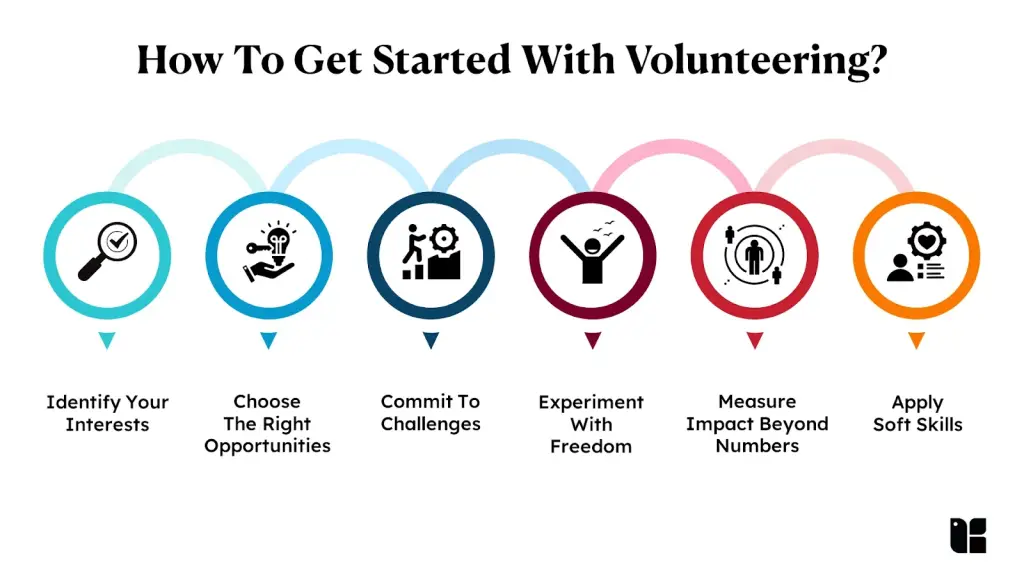
Identify Your Interests
Begin by reflecting on what genuinely excites you and where you feel your strengths lie. Choosing volunteer opportunities that align with your passions and skills will not only make the experience more enjoyable but also ensure you can contribute meaningfully. For example, if you’re interested in crisis management, look for roles with organisations that handle emergency response or support services.
Choose The Right Opportunities
Select volunteer roles that offer leadership potential. Look for positions where you can take on responsibilities such as leading a project, managing a team, or planning events. Opportunities like organising community outreach programs or leading a fundraising campaign provide valuable experience in leadership and management.
Commit To Challenges
Embrace roles that push you out of your comfort zone. Taking on new challenges, whether it’s leading a team in an unfamiliar environment or handling complex tasks, will help you develop resilience and adaptability. Approach your work with genuine dedication. Passionate involvement not only enhances your impact but also demonstrates your commitment to leadership.
Experiment With Freedom
Volunteering often allows for creative freedom and experimentation. Take advantage of this by trying out new ideas and approaches in your volunteer roles. Innovation in problem-solving and project management can help you become a more versatile leader. Incorporate creative uses of technology to enhance your volunteer projects.
Measure Impact Beyond Numbers
Focus on the depth of your engagement rather than just the numbers. Assess the meaningful changes you’ve contributed to and the growth you’ve experienced. To assess this, you could regularly ask for feedback from those you work with, or take a moment to reflect on what new skills or insights you’ve gained after each volunteer experience. This approach ensures that your volunteer efforts lead to substantial personal development and leadership enhancement.
Apply Soft Skills
Use volunteering as a chance to refine your soft skills, such as communication, empathy, and teamwork. These skills are crucial for effective leadership and can be developed by interacting with diverse groups and handling various responsibilities within the volunteer setting. Practice sharing leadership responsibilities and collaborating with team members. This experience will also enhance your ability to lead collectively and adapt to different leadership styles.
By thoughtfully approaching your volunteer experiences with these tips, you’ll not only contribute positively to your community but also develop the leadership skills that will serve you well in all aspects of your life.

How Many Types Of Volunteering Support Leadership Development?
Choosing the right type of volunteering opportunity is crucial for developing leadership skills that align with your goals and interests.

Event Volunteering
If you’re someone who thrives in high-energy environments and enjoys seeing immediate results, event volunteering might be the perfect fit. Participating in one-time events like charity runs, community festivals, or fundraising galas allows you to take on leadership roles in planning and coordinating activities. These experiences can develop your organisational and time-management skills, as well as your ability to lead under pressure.
Skills-Based Volunteering
If you have specialised skills in areas such as marketing, legal advice, IT, or business strategy, skills-based volunteering allows you to apply your expertise in a leadership capacity. By contributing your professional skills to nonprofit organisations, you can help them achieve their goals while simultaneously developing your leadership abilities in a real-world context. This type of volunteering is ideal for professionals looking to refine their leadership style and expand their influence in their field. Additionally, a significant number of respondents in a survey have found that skills-based volunteering is crucial in developing strong character traits. Engaging in this form of volunteering helps you build resilience, empathy, and problem-solving skills, making you a more effective and impactful leader.
Long-Term Volunteering
For those interested in creating a lasting impact and building deep connections, long-term volunteering is ideal. This could involve mentoring youth, working with environmental conservation programs, or supporting ongoing community projects. Long-term commitments help you develop patience, persistence, and the ability to lead through sustained effort. Opt for long-term volunteering if you want to build a comprehensive skill set that includes project management, mentorship, and strategic planning over time.
Virtual Volunteering
With the rise of remote work, virtual volunteering offers opportunities to lead projects and teams online. Whether it’s coordinating digital campaigns, managing remote teams, or providing virtual mentoring, these roles help you develop leadership skills in the digital space. Virtual volunteering allows you to learn how to show emotional intelligence in a digital setting, a crucial skill as more jobs and interactions move online in today’s increasingly remote world. Choose virtual volunteering if you want to refine your ability to lead and collaborate effectively in a virtual environment.
Crisis Volunteering
Volunteering in crisis situations, such as disaster relief, emergency response, or crisis counselling, is for those who want to develop leadership skills in high-pressure environments. These roles require quick thinking, resourcefulness, and the ability to remain calm under stress, all critical leadership traits. Choose crisis volunteering if you want to build resilience and learn how to lead effectively in unpredictable high-stakes situations.
By understanding how the different types of volunteering align with various leadership skills, you can make informed decisions that will have a targeted impact on the causes you care about.
How Does Volunteering Impact Youth?
Volunteering offers young people a great way to grow and learn in a friendly, low-pressure environment, while also making a difference in their communities. Here’s how volunteering can benefit youth:

Networking Opportunities
Volunteering offers young people the chance to build a network of contacts that can be invaluable for their future careers. By working with a diverse group of individuals, youth can connect with mentors, peers, and professionals who share their interests. These relationships can lead to job recommendations, internships, and guidance that helps them navigate their career paths. Networking through volunteering is a powerful way to establish connections that can open doors to future opportunities.
Hands-On Experience
One of the most significant benefits of volunteering is the hands-on experience it provides. Unlike theoretical learning, volunteering allows young people to engage directly with real-world challenges. Whether they are organising events, managing projects, or working with communities, this practical experience helps them develop crucial leadership skills. This direct involvement in meaningful tasks enables youth to learn by doing, which is often more impactful than classroom instruction.
Mental Health Improvement
Volunteering also has a positive effect on mental health, providing young people with a sense of purpose and fulfilment. Engaging in activities that contribute to the well-being of others helps reduce stress and anxiety, offering a constructive outlet for emotions. The sense of accomplishment from helping others and being part of a community can significantly boost self-esteem and overall mental well-being. This aspect of volunteering is especially beneficial for youth who are navigating the pressures of school, work, and social life.
Enhancing Your Résumé
A survey found that the majority (82 percent) of respondents would be more likely to choose a candidate with volunteer experience on their résumé. Volunteer experience is a significant asset on a résumé, particularly for young people entering the job market. Many employers value volunteer work because it demonstrates a candidate’s dedication, initiative, and ability to contribute to diverse environments. It sets you apart in a competitive job market by showcasing your commitment and versatility. Employers often see volunteer experience as a testament to a candidate’s leadership potential, teamwork, and problem-solving skills, all of which are highly desirable traits in the professional world.
Gaining Valuable Job Skills
Even though volunteer positions are unpaid, they often involve responsibilities that build essential job skills. From project management to teamwork and communication, volunteering helps youth acquire competencies that are directly applicable in the workplace. This experience allows them to develop a portfolio of skills that will be beneficial in their future careers. Research shows that professionals who lead volunteers can purposefully work toward developing the “leadership identity” of individual volunteers. This means that through volunteering, you not only gain practical and transferable skills but also develop a stronger sense of leadership that is highly regarded by employers.
Fostering Intergenerational Relationships
Volunteering creates opportunities for young people to interact with individuals from different age groups, fostering intergenerational relationships. These relationships allow for the exchange of knowledge, experience, and perspectives between younger and older volunteers. For youth, these interactions provide a unique learning opportunity, as they can gain insights from those who have more life experience. This collaboration also helps build a sense of community and mutual respect among different generations.
Through volunteering, youth don’t just participate in their communities, they begin to shape them. The skills and connections they gain now will be the building blocks of their future leadership roles.
How To Become A Networking Pro Through Volunteering?
Volunteering opens doors to invaluable connections and learning opportunities. To make the most of your experience and stand out, consider these practical tips:

- Seek out like-minded people: When you align with a program whose core values reflect your own, you naturally connect with others who share similar passions. This connection is important because a study highlights that a strong relationship exists between a group’s culture and an individual’s leadership identity. By engaging in volunteer programs that reflect your values, you not only find a sense of belonging but also develop a deeper understanding of your leadership style.
- Ask insightful questions: When interacting with fellow volunteers and leaders, ask questions that show your curiosity and willingness to learn. Inquire about their experiences, challenges they’ve faced, and strategies they’ve used to overcome obstacles. This not only helps you gain valuable insights but also demonstrates your commitment to personal and professional growth. You can casually start by asking questions like “How do you balance volunteering with your other commitments?“
- Learn from the leaders: Observe how experienced leaders within your organisation motivate and guide others. Take note of their communication styles, decision-making processes, and problem-solving approaches. Apply these lessons to your own interactions and leadership style. For example, you would notice that the most effective leader in volunteer groups always listens carefully before making decisions and praises team members for their contributions. Inspired, you can lead by example by adopting these practices in your own role.
- Offer value: Share your own knowledge, tips, and experiences with others. Whether it’s providing advice, offering assistance, or sharing personal anecdotes, being helpful and generous with your expertise will help you stand out and build strong professional relationships. Your proactive attitude will be noticed and appreciated, helping you stand out as a valuable team member.
- Utilise networking events: Many volunteer organisations host networking events or social gatherings. Make the most of these opportunities by preparing an elevator pitch about yourself and your interests. Be respectful of others’ time by keeping conversations concise and focused, and maintain professionalism in all interactions. Follow up with new contacts after the event to solidify your connections and show your appreciation for their time.
By actively applying these strategies, you’ll not only enhance your volunteer experience but also develop valuable networking skills that can benefit your career and personal growth.
Conclusion
Volunteering is more than just an act of kindness; it’s a strategic move that shapes you into a more effective leader. Engaging in volunteer work exposes you to diverse perspectives and challenges, pushing you to adapt and innovate in ways that traditional roles may not. This experience can enhance your ability to lead with empathy, resilience, and creativity.
Furthermore, the network you build through volunteering can offer valuable connections and opportunities that extend beyond the immediate context. By integrating these experiences into your personal and professional development, you not only contribute to meaningful causes but also position yourself as a forward-thinking leader in today’s dynamic world.
Every volunteering experience builds skills that can strengthen your professional leadership. Kapable helps you evaluate whether its learning approach supports that growth.


