

TL;DR
- Gender and Emotional Complexity: Emotional intelligence, the ability to understand and manage one’s own emotions and those of others, is often stereotyped, but studies reveal a more nuanced picture of skill variations between genders.
- Observed Skill Variations: Research suggests a complex pattern where women may exhibit higher empathy, while men often show greater self-awareness, indicating gender-specific strengths rather than a simple emotional difference.
- Rooted in Societal Conditioning: The most accepted explanation for these differences lies in cultural conditioning and traditional gender stereotypes, which influence emotional expression more significantly than inconclusive biological factors.
- Blueprint for Universal Growth: Overcoming stereotypes requires focusing on individual development, valuing diverse communication, and applying specific, actionable strategies for each of the five core EI skills to build an inclusive environment.
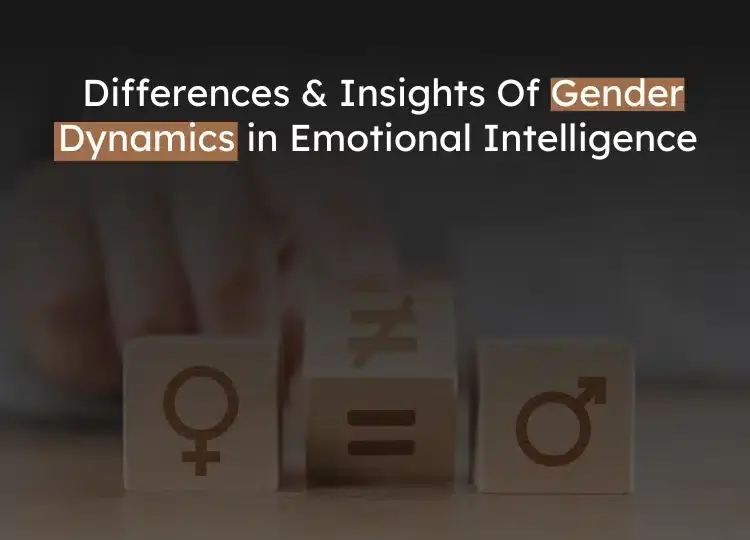
A common misconception suggests women are naturally more emotional than men. This idea might have stemmed from older research or societal stereotypes. But being emotional is not the same as being emotionally intelligent. Recent studies exploring emotional intelligence paint a more complex picture. A study, for instance, found women tended to score higher in empathy, the ability to understand and share the feelings of others. But here’s the twist: the same study showed men might score higher in self-awareness of their own emotions! This sparks a crucial question: Is the stereotype true? Or is this a misleading oversimplification?
Let’s understand the concept of emotional intelligence and the potential influence of gender on it. We’ll explore the roots of this debate, challenge stereotypes, and ultimately show you how to develop your own emotional intelligence, regardless of gender. Let’s start with establishing a strong foundation of Emotional Intelligence.
What Is Emotional Intelligence?
Emotional Intelligence is the ability to understand and manage your own emotions, as well as recognise and respond to the emotions of others. It’s about being aware of your own emotional state and the impact it has on your thoughts, behaviours, and relationships. It’s also about using this awareness to effectively regulate emotions and build strong, positive connections with others. Emotional intelligence is a concept that has multiple aptitudes, which are as follows:
- Self-awareness: This is the ability to recognise your emotions and understand how they impact you and your behaviour. Imagine being able to identify that rising feeling of frustration before it boils over in a meeting.
- Self-regulation: This is the art of managing your emotions effectively. Feeling overwhelmed by a deadline? Self-regulation helps you develop healthy coping mechanisms to stay calm and focused.
- Social awareness: This skill involves picking up on the emotions of others. Are your colleagues feeling stressed? Social skills allow you to recognise nonverbal cues and empathise with their feelings.
- Relationship management: Building and maintaining healthy relationships is all about effective communication and emotional intelligence. This skill set allows you to actively listen, show empathy, and navigate conflict constructively.
- Motivation: Our emotions are powerful motivators. Understanding how your emotions fuel your drive can help you achieve your goals.
Now, let’s answer the question that sparked this discussion: Does the concept of gender play a significant role in how we develop and utilise these emotional skills?

How Does The Gender Debate Look?
The concept of gender and emotional intelligence has ignited a longstanding debate. Traditional societal expectations paint a picture of women being more “in touch” with their emotions, while men are stereotyped as suppressing theirs. This translates into the idea that men and women might naturally gravitate towards different aspects of Emotional Intelligence.
Let’s look at the arguments on both sides:
- The “Women are More Empathetic” Argument: Some research suggests women score higher in empathy, the ability to understand and share the feelings of others. One possible explanation for this phenomenon lies in societal expectations and gender roles. From a young age, girls learn to be nurturing and empathetic, traits that are traditionally associated with femininity. These social expectations can shape behaviours and attitudes, fostering greater emotional awareness and responsiveness in women.
- The “Men are More Self-Aware” Argument: Conversely, some studies show men might score higher in self-awareness of their own emotions. Interestingly, societal norms and expectations of masculinity may influence how men express and perceive emotions. From a young age, boys are often socialised to suppress emotional vulnerability and prioritise stoicism and self-reliance. This societal pressure to conform to traditional masculine norms can discourage open emotional expression and introspection among men.
Understanding the roots of these gender stereotypes is crucial. Let’s explore them further.
Gender may influence how emotions are expressed or perceived, but emotionally intelligent leadership is built through continuous reflection and practice. Kapable focuses on developing these behaviours in real workplace settings.
From Where Did The Roots Of The Debate On EI Originate?
The debate surrounding gender and emotional intelligence comes from two key areas: biological differences and cultural conditioning.
Biological Differences
Some argue that there might be subtle biological differences in brain structure or hormonal activity between men and women. These differences could potentially influence how emotions are processed and expressed. However, research in this area is ongoing and far from conclusive. The relationship between biology and emotional intelligence is complex and influenced by numerous factors beyond sex differences and brain structure, including genetics, environment, and individual experiences.
Cultural Conditioning
A more widely accepted explanation focuses on the powerful influence of social norms and expectations. From a young age, girls are often encouraged to be emotionally expressive and empathetic, while boys might be socialised differently to suppress their emotions and prioritise logic. Over time, these cultural norms become internalised, influencing not only how individuals perceive their own emotions but also how they interpret and respond to the other’s emotions. This socialisation process can lead to observable differences in emotional intelligence between men and women, as measured by various emotional intelligence metrics.
What Are The Reasons Behind Gender Differences In EI?
There are many reasons why the debate on gender and emotional intelligence persists. By understanding these factors, we can try to get a better outlook on the discussion.

Traditional Stereotypes
Historically, women have been seen as the more “emotional” gender, expected to be nurturing and expressive. Men, on the other hand, have been conditioned to suppress emotions and prioritise logic. This translates into the idea that men and women naturally tend towards different aspects of emotional intelligence.
Different Communication Styles
Men and women might express emotions differently. Women might be more comfortable expressing emotions verbally, while men might express them more indirectly through actions. This can lead to misinterpretations and the perception that one gender is more “in touch” with their emotions.
Focus On Averages, Not Individual Differences
Research on gender and EI often looks at group averages, which can mask the vast individual differences within each gender group. Let’s move beyond these stereotypes and apply emotional intelligence for everyone.
How Do Traditional Stereotypes Affect EI Perception?
The goal of this discussion isn’t to hold up to stereotypes, but rather to acknowledge their existence and move beyond them. Understanding the complexities of gender and emotional intelligence is crucial for creating a work environment that values and fosters the development of EQ in all its forms. Let’s cast aside the stereotypes and shift our focus to building emotional intelligence for everyone.

Focus On Individual Development
When it comes to emotional intelligence, it’s crucial to nurture each person’s unique strengths, regardless of whether they are male or female. EQ is about understanding and managing emotions, empathising with others, and navigating social situations effectively. By focusing on individual development, organisations can help employees enhance their EQ skills in ways that suit their personalities and strengths. This approach not only fosters personal growth but also boosts overall team dynamics and workplace satisfaction.
Embrace Diverse Communication Styles
Men and women often have different ways of expressing emotions and communicating. For instance, some may be more direct in expressing feelings, while others may use subtler cues or non-verbal gestures. It’s essential to recognise and appreciate these diverse communication styles rather than expecting everyone to communicate in the same way. Effective communication involves understanding these differences and adapting our approach to ensure clear and respectful interactions. By embracing these diverse styles, organisations can create a more inclusive and harmonious work environment where everyone feels understood and valued.
Create Opportunities For Growth
To strengthen emotional intelligence across the board, organisations should invest in training programs and workshops that focus on EQ development for all employees. These initiatives can include sessions on self-awareness, empathy building, conflict resolution, and interpersonal skills. By providing such opportunities, organisations not only equip their employees with essential EQ skills but also demonstrate a commitment to personal and professional growth. This investment pays off in improved teamwork, effective leadership capabilities, and a more supportive workplace culture overall.
By creating a culture that values diverse expressions of emotional intelligence, we can build a more successful and collaborative work environment for everyone. We shall also learn practical strategies and techniques that can help you develop each core component of EI, regardless of your gender.
Which Strategies Help Build Emotional Intelligence?
Here are some specific and actionable tips for building emotional intelligence:

Self-Awareness
Here are some ways to identify and label your emotions to understand them better:
- Emotional identification: Practise naming your emotions as they arise. Don’t just feel “bad” – identify if it’s frustration, disappointment, or anger. Label your emotions to understand them better.
- Emotional triggers: Pay attention to situations or people who consistently trigger strong emotions in you. Once identified, explore the “why” behind these triggers. Is it a fear of public speaking? A past experience with a similar personality? Understanding the root cause can help you manage your response.
- Body scan: Take a few minutes each day to do a body scan. Close your eyes and focus on different parts of your body, noticing any physical sensations that might be linked to your emotions. A clenched jaw could indicate stress, while a relaxed posture might signal calmness.
Social Awareness
Practice seeing situations from others’ perspectives to build empathy and connection:
- Perspective-taking: Try to see things from another person’s perspective. Imagine a situation from their point of view and consider how they might be feeling. This fosters empathy and understanding.
- Active listening with all senses: When someone is talking, truly listen. Pay attention to their words, tone of voice, and body language. Put away distractions and show genuine interest in what they’re saying.
- Mirroring and matching: Subtly mirroring someone’s body language or speech patterns can build rapport and create a sense of connection. However, be mindful not to overdo it, as it can appear insincere.
Self-Regulation
Here are some ways to reframe situations positively to control and regulate emotions:
- Challenge negative self-talk: Notice your inner critic and those negative emotions that pop up. Challenge them with more realistic and empowering self-talk. For example, instead of “I’m going to mess this up,” try “I’m prepared, and I’ll do my best.”
- Cognitive reframing: Reframe negative situations into more positive or neutral perspectives. This can help you manage your emotional response and stay calm under pressure.
- Take a time-out: If you feel overwhelmed by emotions, excuse yourself from the situation and take a few minutes to cool down. Use relaxation techniques like deep breathing or mindfulness exercises to regain control.
Relationship Management
You need to validate others’ emotions and learn to find common ground to build social relationships:
- Validate others’ emotions: Acknowledge and validate how others are feeling. Let them know their emotions are heard and understood. For example, “It sounds like you’re feeling frustrated right now.”
- “I” statements: Use “I” statements to communicate your feelings in a non-blaming way. For example, “I feel hurt when you…” This fosters better communication and avoids putting the other person on the defensive.
- Conflict resolution: Develop healthy conflict resolution skills. Focus on finding solutions that work for everyone involved, and avoid resorting to personal attacks or blame.
Motivation
Set clear goals and visualise success to stay motivated and focused:
- Set SMART goals: Set Specific, Measurable, Achievable, Relevant, and Time-bound goals. Clear goals provide a sense of direction and fuel motivation.
- Visualise success: Take a few minutes each day to visualise yourself achieving your goals. Imagine the feeling of accomplishment and how it motivates you to take action.
- Reward yourself: Celebrate your achievements, big or small. Rewarding yourself keeps you motivated and reinforces positive behaviour.
By incorporating these more specific strategies, you’ll be well on your way to developing a powerful emotional intelligence toolkit that benefits you in all aspects of life.
“As I advanced to working with C-suite leaders, I often felt nervous and struggled to structure my thoughts. Kapable’s hands-on approach, with practical exercises and personalised techniques, helped me build clarity and balance assertiveness with empathy. I can now confidently influence and engage leaders and teams, and both my growth and confidence are clear to those around me.”
– Marwa Mahgoub (Senior HR Business Partner At Al Tayar Insignia)
Conclusion
Emotional intelligence is a powerful skill set that benefits everyone, regardless of gender. By understanding the complexities surrounding gender and EQ, we can move beyond stereotypes and create a more inclusive and emotionally intelligent work environment. Remember, the journey of developing EQ is a lifelong process. Embrace the opportunity for continuous learning and growth, and watch your personal and professional life flourish. Take the first step today, explore the resources listed above, identify your strengths and areas for improvement, and embark on your own EQ journey. The rewards of stronger relationships, improved communication, and greater success await!
Conversations about gender and emotional intelligence ultimately point to the same opportunity: becoming a more self-aware and effective leader. Discover whether Kapable is the right fit for your professional growth.


