


TL;DR
- Core Value in All Spheres: Presentation proficiency is essential for career advancement, academic success, and enriching personal and social interactions both online and off.
- Strategic Foundation (5Ps): Effective presentation creation begins with defining a clear, audience-centric purpose, aligning it with SMART goals, and meticulously planning the content flow through techniques like storyboarding.
- Mastery Through Rehearsal: Adequate preparation involves gathering accurate data and analysing the audience to tailor content, followed by dedicated practice using rules like the 10-20-30 Rule to refine delivery and build confidence.
- Impactful Delivery: The final presentation stage requires confident execution, using strong openings and the Rule of Three to structure points, ensuring smooth transitions and engaging the audience effectively.
In the hustle and bustle of our professional and personal lives, there comes a moment when we are required to stand before an audience, be it colleagues, clients, or even a classroom, and deliver a presentation. The tension, the racing heartbeat – a scenario many are familiar with. But have you ever stopped wondering about the profound impact of mastering the art of presentation on your self-development and professional success? In this blog, we unravel the significance of the presentation skills, exploring how they serve as a cornerstone in personal and career growth. Join us on a journey that unveils the power of effective presentations.
“Kapable has helped me transform my communication skills, enabling me to speak with clarity and assertiveness. I can now handle team dynamics effectively and confidently team members which is a significant improvement from where I started.”
– Shyam Sundar AM (Team Lead At TCS)
Why Presentation Skills Are Important?
Let’s explore the most important reasons why you need to master presentation skills. These reasons shape successful careers and contribute to enriched personal interactions, fostering a well-rounded and impactful life journey.
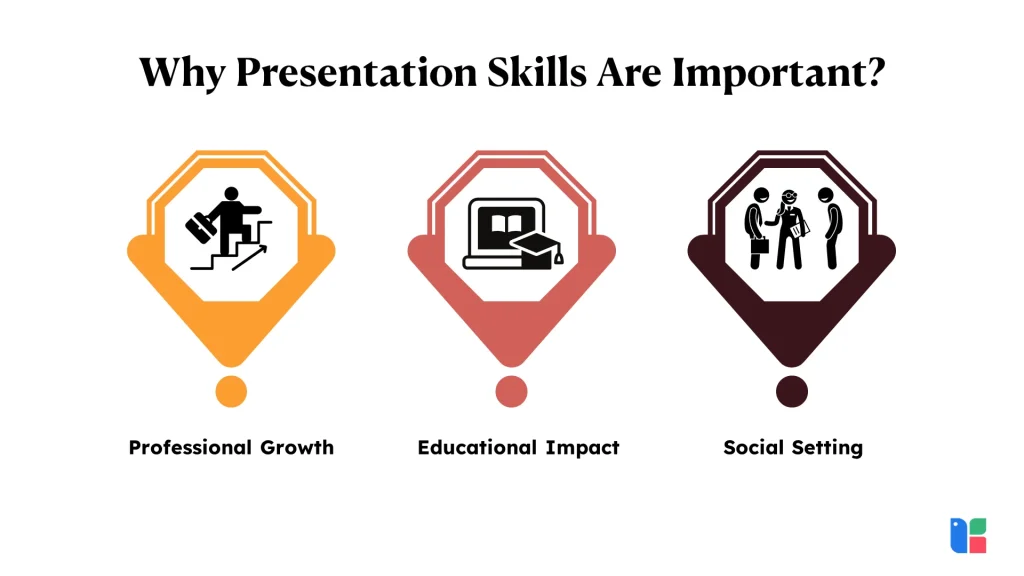
Professional Growth
Presentation skills play a crucial role in your professional development journey. Picture a scenario where you are presenting a project, your ability to express ideas clearly and confidently is essential. Effective presentation skills are not just for grand presentations; they are key even in daily work situations, such as leading meetings or pitching ideas.
Let’s break it down – it’s not just about impressive slides; it’s about conveying information in a way that connects with your audience. A well-executed presentation showcases your understanding of the subject and keeps your audience engaged. This skill isn’t just about personal growth; it contributes to your team’s and organisation’s progress.
As you will progress in your career, leadership will become integral. Leadership is not merely about authority; it involves inspiring and influencing others. Presentation skills become a valuable tool for effective leadership – a way to communicate that transcends hierarchical levels and transforms vision into action.
Effective communication is essential in today’s dynamic work environment. Your presentation proficiency isn’t just a bonus; it’s a necessary guide through the challenges of professional life. As we delve into the importance of presentation skills, consider not only career advancement but also a well-rounded development that enhances both your professional and personal life.
Educational Impact
Now, let’s shift our focus to the educational sphere. Presentation skills are not confined to the boardroom; they are vital in academic and learning environments. Think about the last time you had to give a class presentation or defend a thesis. The ability to present your ideas coherently not only affects your academic performance but also shapes the way your peers and professors perceive your proficiency.
In educational settings, effective presentation skills go beyond scoring well on assignments. They are a testament to your understanding of the subject matter, ability to articulate complex concepts, and ability to engage an audience. Whether you are a student presenting research findings or an educator conveying information to a class, presentation skills can contribute significantly to the learning experience.
Moreover, the impact of the presentation skills extends beyond the classroom. As you enter the professional world, the ability to communicate ideas persuasively becomes increasingly valuable. If you have strong presentation skills, you are better positioned to navigate interviews, collaborate on group projects, and articulate your thoughts in various professional scenarios.
As we unravel the educational impact of presentation skills, it becomes evident that these skills are not just academic tools; they are life skills that empower individuals to convey information effectively, fostering a culture of continuous learning and knowledge sharing.
Social Setting
Presentation skills are essential for professional growth and educational impact, but they also hold significant importance in social settings. Picture yourself at a gathering with friends or family, sharing stories or expressing your opinions. Your ability to communicate clearly and engagingly can greatly influence how you connect with others and leave a positive impression.
Effective presentation skills in social settings aren’t about delivering formal speeches; they’re about expressing yourself in a way that resonates with your audience. Whether you’re recounting a personal experience, participating in group discussions, or simply chatting with acquaintances, how you communicate can impact the dynamics of the interaction and strengthen your relationships.
Consider a scenario where you’re attending a wedding or a social event. Delivering a heartfelt toast or engaging fellow guests in conversation demonstrates your ability to connect emotionally and socially. It’s not just about being articulate; it’s about making others feel heard and valued, fostering a sense of camaraderie and connection.
Moreover, in today’s digital age, social interactions often extend to online platforms and social media. Your ability to present yourself effectively through written communication, videos, or online conversations can help you shape how others perceive you and your online persona. Whether crafting engaging posts, participating in online discussions, or conveying your thoughts through multimedia content, strong presentation skills enhance your ability to connect with a broader audience and build meaningful online relationships.
Presentation skills are not limited to professional or academic environments; they are equally vital in social settings. By honing these skills, individuals can express themselves confidently, connect with others more effectively, and cultivate richer social experiences offline and online. Just as presentation skills and public speaking contribute to professional growth and educational success, they also play a pivotal role in fostering meaningful connections and enriching social interactions.
The importance of presentation skills extends far beyond formal presentations, influencing meetings, discussions, and everyday workplace interactions. Learn how Kapable develops these practical communication skills.
How To Improve Your Presentation Skills?
The 5Ps of Presentation Skills provide a structured framework to guide individuals in crafting presentations and how to deliver them compellingly. Each “P” represents a key aspect that contributes to the overall effectiveness of your presentation.
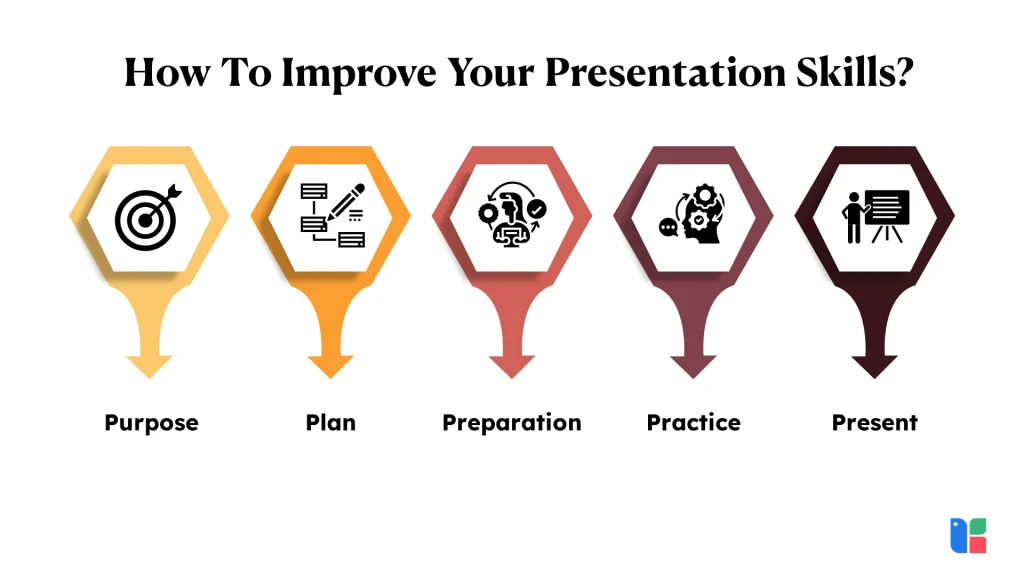
Purpose
Establishing a clear Purpose is the foundational step in creating an impactful presentation. Your purpose serves as the North Star, guiding every aspect of your content creation. Begin by asking yourself: What is the primary message you want to convey, and what specific action or understanding do you aim to evoke in your audience?
SMART Goals (Specific, Measurable, Achievable, Relevant, Time-Bound):
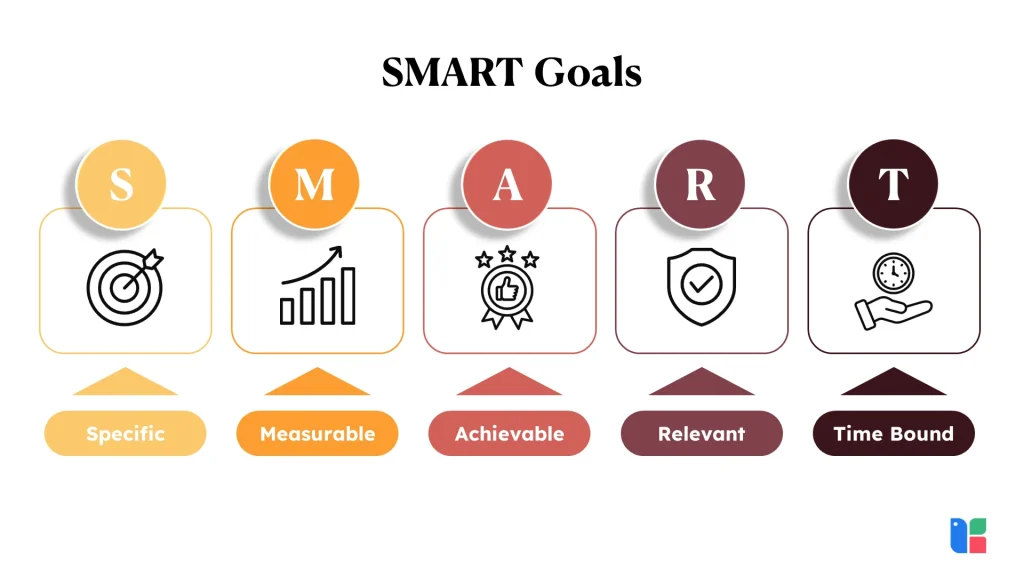
Align your purpose with SMART goals to give your presentation a structured and strategic focus. This framework ensures that your objectives are Specific, Measurable, Achievable, Relevant, and Time-Bound. For instance, if your purpose is to inform your team about a new project, a SMART goal might be to communicate the project’s goals, key milestones, and the team’s role within the next 20 minutes.
Defining your purpose not only sharpens your focus but also sets the tone for the entire presentation. It acts as a compass, guiding your content creation process, helping you filter information, and ensuring that every element of your presentation serves a specific and intentional role.
Consider the audience’s perspective as you define your purpose. What value does your presentation bring to them? How does it address their needs or challenges? Integrating audience-centric elements into your purpose creates an effective presentation that resonates and engages, fostering a connection between your message and the audience’s interests.
Plan
Once you’ve clarified your Purpose, the next step is to meticulously Plan your presentation. This phase involves outlining key points, structuring your content logically, and determining the optimal flow of information. The goal is to create a roadmap that aligns with your purpose and resonates effectively with your audience.
Begin by identifying the key messages you want to convey and organising them coherently. Consider your audience’s needs, expectations, and background during this planning phase. A well-thought-out plan ensures that your presentation unfolds seamlessly, capturing and maintaining your audience’s attention.
Storyboarding:
Visualise your presentation through a storyboard. Break down your content into slides or sections, ensuring a logical progression. This technique helps you map out the narrative flow, ensuring each point transitions smoothly to the next. By sketching the visual and content elements, you gain a comprehensive overview of how your presentation will unfold, allowing for adjustments before diving into the creation phase.
Preparation
With a well-crafted plan, the next crucial step is thorough Preparation. This involves collecting the necessary information, creating visuals, and ensuring that your content aligns seamlessly with your purpose and plan. Adequate preparation enhances your confidence and equips you to anticipate and address potential challenges during the presentation.
Start by gathering all relevant data, statistics, and supporting materials. This ensures that your content is not only accurate but also comprehensive. Visual aids, such as slides or multimedia elements, should reinforce key points and enhance audience understanding.
Audience Analysis:
Delve into understanding your audience. Analyse their demographics, interests, and knowledge level. This preparatory technique allows you to tailor your content to resonate with your audience, ensuring that your presentation is informative and relatable. The better you understand your audience, the more effectively you can address their needs and capture their interest. This proactive approach sets the stage for a good presentation that is well-prepared and highly impactful.
Practice
After you have prepared your content, the next essential step is practice. Rehearsals familiarise you with the material and allow you to refine your delivery, pacing, and overall presentation style. Effective practice ensures that you are confident and able to connect with your audience seamlessly.
Devote time to rehearse your presentation multiple times. Pay attention to your tone, body language, and gestures. Practice in front of a mirror, record yourself or seek feedback from a colleague to identify areas for improvement. The more you practise, the more comfortable and natural you become, enhancing your ability to engage your audience.
The 10-20-30 Rule:
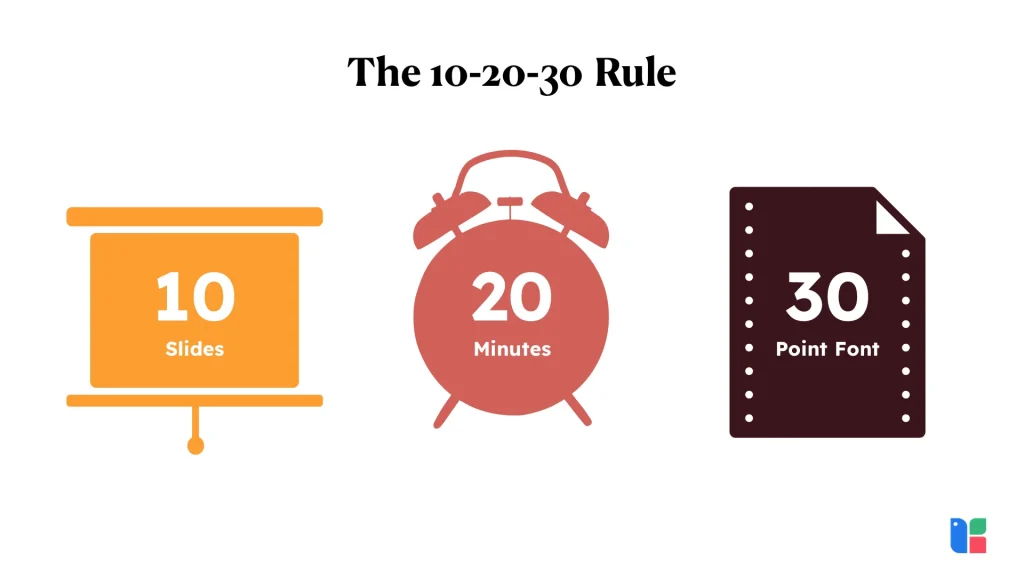
Coined by Guy Kawasaki, this rule suggests that a presentation should have no more than 10 slides, last no longer than 20 minutes, and use a font size of at least 30 points. This framework encourages brevity and clarity, ensuring that your practice sessions are focused and aligned with keeping your audience engaged. The 10-20-30 Rule serves as a practical guide, emphasising the importance of concise and impactful presentations during your rehearsal process.
Present
The culminating moment has arrived – it’s time to Present. This is where all your purpose-driven planning, meticulous preparation, and dedicated practice converge into a live interaction with your audience. To deliver a compelling presentation, maintain eye contact with the audience, employ confident body language, and speak with enthusiasm.
Start your presentation with a strong opening to capture attention and clearly articulate your purpose. As you progress through your content, ensure a smooth transition between key points. Adapt to your audience’s reactions, engage them through questions or interactive elements, and always be mindful of pacing to maintain interest.
The Rule of Three:
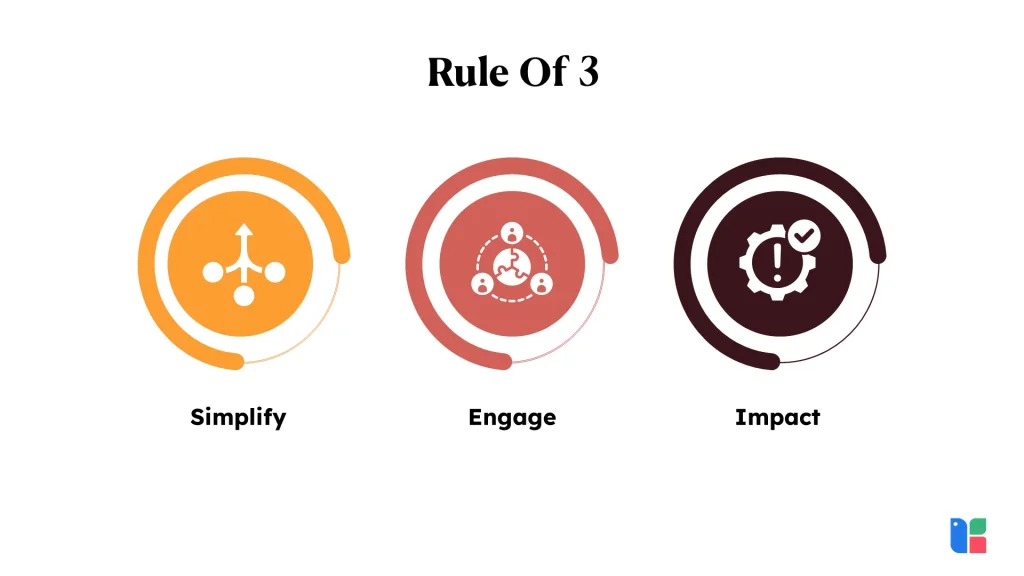
Structure your content around the Rule of Three. Whether it’s points, examples, or concepts, grouping information in sets of three enhances retention and engagement. For instance, you might present three main strategies, share three success stories, or highlight three key takeaways. This technique helps your audience digest information more easily, making your presentation more memorable and impactful. Remember, simplicity can be a powerful tool in capturing and maintaining audience attention during the presentation phase.

Conclusion
So, why do presentation skills matter? Well, they’re like your secret weapon for great communication. Starting with a clear plan, getting everything ready, and practising makes sure you’re ready to shine when it’s time to present.
From sharing ideas at work to speaking in class or just chatting with friends, good presentation skills will help you connect with others. They make your messages clear, your goals heard, and even inspire those around you. Think of it as your key to success – a simple yet powerful tool that boosts your confidence and makes a positive impact in all parts of your life. So here’s to you shining in your next presentation.
Every career benefits from stronger presentation skills, but every professional learns differently. Kapable helps you evaluate whether its approach fits your needs.


